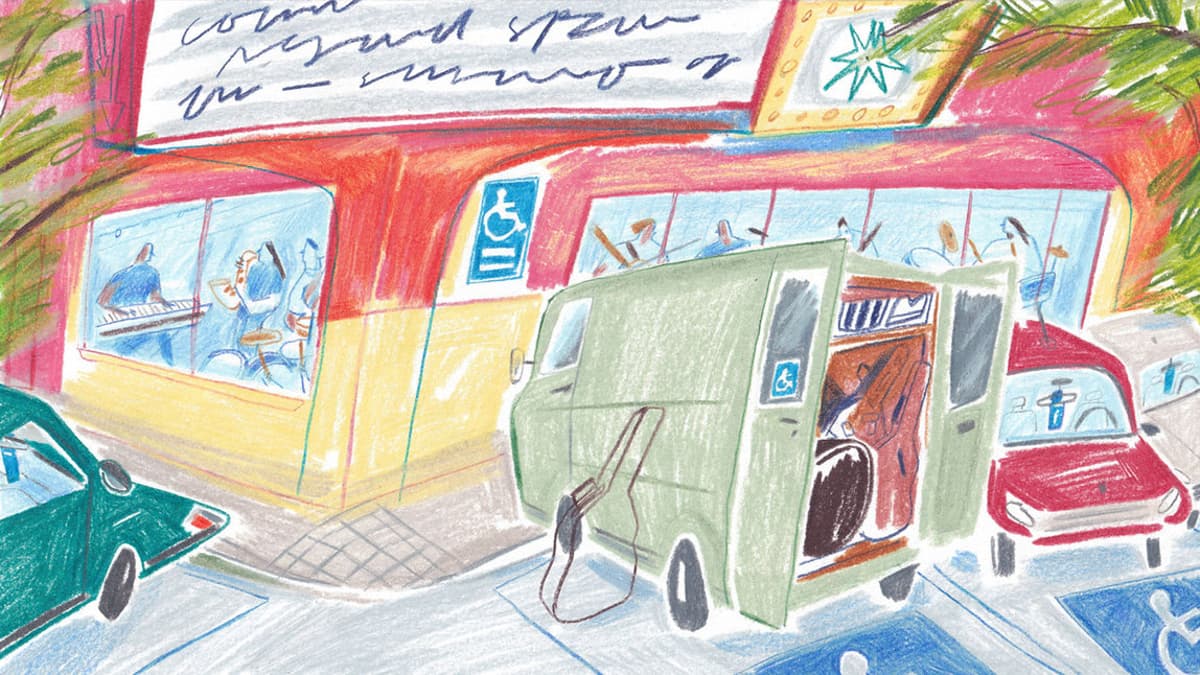
How Artists With Disabilities Are Blazing New Musical Frontiers
Why It Matters
Inclusive music initiatives unlock untapped creative talent, expanding the industry’s artistic palette and opening new market segments while advancing social equity in the arts.
Key Takeaways
- •Tutti Arts' inclusive model pairs artists with custom‑made instruments
- •Station 17 shows decades‑long success for disability‑focused bands
- •Semi‑Modulars give blind students hands‑on synth training
- •Māpura Studios built a 12‑year archive of inclusive recordings
- •Inclusive collectives attract mainstream collaborators, expanding market reach
Pulse Analysis
The rise of disability‑affirming music collectives reflects a broader cultural shift toward inclusive creativity. Organizations like Tutti Arts in Brighton, Australia, and Barner 16 in Hamburg provide professional‑grade studios, staff musicians, and co‑created instruments that translate individual strengths—whether foot‑based percussion or wand‑shaped controllers—into sound. By embedding accessibility into the core of songwriting and production, these groups are not merely therapeutic outlets; they are incubators for original genres that blend experimental pop, analog synth‑wave, and avant‑garde improvisation, drawing listeners beyond traditional niche audiences.
From an economic perspective, inclusive ensembles are proving commercially viable. Station 17’s multi‑decade discography, collaborations with icons like Michael Rother, and recent releases on French label Sonic Protest illustrate that mainstream artists see value in partnering with disability‑focused bands. Custom instrument design, driven by makers such as Mat Morison, creates proprietary hardware that can be licensed or replicated, opening new revenue streams for tech startups. Moreover, the presence of these groups in festivals and streaming platforms expands audience demographics, attracting fans seeking authentic, socially conscious content and providing sponsors with compelling ESG narratives.
Looking ahead, policy makers and arts funders are likely to increase support for inclusive music programs as evidence mounts of their social and economic returns. Advances in adaptive technology—gesture‑based controllers, AI‑assisted composition tools, and low‑cost modular synths—will lower barriers for artists with diverse abilities. As more institutions adopt the strength‑based model championed by Tutti Arts and Māpura Studios, the industry can expect a surge of fresh talent, novel sonic textures, and a redefinition of what constitutes mainstream music. This momentum positions inclusive music not just as a niche movement, but as a catalyst for long‑term innovation across the global entertainment ecosystem.
How Artists With Disabilities Are Blazing New Musical Frontiers
Comments
Want to join the conversation?
Loading comments...