How Canadian Rock Duo Angine De Poitrine Play with Neurobiology and Physics to Make Viral Music
Companies Mentioned
Why It Matters
The band demonstrates that breaking conventional tonal structures can generate massive digital engagement, signaling new opportunities for musicians and tech‑driven music platforms. It also underscores the commercial potential of neuro‑aesthetic research in entertainment.
Key Takeaways
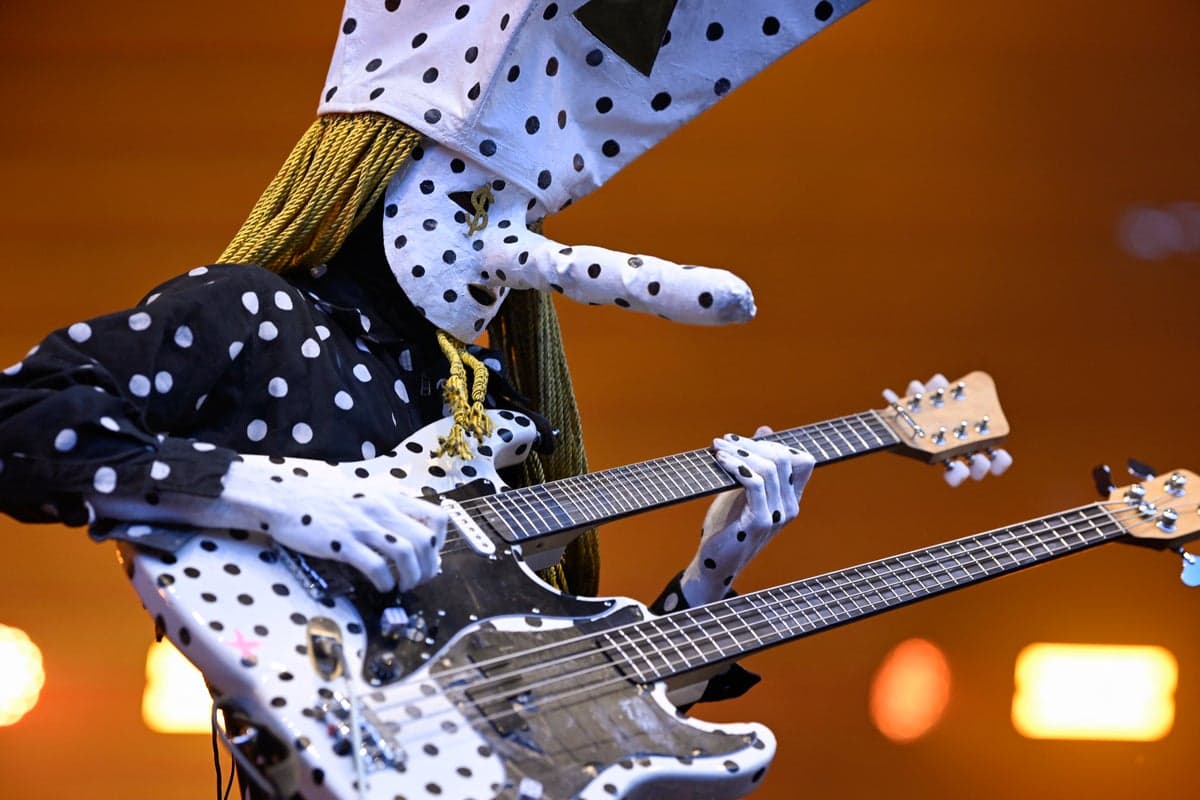
- •Custom guitar adds microtonal frets for in‑between notes
- •Brain’s pleasure centers fire on unexpected musical shifts
- •Virality driven by blend of familiar repetition and alien intervals
- •Neuro‑aesthetic insights open revenue streams for experimental artists
Pulse Analysis
The Angine de Poitrine phenomenon illustrates how scientific principles can be weaponized for cultural impact. By engineering a guitar that inserts extra frets, the duo creates micro‑tonal pitches that sit between the standard twelve semitones used in Western pop. This physical alteration reshapes harmonic overtones, producing sounds that feel both novel and oddly satisfying. The approach mirrors Indian classical music’s 22‑note divisions, yet it is packaged within a rock aesthetic that appeals to a global YouTube audience hungry for fresh auditory experiences.
Neuroscience adds another layer to the story. Cognitive researcher Robert Zatorre notes that the infant brain learns musical regularities early, forming expectations that later drive pleasure. Studies show the brain’s reward circuitry spikes when a familiar pattern is subtly broken. Angine de Poitrine exploits this by layering repetitive riffs with occasional, deliberately dissonant intervals. Listeners experience a “sweet spot” of complexity—enough predictability to stay engaged, but enough surprise to trigger dopamine‑driven excitement. This neuro‑aesthetic formula explains why a niche experimental act can eclipse mainstream charts in a matter of weeks.
For the music industry, the duo’s success signals a shift toward data‑informed creativity. Labels and streaming platforms are increasingly mining neuro‑psychological research to predict hits, and artists are experimenting with custom instruments to differentiate themselves. As algorithms prioritize engagement metrics, acts that blend scientific novelty with accessible hooks could dominate future playlists. Angine de Poitrine’s viral ascent therefore serves as a case study: physics‑driven instrument design, coupled with an understanding of brain reward pathways, can translate into massive audience growth and new monetization models.
How Canadian rock duo Angine de Poitrine play with neurobiology and physics to make viral music
Comments
Want to join the conversation?
Loading comments...