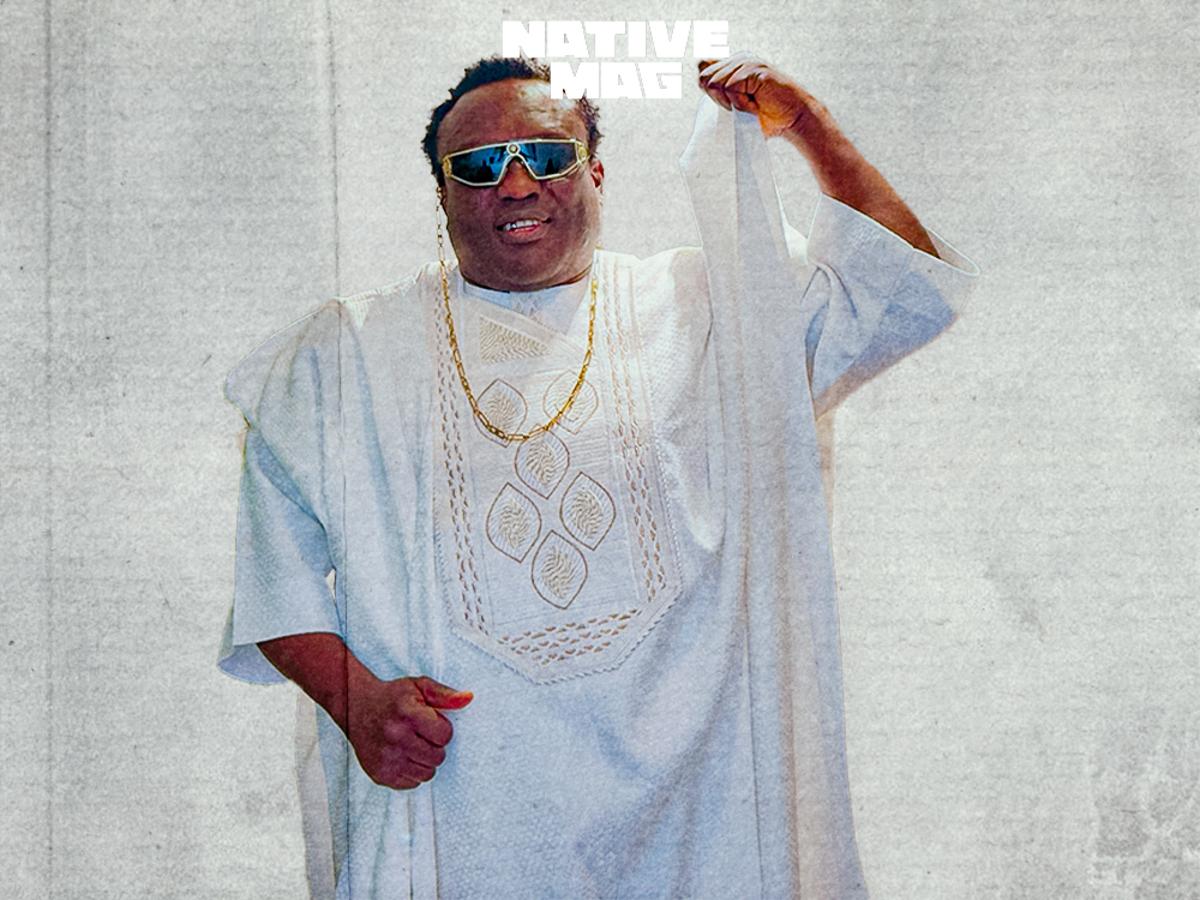
How King Saheed Osupa Became A Timeless Pop Culture Icon
Key Takeaways
- •Hosted Olubadan Appreciation Night, filling gap after coronation absence
- •Headlined Fuji Street Carnival and Flytime Fest, boosting Fuji’s mainstream visibility
- •Awarded “Oba Afededara” by LASU, cementing academic recognition
- •His lyrics inspire younger hits, proving lasting influence on new artists
- •Fuels Yoruba language pride, aligning with rising demand for indigenous content
Pulse Analysis
Fuji music, once dominated by pioneers like Sikiru Ayinde Barrister, has found a renewed champion in Saheed Osupa. By leveraging his deep mastery of Yoruba oral traditions and Islamic musical motifs, Osupa turned a series of 2025 events—Olubadan Appreciation Night, the Fuji Street Carnival, and a headline slot at Flytime Fest—into cultural showcases that attracted both older fans and a new generation of listeners. His strategic collaborations with artists such as Asake and Terry Apala demonstrate a deliberate fusion of classic Fuji rhythms with contemporary Afro‑beat and hip‑hop production, expanding the genre’s sonic palette while preserving its didactic roots.
The ripple effect of Osupa’s resurgence is evident in the surge of Yoruba‑language tracks dominating streaming charts in early 2026. Younger musicians cite his lyrical depth and linguistic precision as templates for crafting songs that resonate culturally and commercially. This trend aligns with a broader African consumer shift toward authentic, locally rooted content, prompting platforms like Spotify and Apple Music to curate dedicated Fuji playlists. Brands targeting the Nigerian youth market are now tapping into this momentum, sponsoring events and digital campaigns that foreground indigenous language and heritage, thereby unlocking new engagement pathways.
From a business perspective, Osupa’s elevated profile creates multiple revenue streams: live‑event ticketing, merchandising tied to his iconic All‑White Agbada aesthetic, and licensing opportunities for film and advertising that seek authentic Yoruba narratives. Moreover, his academic accolade from Lagos State University opens doors for institutional partnerships, cultural tourism initiatives, and educational programs that monetize cultural preservation. As the appetite for indigenous music intensifies, stakeholders—from record labels to tech platforms—must recognize the commercial viability of artists who, like Osupa, bridge tradition and modernity, ensuring that cultural capital translates into sustainable economic growth.
How King Saheed Osupa Became A Timeless Pop Culture Icon
Comments
Want to join the conversation?