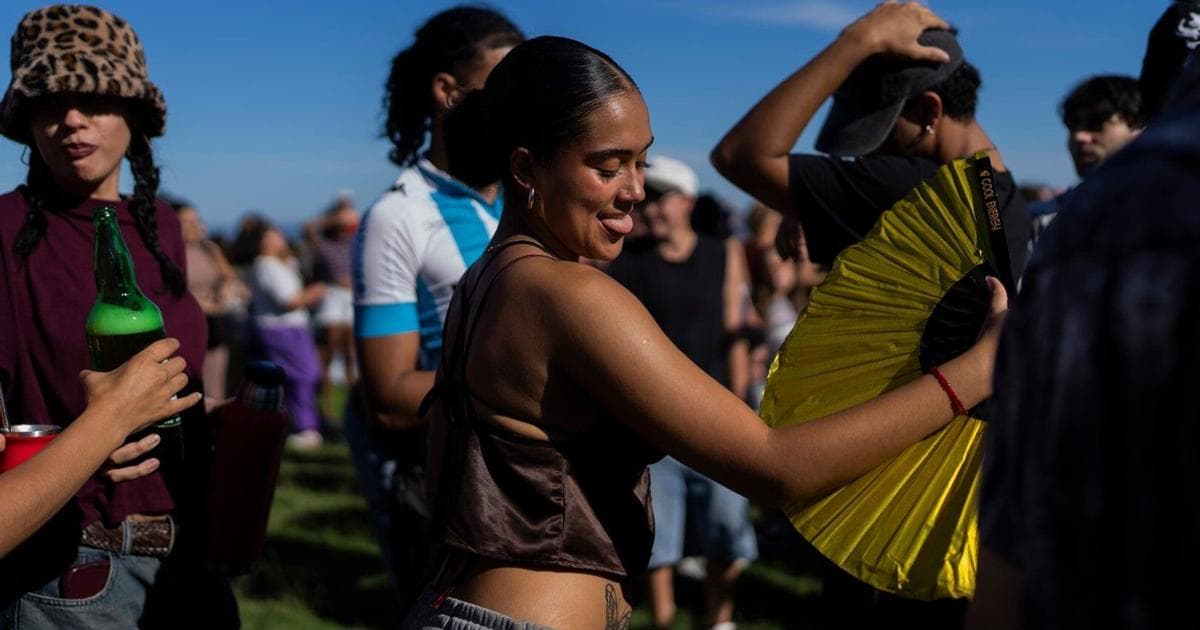
Hundreds Pack Montevideo’s Plaza as La Rueda De Candombe Caps a Breakout Run
Why It Matters
The surge shows how grassroots music can boost cultural tourism, reinforce national identity, and place Uruguay on the global arts stage.
Key Takeaways
- •La Rueda grew from a bar jam to Plaza de España crowds.
- •Candombe recognized by UNESCO, reinforcing Uruguay’s African heritage.
- •Social media and Cannes exposure drove international tourist interest.
- •Group plans to expand Rueda format to additional city squares.
Pulse Analysis
Candombe, Uruguay’s signature rhythm, traces its lineage to African slaves who used three distinct drums—chico, repique and piano—to preserve cultural rituals in the 18th century. UNESCO’s designation of candombe as Intangible Cultural Heritage underscores its role as a living conduit of Afro‑Uruguayan identity, linking historic plazas to modern festivals. The genre’s evolution, from carnival comparsas to jazz‑infused candombe canción, illustrates a broader Latin American pattern where traditional music adapts to contemporary tastes while retaining its communal core.
La Rueda de Candombe epitomizes this adaptive spirit. After a formative visit to Rio’s informal "rodas," founders Caleb Amado and Rolo Fernández transplanted the tabletop jam concept to Montevideo, quickly outgrowing intimate bars and filling Plaza de España with hundreds of spectators. Social‑media clips amplified the spectacle, drawing tourists and prompting collaborations with artists like Jorge Drexler. The group’s Cannes Film Festival appearance in 2025 signaled a crossover from local heritage to global cultural showcase, generating ancillary revenue for nearby vendors and positioning Uruguay as a niche destination for music‑focused travelers.
Looking ahead, La Rueda’s plan to duplicate its tabletop format across additional squares could reshape urban cultural policy. By activating public spaces for low‑cost, high‑impact performances, the initiative offers a template for other Latin American cities seeking to fuse heritage preservation with economic development. Municipal support—through permits, lighting and modest subsidies—could amplify foot traffic, extend visitor stays, and nurture a new generation of musicians who view tradition as a launchpad for innovation. As Uruguay leverages this momentum, candombe may evolve from a celebrated ritual into a strategic asset for tourism and cultural diplomacy.
Hundreds pack Montevideo’s plaza as La Rueda de Candombe caps a breakout run
Comments
Want to join the conversation?
Loading comments...