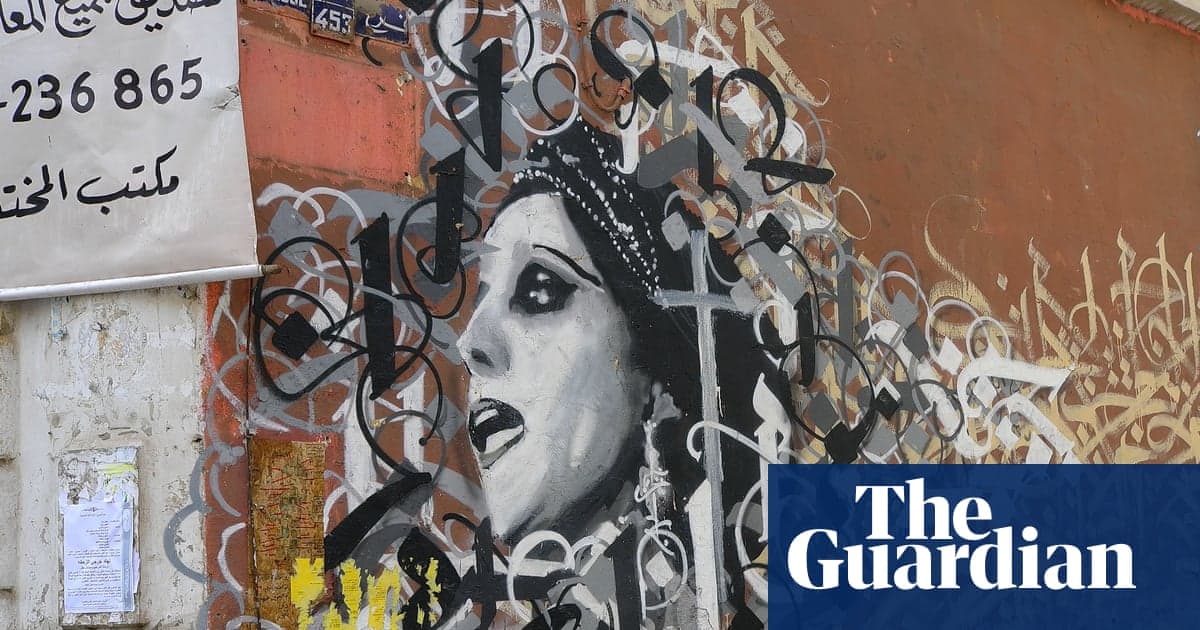
‘I Can’t Listen without Feeling Rattled’: How Fairuz’s Anthem of Resilience Became a Harbinger of Strife for Lebanon
Why It Matters
The song’s shifting symbolism reveals how cultural icons can both unite and expose societal fatigue, influencing diaspora engagement and domestic morale amid Lebanon’s ongoing political and economic crises.
Key Takeaways
- •Song became Lebanon’s de‑facto anthem since 1976
- •Resonates with older generations as unity symbol
- •Younger Lebanese view it as lament, not hope
- •Social media fuels nostalgic reinterpretations of the track
- •Highlights gap between idealized nostalgia and present hardships
Pulse Analysis
Fairuz’s voice has long been a soundtrack to Lebanon’s turbulent history, and “Bahebak Ya Lebnan” epitomizes that role. Released amid the early days of a fifteen‑year civil war, the song’s lyrical devotion to every corner of the country offered a unifying narrative when sectarian violence threatened to tear the nation apart. Over the decades, it has been invoked during Israel‑Lebanon skirmishes, the COVID‑19 pandemic, and the 2020 Port of Beirut blast, cementing its status as a cultural touchstone that transcends political divides and speaks to a collective yearning for stability.
In the digital age, the anthem’s meaning has fractured along generational and geographic lines. Older Lebanese recall the melody as a nostalgic reminder of the 1950s‑60s golden era, while younger citizens, scarred by relentless economic collapse and repeated evacuations, hear it as a lamentation of unfulfilled promises. Diaspora communities on TikTok and Instagram repurpose the song to craft idealized visions of a lost homeland, yet many also express discomfort, noting that the music now evokes war and mourning more than hope. This split reflects a broader cultural shift toward alternative, politically charged genres that better articulate contemporary frustrations.
The evolving perception of “Bahebak Ya Lebnan” underscores a critical tension in Lebanon’s national narrative: the myth of resilient optimism versus the lived reality of systemic failure. Policymakers and NGOs can no longer rely on nostalgic symbolism alone to galvanize public support; they must address the structural deficiencies that fuel cynicism. Meanwhile, artists and cultural producers are poised to redefine Lebanese identity, moving beyond inherited anthems toward new expressions that acknowledge both the country’s storied past and its urgent need for reform.
‘I can’t listen without feeling rattled’: how Fairuz’s anthem of resilience became a harbinger of strife for Lebanon
Comments
Want to join the conversation?
Loading comments...