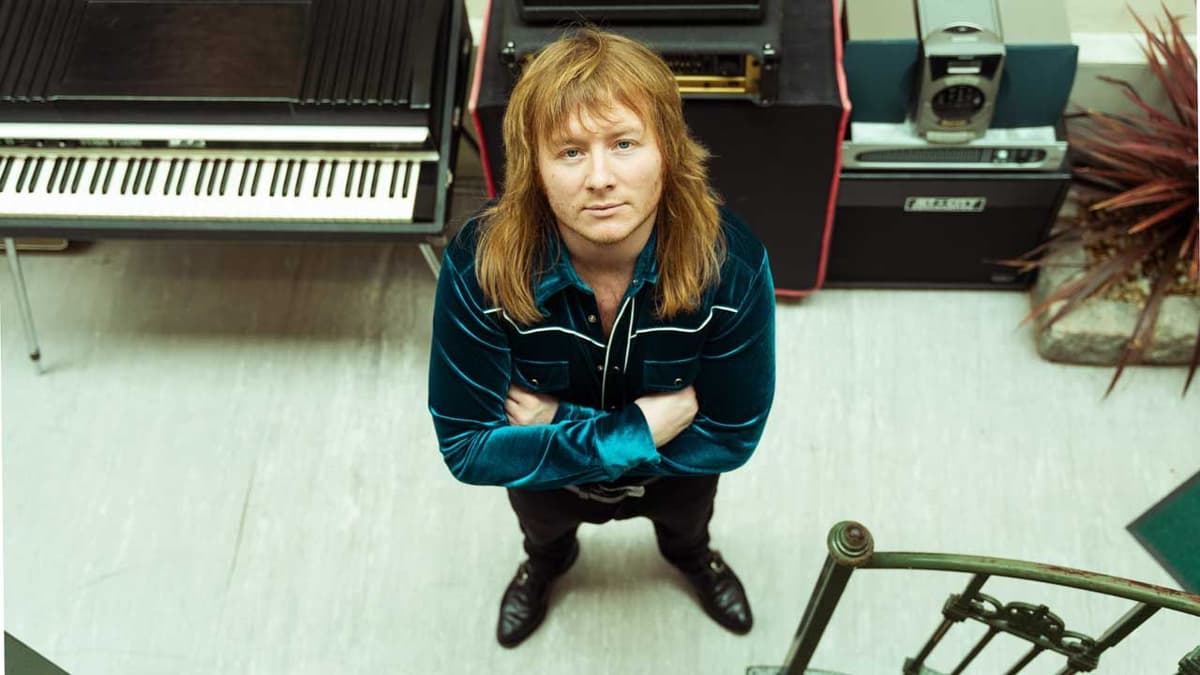
"I Can't Physically Breathe if I Can’t Play Music." With a Musical Education From His Grandfather, Former Busker Ty Freeman Is Now Playing with His Childhood Heroes
Companies Mentioned
Why It Matters
Freeman’s breakthrough illustrates how regional music ecosystems can elevate home‑grown talent while highlighting the therapeutic role of live performance for artists coping with mental‑health challenges.
Key Takeaways
- •Ty Freeman collaborates with The Coral on EP "One Way Love"
- •Former busker overcame foster care and mental‑health challenges
- •Grandfather’s record collection sparked his classic‑rock passion
- •Live performance essential for his ADHD‑linked anxiety management
- •Northwest England’s music scene nurtures emerging talent
Pulse Analysis
The northwest of England has long been a crucible for gritty, working‑class musicians, and Ty Freeman’s story fits that narrative perfectly. Growing up in foster care after his parents’ mental‑health issues, Freeman found solace in the vinyl crates his grandfather left behind, learning the language of Cream and Led Zeppelin on a modest Squier Telecaster. By 2019 he was a regular busker on Liverpool’s streets, absorbing the city’s rock‑and‑roll heritage and honing a stage presence that would later attract the attention of established artists.
Freeman’s recent partnership with Ian Skelly and Paul Duffy of The Coral on the *One Way Love* EP is more than a celebrity cameo; it signals a cross‑generational endorsement that can accelerate a local act’s trajectory. The Coral’s rhythm section provided a professional backbone that amplified Freeman’s blues‑infused rock, creating a sound that feels both nostalgic and fresh. Such collaborations underscore a growing trend where legacy acts mentor emerging talent, enriching the music ecosystem and expanding audience reach for both parties.
Beyond the music, Freeman’s candid discussion of his ADHD diagnosis and panic attacks spotlights the vital link between live performance and mental‑health stability for artists. He describes playing as a physical necessity, a sentiment echoed by many musicians who find the stage a therapeutic outlet. As the industry grapples with artist wellness, Freeman’s experience reinforces the need for supportive touring structures and mental‑health resources, ensuring that creative expression remains a sustainable career path.
"I can't physically breathe if I can’t play music." With a musical education from his grandfather, former busker Ty Freeman is now playing with his childhood heroes
Comments
Want to join the conversation?
Loading comments...