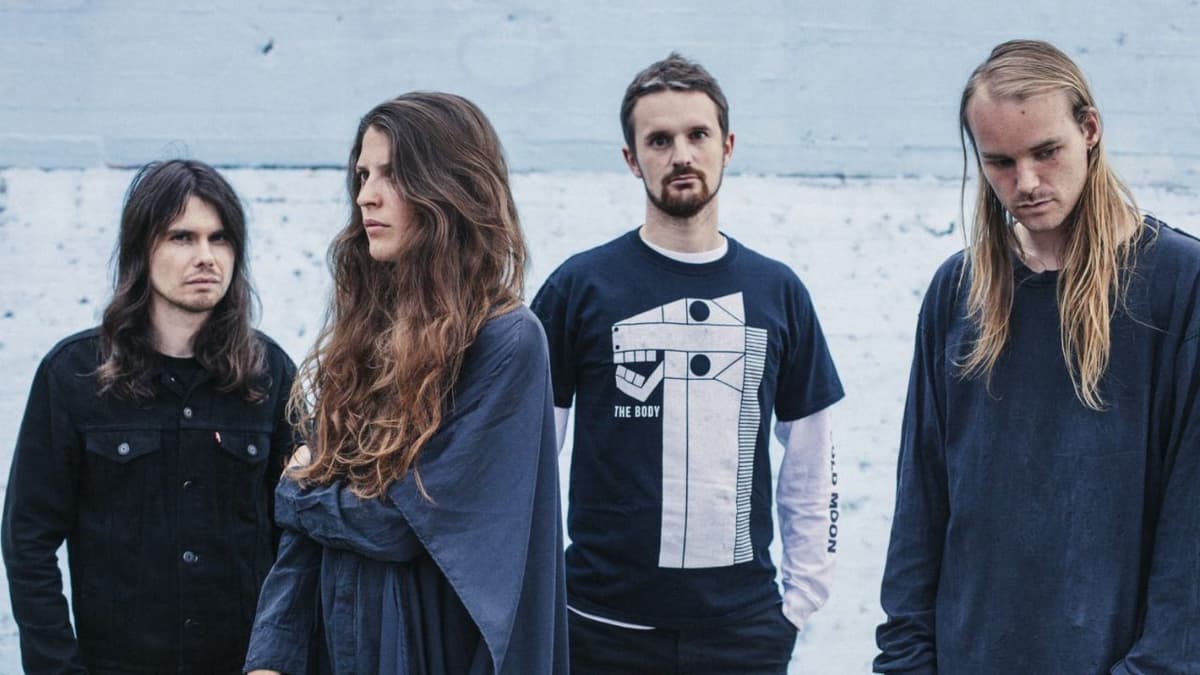
"I Feel Like a Robot and I Can’t Believe a Crowd Can Care About What We’re Doing." The Genre-Smashing Underground Band Who Recorded One of the Best Metal Albums of the 21st Century - and Then Disappeared
Why It Matters
The band’s return highlights the lasting impact of genre‑blending metal on the underground scene, while their announced break underscores the mental health challenges touring artists face, influencing industry conversations on artist wellbeing.
Key Takeaways
- •Oathbreaker returned to live shows after a decade-long hiatus
- •Rheia hailed as genre‑defining blend of metal, folk, and post‑rock
- •Frontwoman Caro Tanghe cites emotional exhaustion from touring the album
- •Band plans 2018 break; future record remains uncertain
Pulse Analysis
Oathbreaker’s comeback illustrates how a single, boundary‑pushing record can reshape expectations for underground metal. Rheia’s seamless integration of blackened hardcore, folk instrumentation, and atmospheric post‑rock resonated beyond niche circles, earning praise from critics and influencing a wave of bands seeking similar sonic hybridity. This cultural ripple effect demonstrates that innovation in extreme music can translate into broader artistic relevance, attracting listeners who might otherwise overlook the genre.
The emotional intensity behind Rheia also reveals the hidden toll of translating personal trauma into live performance. Caro Tanghe’s candid reflections on nightly exhaustion and feelings of robotic detachment expose a common, yet under‑discussed, facet of touring life: the need to repeatedly relive raw vulnerability on stage. As more artists speak out about mental health, Oathbreaker’s decision to step back in 2018 adds weight to industry calls for sustainable touring practices and better support structures for musicians.
Looking ahead, Oathbreaker’s uncertain recording future underscores a pivotal moment for genre‑defying acts. While members continue side projects—most notably collaborations with fellow Belgian act Amenra—their collective pause may inspire a new wave of creative experimentation outside the traditional album cycle. Fans and industry observers will watch closely to see whether the band leverages its influential legacy to pioneer fresh sounds or opts for a quiet dissolution, a decision that could set a precedent for how underground innovators manage longevity and artistic evolution.
"I feel like a robot and I can’t believe a crowd can care about what we’re doing." The genre-smashing underground band who recorded one of the best metal albums of the 21st century - and then disappeared
Comments
Want to join the conversation?
Loading comments...