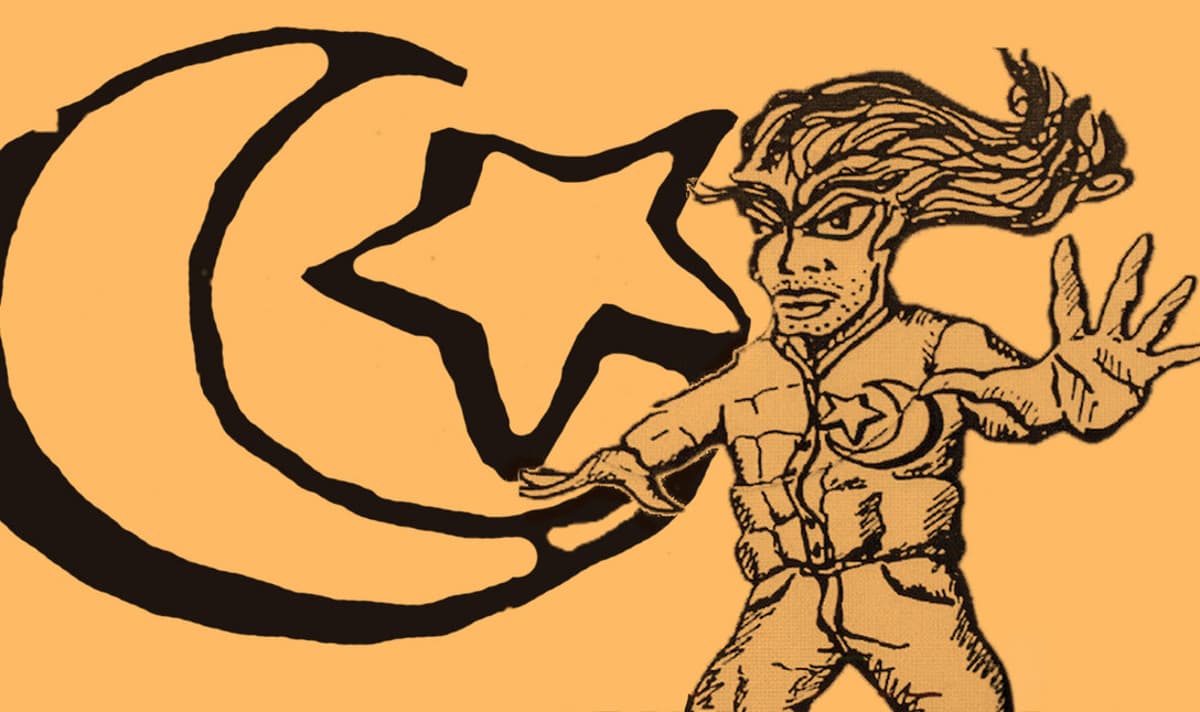
“I Was Never Interested in Being Owned”: An Interview with Persian, the Anonymous Iranian Pioneer of UK Rave
Companies Mentioned

Why It Matters
His steadfast commitment to anonymity and political messaging shows how underground artists can shape mainstream electronic culture without commercial compromise, offering a model for artistic independence.
Key Takeaways
- •Persian released over 160 tracks via self‑run labels since early 1990s
- •His music blends Middle‑Eastern samples with jungle, garage, techno
- •Major UK DJs regularly feature his tracks in contemporary mixes
- •He avoided mainstream contracts, preferring anonymity and political messaging
- •Now studying sculpture, he may return to music with new releases
Pulse Analysis
The UK rave scene of the early ’90s was a crucible for experimental sounds, yet few artists remained as enigmatic as Persian. Born to Iranian immigrants in East London, he grew up amid multicultural neighborhoods and overt racism, experiences that forged his anti‑establishment ethos. By recording on a Commodore Amiga and an Akai sampler—tools that cost only a few hundred pounds (≈$300) at the time—he turned technical limitations into a signature lo‑fi aesthetic. His anonymity was not merely a personal quirk; it served as a political shield, allowing him to embed messages about resistance, diaspora identity, and anti‑war sentiment without attracting state scrutiny.
Persian’s self‑release strategy prefigured today’s independent‑label boom. Eschewing deals that would have paid him several thousand pounds (~$3,000‑$4,000) per track, he founded imprints like Haul & Paul, Nagmeh, and Existence is Resistance, retaining full creative control. This DIY approach enabled him to fuse Middle‑Eastern vocal samples with jungle breakbeats, garage basslines, and early dubstep‑like sub‑bass, influencing a generation of producers. Contemporary DJs—Four Tet, Joy Orbison, Shanti Celeste—regularly dig his catalog for its raw energy, proving that underground releases can permeate mainstream playlists when the music resonates on a visceral level.
Beyond the music, Persian’s story underscores a broader industry lesson: anonymity can preserve artistic integrity while amplifying political discourse. By refusing publicity, he let the tracks speak for themselves, turning clubs into spaces of subtle protest. His recent pivot to visual art suggests a multidisciplinary expansion of that protest, echoing a trend where musicians leverage other media to sustain relevance. As streaming platforms democratize distribution, Persian’s model—self‑curated output, political purpose, and strategic scarcity—offers a blueprint for artists seeking impact without surrendering ownership.
“I Was Never Interested in Being Owned”: An Interview with Persian, the Anonymous Iranian Pioneer of UK Rave
Comments
Want to join the conversation?
Loading comments...