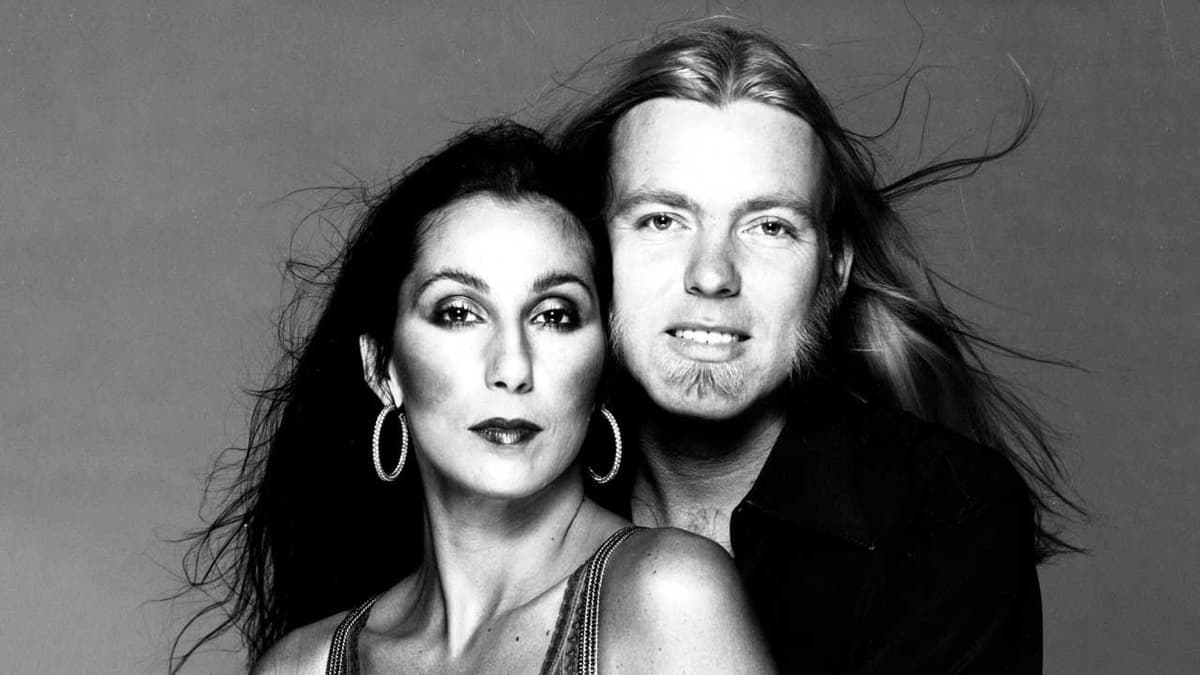
"I Was Really Glad that She Never Asked Me What I Thought of Her Singing." What Happened when Gregg Allman Appeared on Cher's TV Show
Companies Mentioned
Why It Matters
The appearance shows how personal celebrity ties could dictate network programming in the 1970s, and it marks an early cultural moment for voguing that later shaped mainstream pop. It also highlights the risks of leveraging personal relationships for TV ratings.
Key Takeaways
- •Allman duetted 'Don’t Mess Up A Good Thing' on Cher's 1975 show.
- •Allman's appearance was booked only because Cher insisted, not CBS or sponsors.
- •The performance includes early voguing, predating Madonna's mainstream hit by 15 years.
- •Allman's solo hit 'Midnight Rider' had reached US Top‑20 before the show.
- •Their TV duet foreshadowed a brief marriage and a commercially failed album.
Pulse Analysis
When CBS launched Cher’s eponymous variety series in May 1975, the network aimed to cement her crossover appeal with a star‑studded lineup that included Elton John, Bette Midler and Ray Charles. Amid this musical cavalcade, Gregg Allman—founder of the Allman Brothers Band and solo Top‑20 artist—joined the show at Cher’s behest. His performance of "Don’t Mess Up A Good Thing" alongside Cher, followed by a rendition of "Midnight Rider," offered a rare blend of Southern rock grit and pop spectacle, underscoring the era’s experimental cross‑genre collaborations.
The segment’s choreography introduced a nascent form of voguing, a stylized dance that would not enter mainstream consciousness until Madonna’s 1990 hit. At roughly two minutes and twenty‑four seconds, Cher’s dancers execute sharp, angular moves that prefigure the runway‑inspired poses later popularized in club culture. This early exposure illustrates how variety television served as an inadvertent conduit for underground subcultures, seeding trends that would later dominate pop music videos and fashion. Moreover, the production’s lavish glitter‑laden costumes and horn‑driven arrangements reflect the high‑budget aesthetic that defined 1970s prime‑time variety programming.
Beyond the performance, Allman’s appearance reveals the power of personal relationships in shaping network content. Cher’s insistence secured Allman’s slot despite sponsor and executive doubts, highlighting how celebrity influence could override commercial considerations. Their on‑air chemistry foreshadowed a tumultuous marriage, a joint album that flopped, and a public narrative of rock‑pop collisions. The episode remains a cultural footnote that encapsulates the intersection of music, television, and celebrity dynamics during a transformative period in American entertainment history.
"I was really glad that she never asked me what I thought of her singing." What happened when Gregg Allman appeared on Cher's TV show
Comments
Want to join the conversation?
Loading comments...