Why It Matters
Amos’s politicized album demonstrates how legacy artists leverage music to comment on contemporary autocracy, influencing cultural discourse around political criticism in popular music.
Key Takeaways
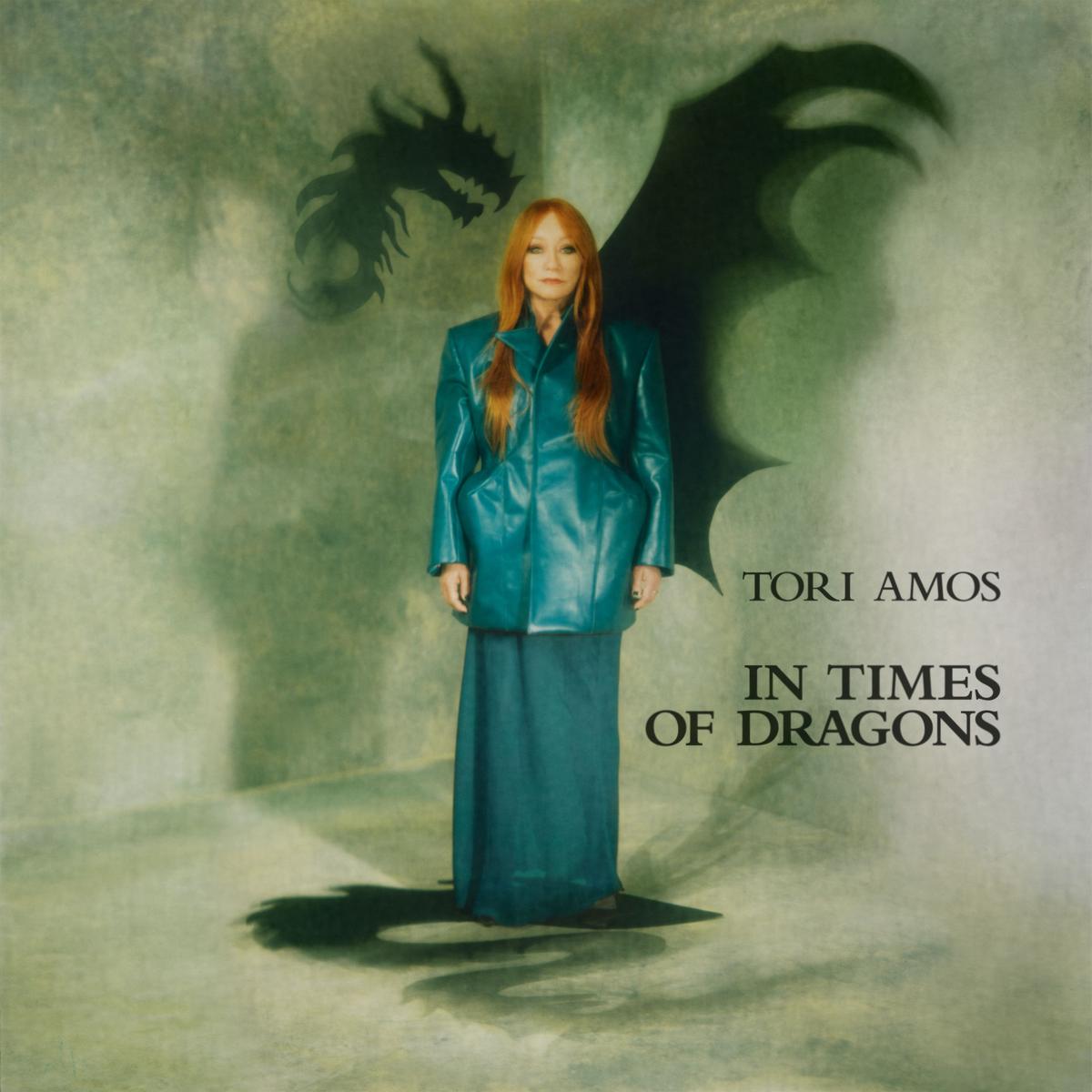
- •Amos' new album frames Trump as reptilian dragon representing elite
- •18-track record mixes baroque harpsichord with prog‑rock textures
- •Lyrics directly name patriarchy, hierarchy, democracy, reducing subtlety
- •Critics say album lacks depth compared to early Amos masterpieces
- •Album revisits harpsichord after 30‑year hiatus, highlighted in 'Provincetown'
Pulse Analysis
Tori Amos has long used mythic storytelling to explore personal and societal power struggles, from the early 1990s piano‑driven confessions to the overtly political narratives of American Doll Posse. In Time of Dragons marks a continuation of that trajectory, positioning the former president as a reptilian dragon—a visual shorthand for the opaque, self‑reinforcing elite that dominates modern governance. By invoking David Icke‑style conspiracy motifs, Amos taps into a cultural undercurrent where political dissent often masquerades as fantastical allegory, allowing listeners to process current anxieties through familiar mythic lenses.
Musically, the album is a study in contrast. The harpsichord, absent from Amos’s work since 1996’s Boys for Pele, resurfaces on "Provincetown," offering a baroque texture that sits alongside thunderous drums and a descending piano line reminiscent of Nine Inch Nails’ darker era. This juxtaposition creates a sonic tension that mirrors the lyrical conflict between dragon‑slayer and dragon. However, the direct naming of concepts like patriarchy and hierarchy strips away the poetic ambiguity that once defined her protest songs, leading some reviewers to label the approach as blunt and literal.
The release underscores a broader shift in the music industry: veteran artists are increasingly foregrounding explicit political commentary, leveraging their platforms to shape public conversation. While such candor can energize a fanbase, it also risks alienating listeners who prefer nuanced metaphor over overt declaration. Amos’s latest effort illustrates both the power and the peril of this trend, suggesting that future works may need to balance clear messaging with the layered storytelling that has historically resonated across generations.
In Times of Dragons
Comments
Want to join the conversation?
Loading comments...