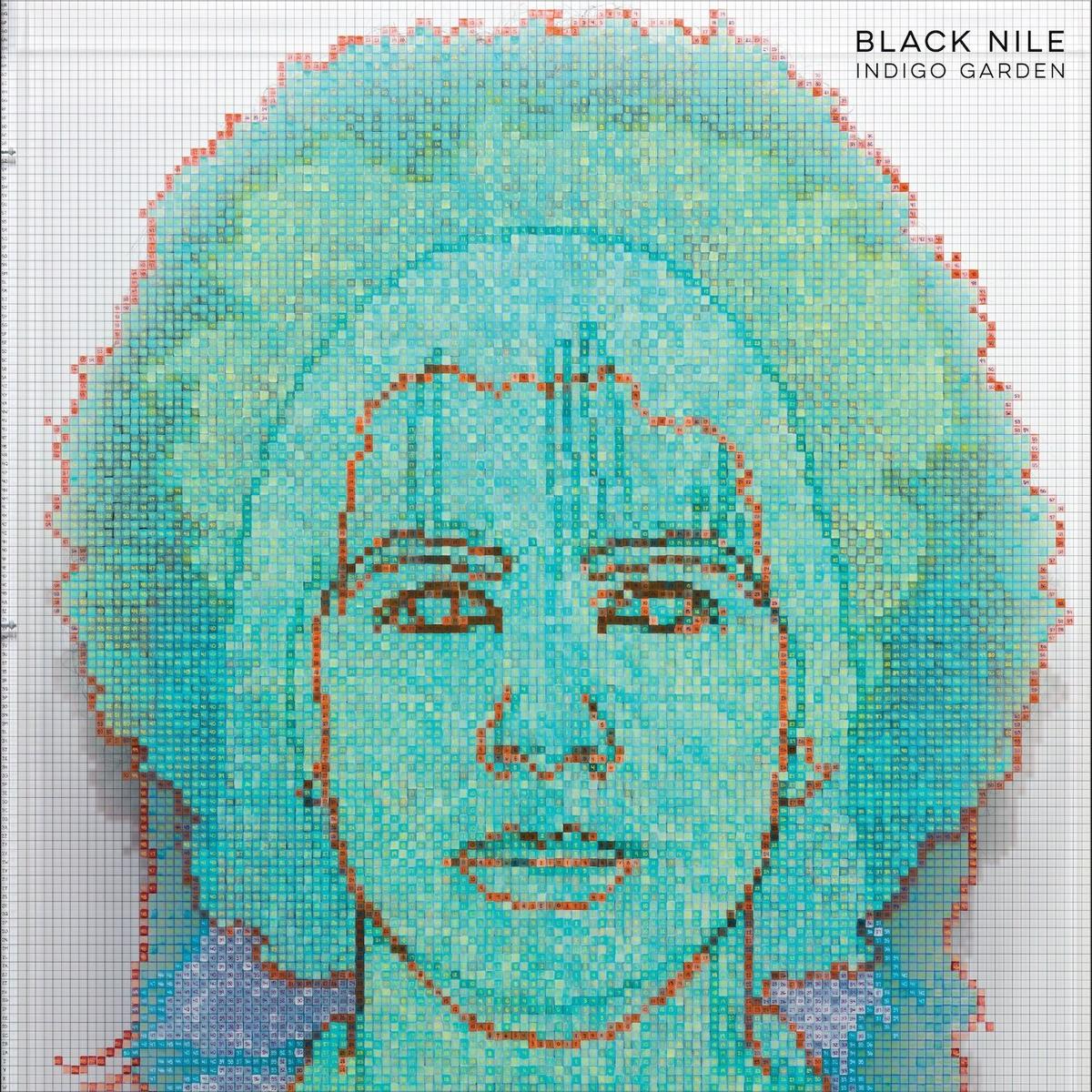
Why It Matters
The album reinforces LA’s status as a crucible for progressive jazz, highlighting how contemporary artists can blend cultural activism with genre‑bending soundscapes. Its reception signals growing market appetite for music that bridges heritage and modern urban narratives.
Key Takeaways
- •Indigo Garden blends jazz, electronica, and Latin influences.
- •Tracks reference LA landmarks like Slauson and city wildfires.
- •Aaron Shaw’s sax leads with lush, multi‑layered solos.
- •Album honors Black liberation movement and jazz elders.
- •Songs stay under six minutes, encouraging repeat listens.
Pulse Analysis
Los Angeles has re‑emerged as a global jazz hub since Kendrick Lamar’s 2015 studio sessions that paired hip‑hop visionaries with virtuoso instrumentalists. That watershed moment sparked a wave of genre‑defying projects—Kamasi Washington’s *The Epic*, Terrace Martin’s *Velvet Portraits*, and now Black Nile’s *Indigo Garden*—that fuse social consciousness with experimental sound design. This cultural momentum has attracted both critical acclaim and a new generation of listeners seeking music that reflects the city’s diverse narratives.
*Indigo Garden* captures the essence of contemporary LA by marrying traditional jazz improvisation with modern production techniques. Aaron Shaw’s saxophone weaves through electronic textures and Latin rhythms, while Lawrence Shaw’s bass grounds the compositions in a deep, resonant groove. Guest artists such as Luca Mendoza on keys and Myles Martin on drums add layers that echo the city’s kinetic energy, from the fog‑laden streets of Slauson to the stark imagery of the 2025 wildfires. The album’s concise track lengths—none exceeding six minutes—invite repeated engagement, revealing nuanced shifts in tempo and timbre that reward attentive listening.
Beyond its artistic merit, *Indigo Garden* underscores a broader industry trend: the commercial viability of socially aware, genre‑blending jazz. As streaming platforms prioritize curated playlists that spotlight cultural relevance, projects like Black Nile’s gain visibility among both jazz aficionados and mainstream audiences. The record’s homage to Black liberation and its integration of spoken‑word interludes position it as a template for future artists aiming to fuse activism with innovative sound, reinforcing LA’s role as a crucible for the next evolution of jazz.
Indigo Garden
Comments
Want to join the conversation?
Loading comments...