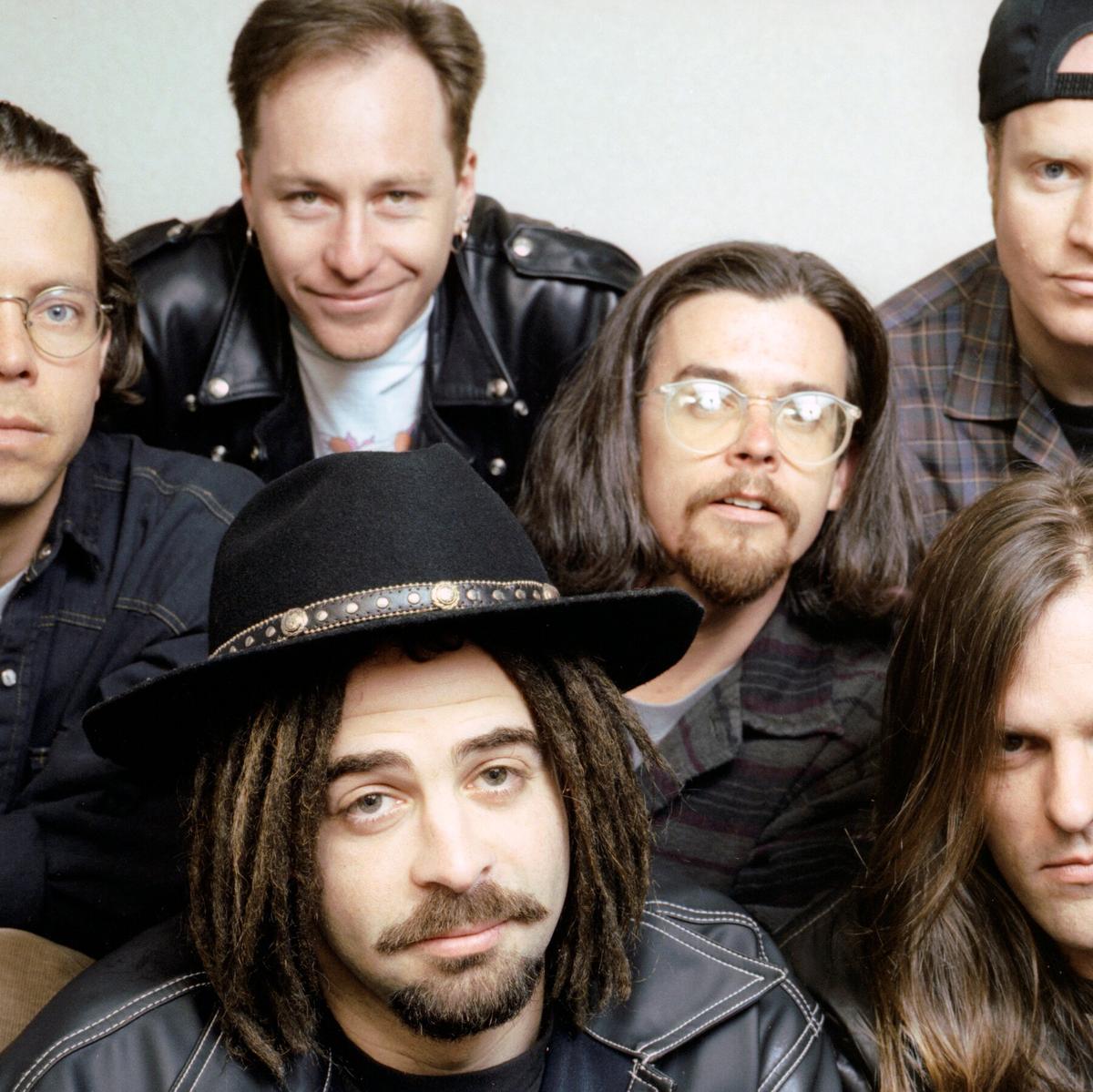
Is 1990s Alternative Rock the New Country?
Companies Mentioned

MTV
Why It Matters
The crossover signals a broader industry shift where festivals diversify lineups to capture aging Gen‑X fans and younger listeners craving guitar‑driven authenticity, reshaping revenue models for both country and rock markets.
Key Takeaways
- •Stagecoach adds Counting Crows, Bush, Wallflowers, Third Eye Blind
- •1990s alt‑rock acts share audience with modern country fans
- •Darius Rucker links 90s angst to today’s country vibe
- •Festival blends country headliners with legacy rock for broader appeal
- •Guitar‑driven music finds new platform amid pop’s electronic shift
Pulse Analysis
Stagecoach Festival’s evolution from a niche country showcase to a hybrid music event mirrors broader changes in festival strategy. Launched in 2007 on the same California grounds as Coachella, Stagecoach has historically spotlighted chart‑topping country acts. This year’s inclusion of 1990s alternative‑rock staples marks a deliberate effort to attract the sizable Gen‑X demographic that grew up with MTV‑driven guitar anthems, while still catering to its core country audience. By positioning legacy rock alongside contemporary country stars, the festival taps into nostalgia and expands ticket‑sale potential.
The cultural overlap between 90s alt‑rock and today’s country music is more than superficial. Artists like Darius Rucker, who transitioned from Hootie & the Blowfish to country stardom, highlight a shared emphasis on storytelling, emotional rawness, and melodic hooks. As streaming data shows, playlists that blend acoustic‑driven country with rock‑oriented tracks see higher engagement among listeners aged 35‑54. This demographic, now with greater disposable income, seeks live experiences that echo the angst and guitar‑centric soundtracks of their youth, making Stagecoach’s mixed lineup a logical response to evolving fan preferences.
For the live‑music industry, Stagecoach’s model could set a precedent. Festivals that once segmented genres are increasingly curating eclectic rosters to maximize attendance, sponsorship, and streaming synergy. The success of this hybrid approach may encourage other events to revisit legacy acts, fostering a resurgence of guitar‑focused performances amid a pop landscape dominated by electronic production. As festivals adapt, the line between country and rock blurs, creating new revenue streams and reinforcing the enduring appeal of authentic, instrument‑driven music.
Is 1990s Alternative Rock the New Country?
Comments
Want to join the conversation?
Loading comments...