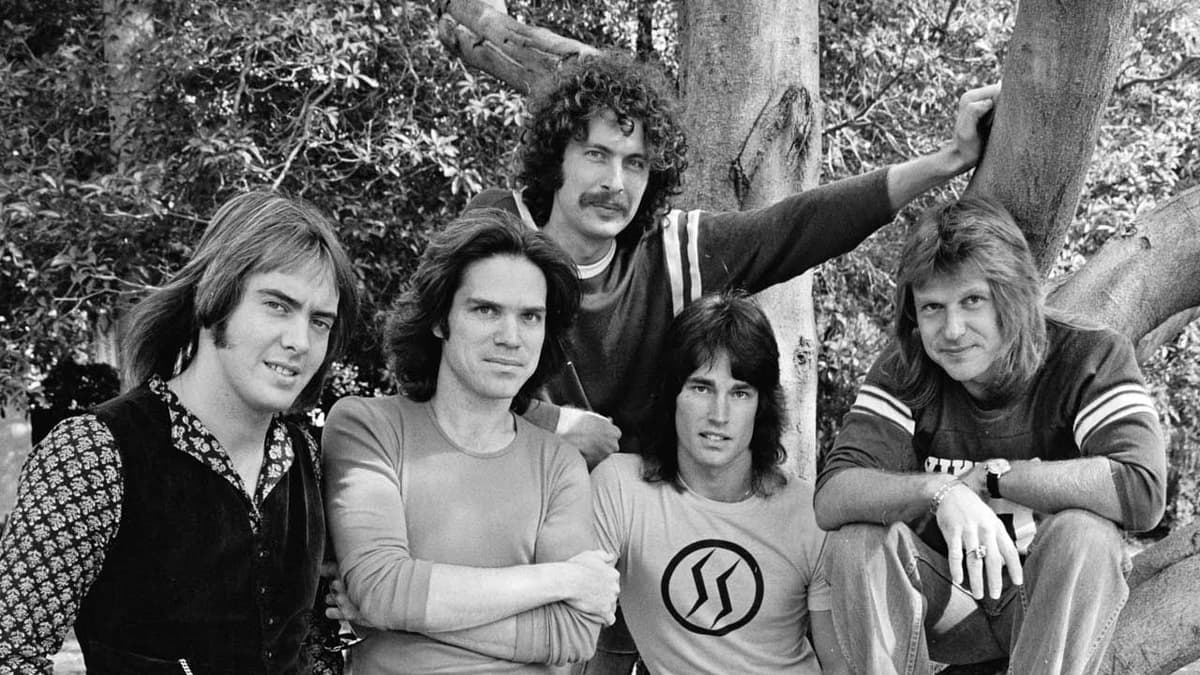
"It Sounds Great While Floating Lazily on a Yacht or Zooming Down the Interstate in a Lamborghini." The Story of Player's Debut Album, a Record for People Who Like to Get Home Before It Gets Dark
Why It Matters
Player’s brief but bright success illustrates how AOR capitalized on mainstream radio in a period dominated by punk and disco, shaping the template for future soft‑rock acts. Understanding their rise and decline offers insight into the music‑industry dynamics that still affect hit‑driven careers today.
Key Takeaways
- •Player's 1977 debut produced the No.1 hit 'Baby Come Back'.
- •Band formed by Peter Beckett and J.C. Crowley after meeting in LA.
- •Signed to Robert Stigwood's RSO Records, toured with Clapton and Heart.
- •Follow‑up singles charted modestly; band became a classic one‑hit wonder.
- •Album exemplifies late‑70s West Coast AOR sound and production style.
Pulse Analysis
The late 1970s were a musical crossroads, with punk’s raw edge and disco’s glitter vying for airplay. Amid this turbulence, adult‑oriented rock (AOR) provided a polished, radio‑friendly alternative that appealed to corporate playlists and affluent listeners. Player entered this niche with a sleek image and expertly crafted songs, positioning themselves as the soundtrack for upscale leisure—yachts, highways, and suburban evenings. Their debut captured the era’s production gloss, featuring layered harmonies, crisp guitars, and a rhythm section that balanced rock energy with pop accessibility.
"Baby Come Back" epitomized the AOR formula: a catchy chorus, tight arrangement, and a polished sheen that resonated across Top 40 stations. Written by Beckett and Crowley, the track leveraged studio technology of the time—multitrack overdubs and lush reverb—to create a sound that felt both intimate and expansive. Its chart‑topping performance opened doors for high‑profile tours with artists like Eric Clapton and Heart, cementing Player’s brief mainstream relevance. Yet the follow‑up releases, while competent, lacked the same hook strength, illustrating the razor‑thin margin between sustained success and one‑hit status in a market saturated with genre cross‑pollination.
Decades later, Player’s album serves as a case study in AOR’s cultural imprint and the volatility of hit‑driven careers. The record’s blend of soft rock, subtle funk, and occasional synth flourishes prefigured the smooth‑rock resurgence of the 1980s, influencing later acts that chased the same easy‑listening vibe. For contemporary listeners, revisiting Player offers both nostalgia and a lesson: in an industry where trends shift rapidly, mastering a single, well‑produced anthem can secure a lasting legacy, even if the broader catalog recedes into the background.
"It sounds great while floating lazily on a yacht or zooming down the interstate in a Lamborghini." The story of Player's debut album, a record for people who like to get home before it gets dark
Comments
Want to join the conversation?
Loading comments...