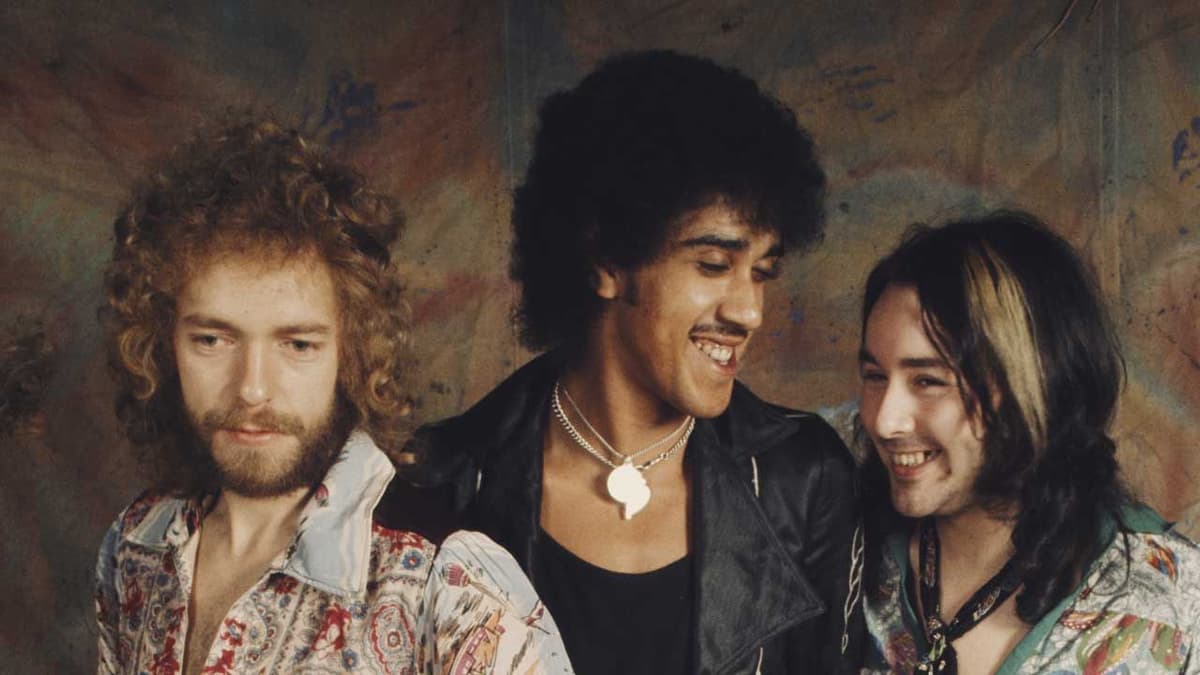
"It Was an Embarrassment, but We Were Desperate for the Cash."How Thin Lizzy Saved Their Career by Recording an Album of Deep Purple Covers
Companies Mentioned
Why It Matters
The deal shows how financial pressure can force established artists into unconventional, low‑budget recordings, directly influencing their survival and future trajectory. It also highlights the 1970s music‑industry model of cheap compilations as a cash‑flow lifeline for struggling acts.
Key Takeaways
- •Thin Lizzy recorded four Deep Purple covers for £1,000 (~$1,250).
- •Album released as Funky Junction, sold for 50p at Woolworths.
- •Budget label Stereo Gold Award used ghost artists to mimic hits.
- •Cash from the album kept Thin Lizzy from losing their contract.
- •Project showed early 70s industry reliance on cheap compilation sales.
Pulse Analysis
Thin Lizzy’s early career was a precarious balancing act. Their first two Decca albums—*Thin Lizzy* (1971) and *Shades of a Blue Orphanage* (1972)—failed to chart, leaving the Irish rock outfit on the brink of being dropped. Phil Lynott’s attempt to break through with the original single “Black Boys On The Corner” was sidelined by the label, which pushed the traditional folk tune “Whiskey In The Jar” to the A‑side. With mounting debts and a looming contract termination, the band was forced to consider any revenue source, even a low‑budget cover project that seemed at odds with their artistic ambitions.
The resulting album, issued under the alias Funky Junction, was a classic example of 1970s budget‑label tactics. Stereo Gold Award, run by David L. Miller, specialized in quickly produced, cheaply packaged recordings that mimicked popular hits. Thin Lizzy recorded four Deep Purple tracks—"Fireball," "Black Night," "Strange Kind Of Woman" and "Speed King"—plus a rendition of "Hush," all for a flat £1,000 fee. Sold for just 50p at Woolworths and marketed with misleading artwork, the record generated immediate cash flow, buying the band crucial studio time and keeping them on Decca’s roster long enough to craft the breakthrough material that would define their legacy.
Beyond the immediate financial rescue, the episode underscores a broader industry truth: cash‑strapped artists often rely on unconventional revenue streams to survive, and budget compilations played a pivotal role in the 1970s music economy. Thin Lizzy’s willingness to compromise their brand for short‑term liquidity ultimately paid off, as the band went on to release seminal albums like *Jailbreak* and *Live and Dangerous*. The story serves as a reminder that strategic, even if embarrassing, decisions can preserve creative momentum and set the stage for lasting success in a volatile market.
"It was an embarrassment, but we were desperate for the cash."How Thin Lizzy saved their career by recording an album of Deep Purple covers
Comments
Want to join the conversation?
Loading comments...