“It’s Historically Important for Music Lovers of that Genre”: The Legal Dispute over Black Sabbath’s Earliest Recordings Has Been Settled – and They Could Finally Be Released
Companies Mentioned
Why It Matters
Regaining control of the early demos gives Black Sabbath the ability to monetize a rare piece of rock history and shape how their legacy is presented to fans and the market.
Key Takeaways
- •Settlement returns 1969 Earth demos to original Black Sabbath members
- •Demos include unreleased tracks like “Evenin’” and early “Wicked World.”
- •Band may decide to release tapes, creating new revenue streams
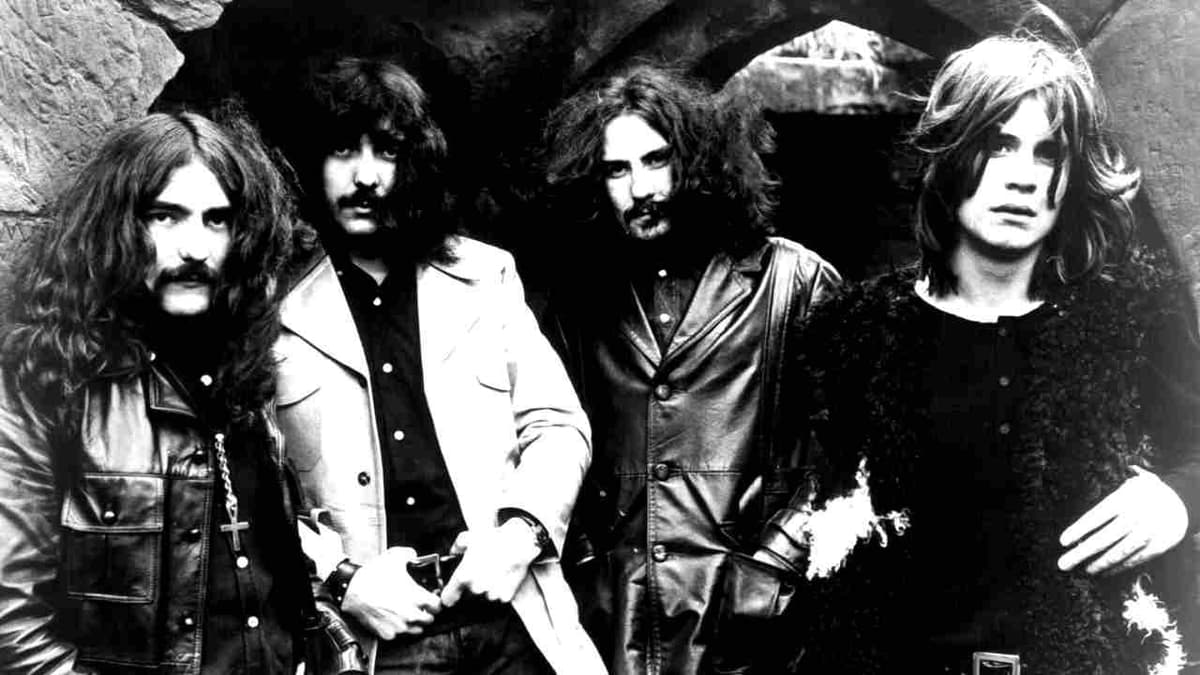
- •Ownership also includes rare period photographs from 1969 sessions
- •Ozzfest festival scheduled for 2027, reviving the iconic brand
Pulse Analysis
The dispute over Black Sabbath’s 1969 recordings, made when the quartet performed as Earth, highlighted the complexities of legacy ownership in the music industry. Jim Simpson, the band’s first manager, announced plans in 2025 to issue the eight‑track set via his Big Bear Music label, prompting Sharon Osbourne to threaten legal action on behalf of the surviving members. After months of contention, the parties reached a settlement that returns full rights to the original lineup, including both audio tapes and period photographs, clearing the path for any future release.
For fans and collectors, the potential unveiling of tracks like “Evenin’,” “Wee Wee Baby,” and early versions of “Wicked World” represents a rare glimpse into the formative sound that would later define heavy metal. Legacy recordings have become lucrative assets, with streaming platforms and vinyl reissues generating significant revenue for veteran acts. By controlling the demos, Black Sabbath can negotiate distribution deals, set pricing, and curate accompanying visual material, ensuring the material aligns with their brand while tapping into a market eager for authentic, previously unheard content.
The settlement also arrives amid broader strategic moves, such as the announced return of Ozzfest in 2027. Reviving the festival not only reinforces the Osbournes’ influence on the metal scene but also creates promotional synergy for any new archival releases. This convergence of archival exploitation and live‑event planning reflects a growing trend where legacy artists leverage their back catalogues and iconic brand assets to sustain relevance and generate fresh income streams in a digital‑first music economy.
“It’s historically important for music lovers of that genre”: The legal dispute over Black Sabbath’s earliest recordings has been settled – and they could finally be released
Comments
Want to join the conversation?
Loading comments...