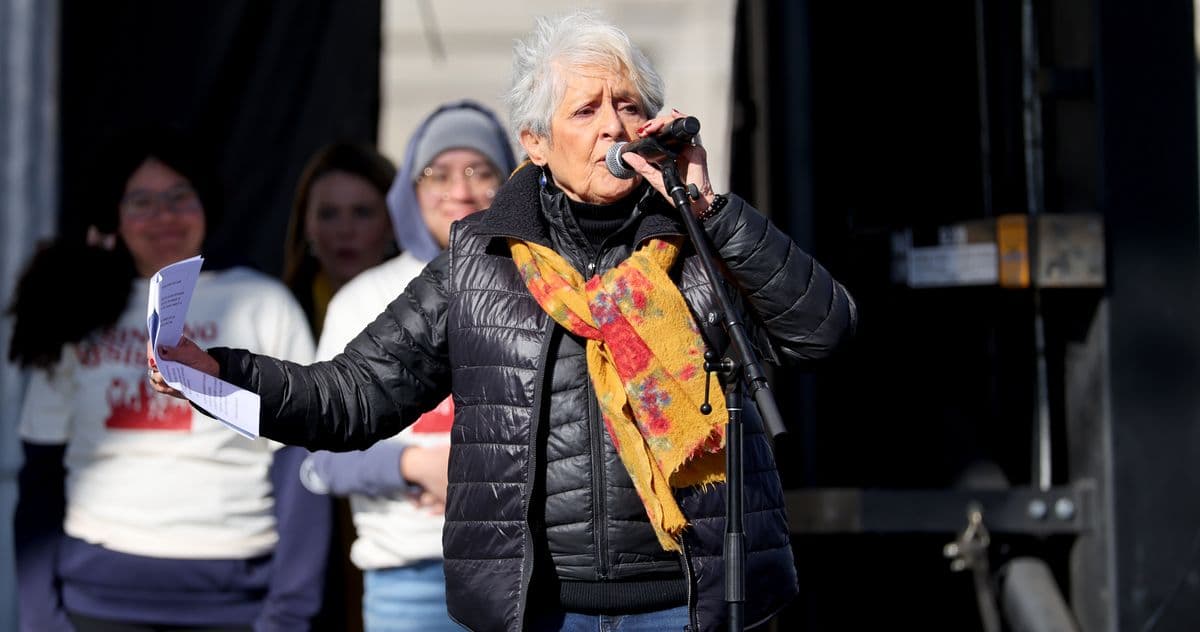
It’s Joan Baez, Babe, and She’s Got a Bone to Pick With the Pop Girls
Why It Matters
Baez’s critique highlights mounting pressure on high‑profile musicians to use their platforms for civic engagement, potentially reshaping how the music industry balances profit with political responsibility.
Key Takeaways
- •Joan Baez criticizes pop women for political silence.
- •Praises Brandi Carlile and Maggie Rogers as activist examples.
- •Highlights wealth as barrier to outspoken advocacy.
- •Calls for younger songwriters to take political steps.
- •Comments made on Julia Louis‑Dreyfus podcast episode.
Pulse Analysis
Joan Baez has long been synonymous with protest music, from anti‑war anthems in the 1960s to civil‑rights rallies in the 1970s. Her career spans six decades, during which she consistently leveraged her platform to challenge authority and champion social justice. By appearing on Julia Louis‑Dreyfus’s "Wiser Than Me" podcast, Baez reaffirmed her activist roots, reminding a new generation that artistic influence carries a responsibility to speak out on democratic erosion and human‑rights abuses.
The current pop landscape is dominated by chart‑topping female artists who command massive streaming revenues and global tours. While some, like Brandi Carlile and Maggie Rogers, have taken visible stances—Rogers even performed at an anti‑ICE rally—many others remain silent, a choice Baez attributes to their "richer than God" status. This silence is not merely personal; it reflects a broader industry calculus where brand safety, sponsorship deals, and marketability often outweigh political risk. Baez’s remarks tap into a growing discourse about whether commercial success should dilute an artist’s moral voice.
For record labels and managers, Baez’s criticism signals a shifting expectation: audiences increasingly reward authenticity and activism, especially among younger listeners who view music as a conduit for change. Companies may need to reassess how they support or discourage political expression, balancing potential backlash against the brand equity gained from socially conscious artists. As the line between entertainment and advocacy blurs, the industry could see a new wave of strategic partnerships with NGOs and cause‑related marketing, reshaping the economics of pop culture in the process.
It’s Joan Baez, Babe, and She’s Got a Bone to Pick With the Pop Girls
Comments
Want to join the conversation?
Loading comments...