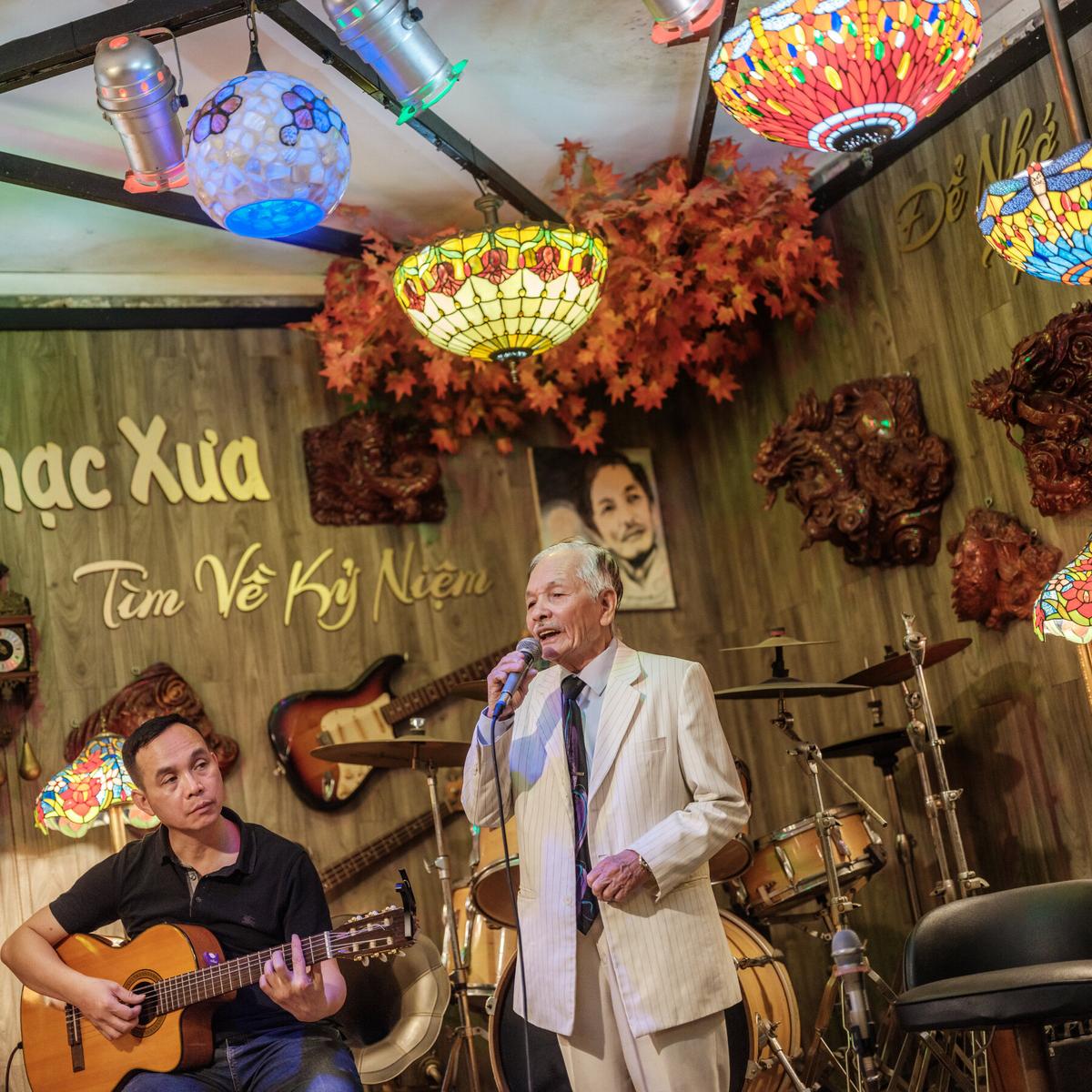
Jailed for Love Songs? Yes, and Still Singing.
Why It Matters
Loc’s revival preserves a rare musical tradition that documents Vietnam’s divided history and underscores the enduring power of artistic expression despite past censorship. It highlights the role of elder artists in transmitting cultural memory to younger generations.
Key Takeaways
- •81‑year‑old Nguyen Van Loc sings love songs that once got him jailed
- •He is Vietnam’s last living exponent of pre‑1954 Hanoi love ballads
- •His performances blend Eastern poetry with Western melodies from Paris, Detroit
- •Songs reflect nostalgia, division, and the cost of cultural obedience
- •Loc’s nightly shows keep a fading genre alive for younger audiences
Pulse Analysis
The story of Nguyen Van Loc is more than a personal comeback; it illustrates how music can survive political repression and become a conduit for collective memory. In the 1960s, Vietnamese authorities criminalized love songs that were deemed frivolous amid the war effort, leading to Loc’s imprisonment. Today, his nightly performances in a modest Hanoi backroom echo the same melodies, reminding listeners that cultural expression often endures underground, resurfacing when societal constraints loosen. This resilience mirrors broader trends in Southeast Asia, where artists revive suppressed genres to reconnect fragmented generations.
Loc’s repertoire is a hybrid of traditional Vietnamese poetry and Western popular music, drawing melodic lines from Parisian chanson, Detroit’s Motown, Honolulu’s hapa‑haole tunes, and Havana’s bolero rhythms. Musicologists note that this cross‑cultural synthesis emerged in post‑colonial Hanoi, where foreign records filtered through a tightly controlled media landscape. By preserving these eclectic arrangements, Loc offers scholars a living case study of how global sounds were localized in a politically charged environment. His performances also serve as an informal classroom, exposing younger Vietnamese listeners to a style that predates the country’s division in 1954.
The cultural significance of Loc’s work extends to contemporary debates about artistic freedom in Vietnam. While the government has relaxed some censorship, the legacy of past punishments still informs how artists navigate sensitive topics. Loc’s unapologetic celebration of love and nostalgia challenges lingering taboos, encouraging a new wave of musicians to explore historically banned themes. In doing so, he not only safeguards a fading genre but also contributes to a broader dialogue on how societies reconcile with their artistic pasts.
Jailed for Love Songs? Yes, and Still Singing.
Comments
Want to join the conversation?
Loading comments...