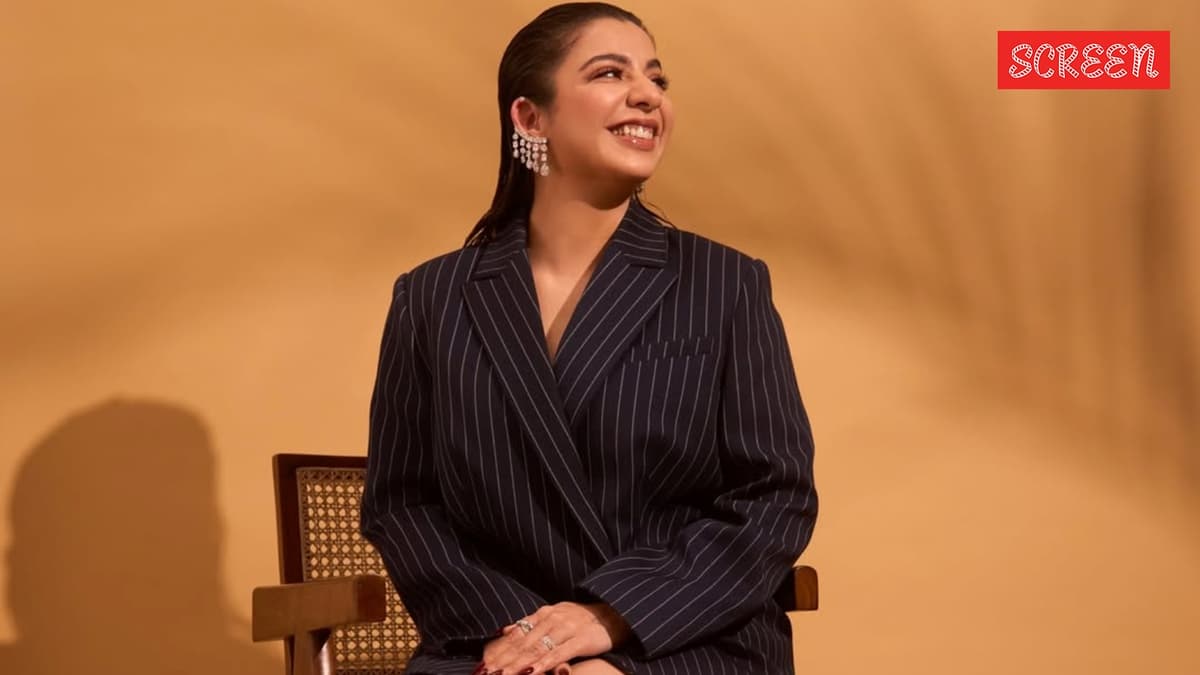
Jasmine Sandlas Lived on Food Stamps in US, Father Died the Year She Made It Big but She Never Quit
Why It Matters
Sandlas’s journey illustrates how immigrant resilience can fuel global music success, highlighting the untapped talent pipeline from diaspora communities. Her story underscores the importance of supporting artists through personal adversity to sustain cultural diversity in the entertainment industry.
Key Takeaways
- •Immigrated to the U.S. on food stamps, lived in a one‑bedroom home
- •First major Bollywood hit arrived the same year her father died
- •Overcame alcohol abuse and family strain to release multiple chart‑toppers
- •Founded her own label and earned Hall of Fame induction
Pulse Analysis
Jasmine Sandlas’s early years reflect a broader narrative of South Asian immigrants navigating economic hardship in the United States. Arriving as a teenager with limited English, her family relied on food stamps and low‑wage jobs while living in a cramped apartment. This backdrop of scarcity forged a work ethic that later resonated with a generation of diaspora artists seeking to translate personal struggle into creative output.
The turning point arrived in 2014 when “Yaar Na Miley” topped Bollywood charts, catapulting Sandlas into the mainstream just as she mourned her father’s death. The juxtaposition of sudden fame and profound loss forced her into a period of self‑destructive behavior, yet she leveraged that pain into a renewed artistic vision. By channeling grief into new collaborations—such as “Illegal Weapon” and the viral “Jaiye Sajana”—she demonstrated how personal adversity can be a catalyst for innovative music that bridges Punjabi folk roots with contemporary pop production.
Today, Sandlas’s influence extends beyond performance. She founded Jasmine Sandlas Records, giving her creative control and a platform for emerging talent, and earned a spot in the Women Songwriter’s Hall of Fame, signaling industry recognition of her contributions. Her story underscores the commercial viability of cross‑border music, encouraging labels to invest in artists who blend cultural authenticity with global appeal. As the U.S. South Asian market expands, Sandlas’s trajectory offers a blueprint for nurturing talent that can thrive both domestically and internationally.
Jasmine Sandlas lived on food stamps in US, father died the year she made it big but she never quit
Comments
Want to join the conversation?
Loading comments...