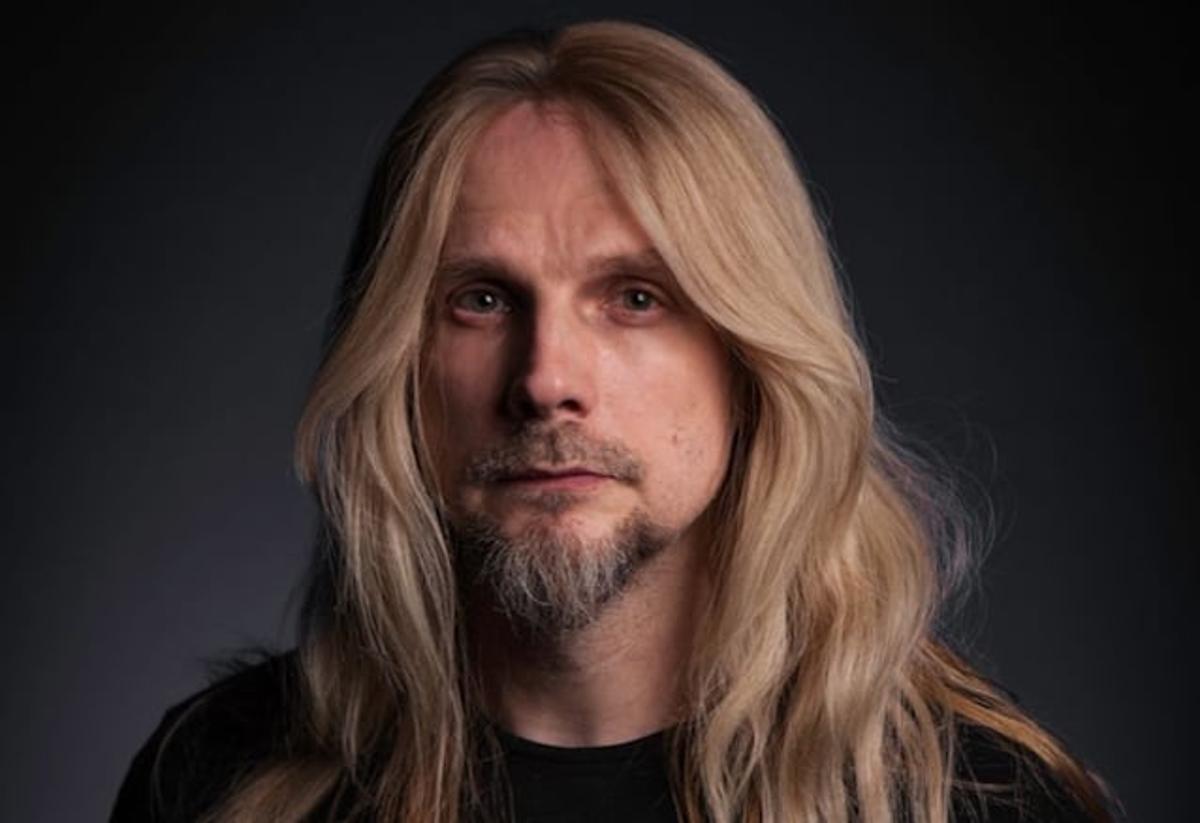
JUDAS PRIEST's RICHIE FAULKNER Defends Bands Who Tour Without Their Classic Lineups: 'If People Don't Wanna Go' See Them, 'Then Don't Go'
Why It Matters
The stance underscores how legacy bands are adapting to market realities, prioritizing ticket revenue over nostalgic purity, which could reshape touring strategies across the rock and metal sectors.
Key Takeaways
- •Richie Faulkner backs touring without original members if tickets sell
- •Fans effectively ‘vote’ with purchases, influencing legacy tour viability
- •Judas Priest’s lineup shifts reflect broader industry adaptation
- •Ticket‑driven decisions may redefine authenticity expectations in metal
Pulse Analysis
Legacy acts like Judas Priest and Rush face a crossroads as aging members retire or step back for health reasons. While purists cling to the notion of a "classic" lineup, the economics of live music have shifted dramatically; ticket sales now serve as a real‑time barometer of fan appetite. Faulkner’s remarks capture this pragmatic view, suggesting that a sold‑out arena validates a tour regardless of personnel changes, whereas sparse attendance signals a misaligned offering.
The broader metal market is witnessing a wave of lineup replacements, from Andy Sneap stepping in for Glenn Tipton to younger guitarists filling historic roles. These changes can rejuvenate a band’s sound and reduce logistical costs, but they also risk alienating long‑time fans. By framing audience attendance as the ultimate vote, artists can mitigate backlash, positioning the decision as market‑driven rather than artistic compromise. This approach aligns with data‑focused touring models where promoters analyze pre‑sale metrics to gauge profitability before committing to venues.
For promoters and record labels, the message is clear: legacy brands must balance heritage with financial viability. Embracing flexible lineups can extend touring lifespans, unlock new markets, and sustain revenue streams in an era where streaming royalties are modest. However, transparent communication remains crucial; fans who understand the rationale are more likely to support the evolution. As the live‑music ecosystem continues to evolve, the willingness of iconic bands to adapt could set a precedent for how heritage acts navigate the next decade of concert economics.
JUDAS PRIEST's RICHIE FAULKNER Defends Bands Who Tour Without Their Classic Lineups: 'If People Don't Wanna Go' See Them, 'Then Don't Go'
Comments
Want to join the conversation?
Loading comments...