Justin Bieber’s Coachella Performance Wasn’t ‘Lazy’ – and Actually References 50 Years of Music History
Why It Matters
Bieber’s hybrid set spotlights how digital culture reshapes concert expectations, signaling a shift toward curated, multimedia‑rich live experiences that could redefine revenue models and audience engagement for festivals worldwide.
Key Takeaways
- •Bieber streamed YouTube snippets, blurring live vs pre‑recorded lines.
- •20‑minute segment sparked debate over nostalgia vs laziness.
- •Past artists like The Doors and holograms set similar precedents.
- •Audience interaction via live chat reflects digital‑first concert trends.
- •Critics may overlook rehearsed staging behind the “spontaneous” feel.
Pulse Analysis
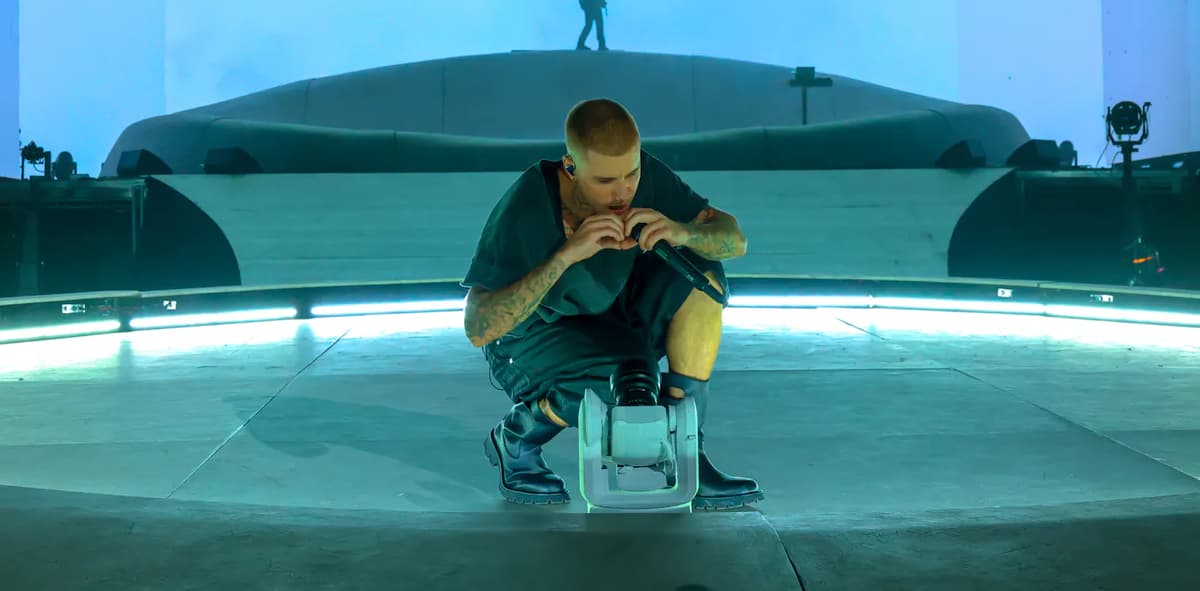
Justin Bieber’s Coachella appearance turned a traditional festival slot into a digital‑first performance experiment. By projecting a laptop screen, typing a YouTube search, and singing along to early‑era videos of "Baby" and "Favorite Girl," he merged the intimacy of a living‑room stream with the scale of a stadium stage. The move resonated with a livestream audience of nearly six million YouTube subscribers, while on‑site fans witnessed a deliberate interplay between live vocals and pre‑recorded backing tracks. This hybrid format sparked a polarized discourse: some praised the nostalgic nod to early internet culture, others dismissed it as a lazy shortcut.
Bieber’s stunt is not an isolated novelty; it sits within a decades‑long tradition of artists challenging the boundaries of live authenticity. In 1967, The Doors projected a television onto the stage to watch themselves, while Kraftwerk’s robotic personas in the 1970s and Deadmau5’s openly pre‑programmed DJ sets later questioned the necessity of real‑time musicianship. More recent holographic duets—Tupac at Coachella 2012 and Maria Callas with the Melbourne Symphony in 2023—have further blurred the line between presence and playback. Bieber’s use of his own YouTube archive extends this lineage, turning his viral past into a live‑stage collaborator.
The implications for the live‑music market are significant. As festivals grapple with rising production costs and audience appetite for immersive experiences, integrating curated digital content offers a cost‑effective way to amplify storytelling and extend brand reach. Artists can leverage existing online libraries to create layered narratives without additional touring logistics, while sponsors gain new placement opportunities within on‑screen graphics. However, the approach also raises questions about authenticity and fan expectations, prompting industry stakeholders to balance technological innovation with the timeless appeal of unfiltered performance. The debate sparked by Bieber’s set may well shape the next generation of concert design, where the line between live and pre‑recorded becomes a strategic asset rather than a point of contention.
Justin Bieber’s Coachella performance wasn’t ‘lazy’ – and actually references 50 years of music history
Comments
Want to join the conversation?
Loading comments...