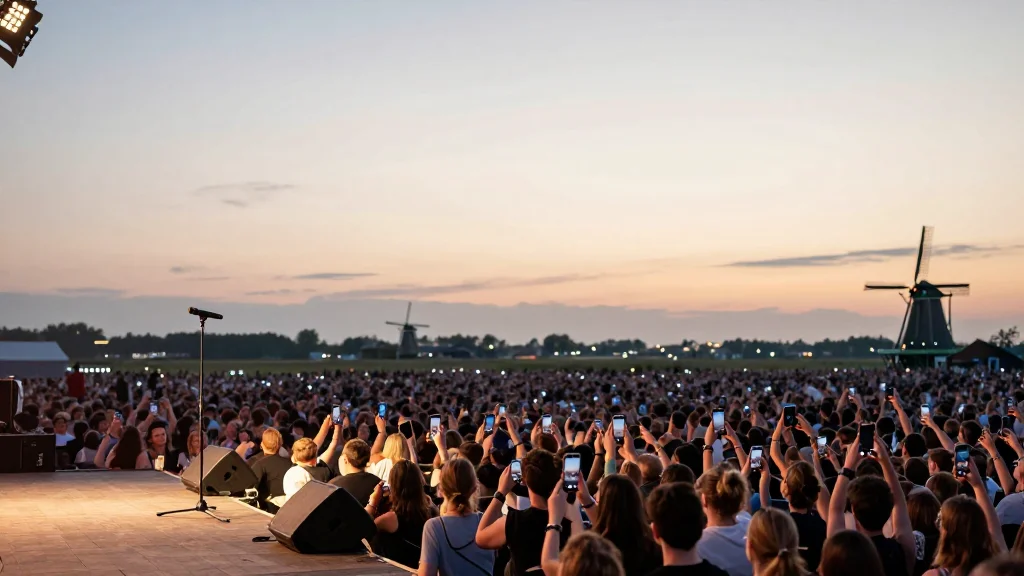
Kanye West Draws 40,000 Fans in Netherlands Concert Amid European Backlash

Why It Matters
The concert illustrates a fault line in the music industry: the tension between commercial imperatives and cultural responsibility. As artists become increasingly entwined with political discourse, promoters and venues must decide whether to prioritize revenue streams or uphold community standards. West’s ability to sell out a 40,000‑seat venue despite widespread condemnation suggests that fan loyalty can override institutional pressure, potentially reshaping how the industry handles future controversies. Beyond the immediate financial impact, the event may influence policy discussions around event licensing and hate‑speech regulations in Europe. If authorities begin to impose stricter conditions on artists deemed controversial, the live‑music ecosystem could see a shift toward more private, fan‑funded models, altering the traditional promoter‑artist relationship and affecting ticket pricing, accessibility, and the cultural diversity of live performances.
Key Takeaways
- •Kanye West performed to an estimated 40,000 fans in the Netherlands despite European boycotts.
- •Ticket sales were completed within hours, indicating strong demand despite controversy.
- •European cultural ministries condemned the concert as giving a platform to hateful rhetoric.
- •The event highlights a growing conflict between profit‑driven promoters and reputational risk management.
- •Future European dates may face stricter licensing or outright cancellations.
Pulse Analysis
West’s Dutch concert is a case study in the evolving power dynamics of the live‑music sector. Historically, promoters have acted as gatekeepers, deciding which artists could access large venues based on marketability and public sentiment. The rapid sell‑out of West’s tickets, however, demonstrates that fan‑driven demand can circumvent traditional gatekeeping, especially when artists tap into private financing or bypass corporate sponsorship. This shift could embolden other controversial acts to adopt a similar model, leveraging direct‑to‑fan sales platforms and social media hype to fill stadiums without mainstream backing.
From a market perspective, the event may accelerate a bifurcation in the industry: mainstream venues tightening contracts with morality clauses, while a parallel ecosystem of independent promoters and pop‑up venues emerges to serve niche, high‑demand audiences. This division could lead to price polarization, with premium, controversy‑driven shows commanding higher ticket prices, while risk‑averse events compete on safety and brand alignment. Investors and advertisers will need to monitor these trends closely, as brand association with contentious artists could affect sponsorship pipelines.
Looking forward, the West concert could serve as a bellwether for how European regulators respond to the intersection of free expression and hate speech in live entertainment. If authorities begin to impose licensing hurdles tied to an artist’s public statements, the industry may see a wave of legal challenges and a redefinition of what constitutes "acceptable" performance content. For now, the Dutch turnout proves that, at least in the short term, fan enthusiasm can outpace institutional resistance, reshaping the calculus for future bookings.
Kanye West Draws 40,000 Fans in Netherlands Concert Amid European Backlash
Comments
Want to join the conversation?
Loading comments...