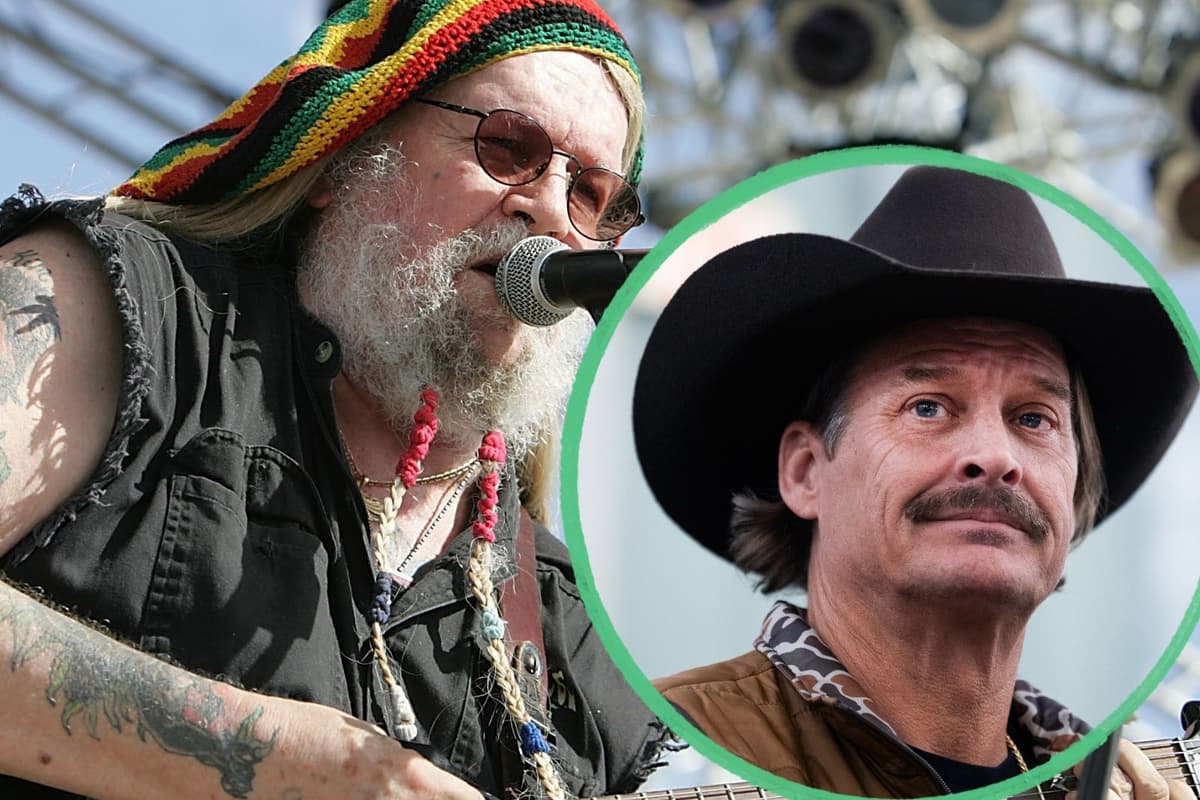
Kid Rock's Thoughts On David Allan Coe Underline Twisted Legacy
Why It Matters
The story underscores how outlaw country’s rebellious brand continues to shape modern rock‑country crossover acts, influencing fan loyalty and marketing narratives. It also fuels the broader debate on separating artistic contributions from personal controversies.
Key Takeaways
- •Kid Rock called Coe “as real as an outlaw can get.”
- •Coe penned hits for Tanya Tucker, Johnny Paycheck, George Jones, Chris Stapleton.
- •Controversial “Underground Album” sparked accusations of racism, which Coe denied.
- •Coe’s prison myths include teaching Charles Manson guitar and killing an inmate.
- •Both artists blend music success with legal troubles, shaping outlaw image.
Pulse Analysis
David Allan Coe’s career is a study in contradictions: a prolific songwriter whose compositions propelled other artists to chart‑topping success, yet whose own recordings were eclipsed by a reputation for incendiary lyrics and myth‑fueling prison anecdotes. Songs like “Take This Job and Shove It” and “Tennessee Whiskey” became country staples when re‑interpreted by Johnny Paycheck, George Jones and later Chris Stapleton, illustrating Coe’s lasting influence on the genre’s canon. At the same time, his self‑styled “Underground Album” and flamboyant claims—teaching Charles Manson guitar, alleged inmate murder—kept him entrenched in controversy, blurring the line between outlaw myth and reality.
Kid Rock’s recent homage highlights how that outlaw archetype resonates beyond traditional country circles. By aligning himself with Coe’s “real as an outlaw” ethos, Rock taps into a cultural narrative that values rebellious authenticity, even when it courts legal trouble or public backlash. Their shared history—Coe’s contribution to Rock’s 2003 album and mutual brushes with the law—serves as a branding tool that appeals to a fan base that prizes defiance as much as musical talent. This alignment also demonstrates how contemporary artists leverage legacy figures to reinforce a gritty, anti‑establishment image that differentiates them in a crowded market.
The broader industry implication is a renewed conversation about the cost of courting controversy. While the outlaw persona can drive engagement and loyalty, it also forces labels and platforms to navigate the fine line between celebrating artistic impact and condoning offensive behavior. As streaming algorithms and social media amplify polarizing figures, the Coe‑Rock parallel offers a cautionary tale: legacy can be both a powerful marketing asset and a liability, prompting executives to weigh cultural relevance against reputational risk.
Kid Rock's Thoughts On David Allan Coe Underline Twisted Legacy
Comments
Want to join the conversation?
Loading comments...