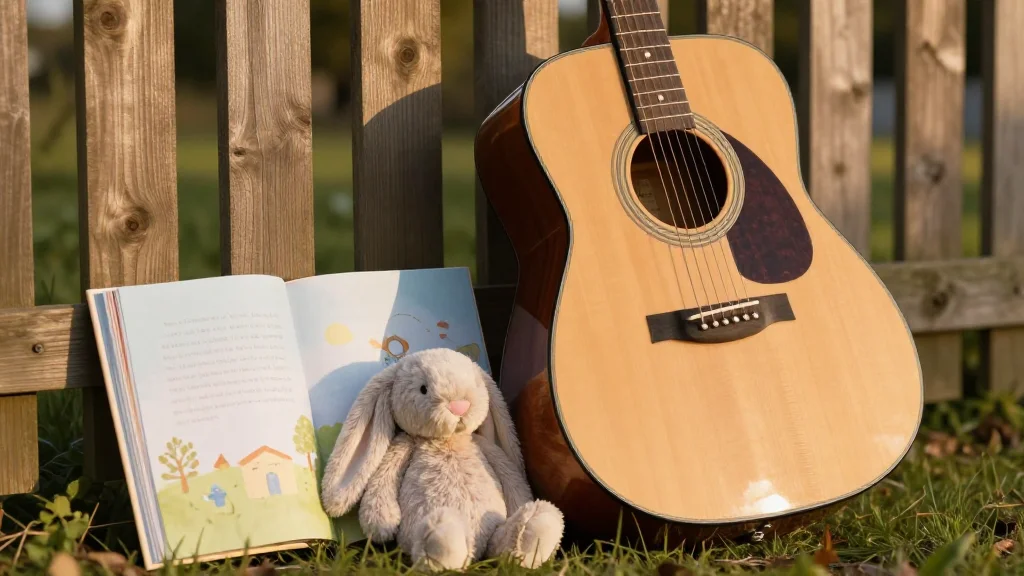
Laura Marling Drops Surprise Children’s Album “Laura Sings Raffi”

Why It Matters
Marling’s surprise children’s album underscores a shifting perception of kids’ music as a viable artistic outlet for seasoned musicians, not merely a novelty. By leveraging Raffi’s iconic catalog, she bridges generational gaps, offering parents a nostalgic entry point while delivering fresh, respectful renditions for a new audience. The release also highlights the commercial potential of family‑focused streaming playlists, which have grown substantially in the past year, suggesting that more legacy acts may view children’s projects as both creative and profitable. Beyond the immediate fan reaction, the album could influence how record labels allocate resources toward children’s‑music divisions, prompting greater investment in cross‑generational collaborations. If Marling’s venture proves successful, it may encourage other folk and indie artists to experiment with similar projects, diversifying the genre’s output and expanding its market reach.
Key Takeaways
- •Laura Marling surprise‑released ‘Laura Sings Raffi’ on June 5, 2026
- •Album features 17 tracks, mostly Raffi covers, plus select non‑Raffi songs
- •First new release since her 2024 album ‘Patterns In Repeat’
- •Marling cites a desire for “tolerable children’s music” and a long‑standing love of Raffi
- •Release taps a growing trend of legacy artists entering the children’s‑music market
Pulse Analysis
Laura Marling’s decision to issue a children’s album at this point in her career is both a strategic diversification and a cultural statement. Historically, folk musicians have been custodians of storytelling, a skill that translates naturally to the simple, narrative‑driven world of kids’ songs. By aligning with Raffi—a name synonymous with wholesome, sing‑along content—Marling not only accesses a ready‑made audience but also repositions her brand as family‑friendly without alienating her core adult fanbase.
The timing is noteworthy. Streaming platforms have amplified the visibility of family playlists, and advertisers are increasingly targeting the household listening environment. Marling’s low‑key promotional approach—releasing the album without a preceding single or press tour—mirrors the surprise‑drop tactics popularized in pop and hip‑hop, yet it feels especially apt for a genre that values authenticity over hype. This could set a template for other indie and folk artists who wish to experiment with children’s music without the pressure of a full‑scale marketing campaign.
Looking ahead, the album’s performance will likely inform label decisions on allocating budgets toward children’s‑music projects for mature artists. If streaming numbers and physical sales meet or exceed expectations, we may see a wave of similar releases, potentially reshaping festival line‑ups to include family‑oriented slots and prompting collaborations between legacy acts and contemporary children’s entertainers. Marling’s move, therefore, is not just a personal artistic choice—it may be an early indicator of a broader industry pivot toward multigenerational content.
Laura Marling drops surprise children’s album “Laura Sings Raffi”
Comments
Want to join the conversation?
Loading comments...