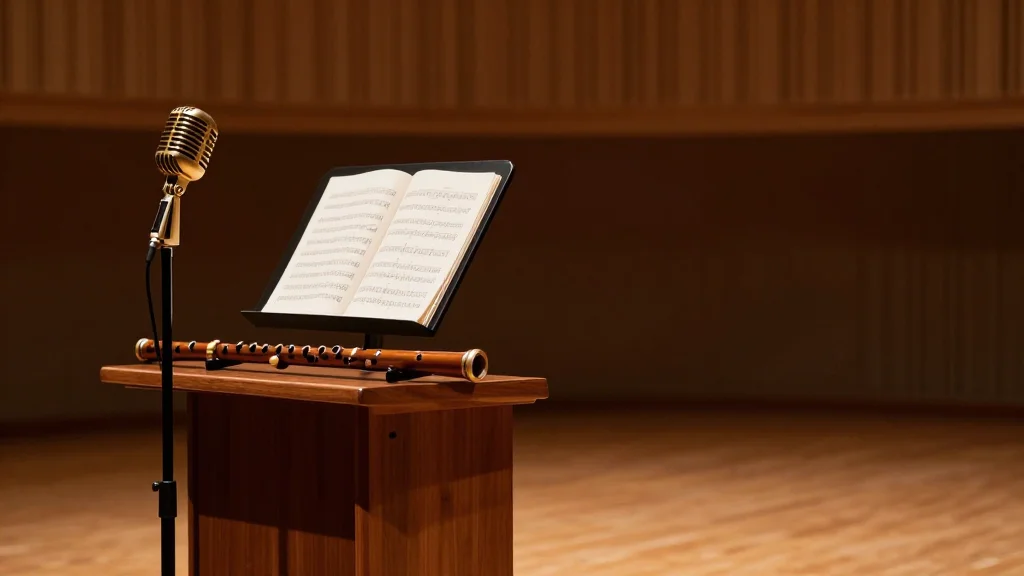
Liao Changyong to Debut New Chamber Arrangement for Chinese Art Song Centenary
Why It Matters
The project redefines Chinese art song presentation, positioning it for international stages and broader audience appeal. It signals a strategic cultural export that could reshape classical programming worldwide.
Key Takeaways
- •Liao introduces chamber orchestra to Chinese art songs
- •Shangyin Soloists feature award‑winning hornist Gu Cong
- •19‑song program blends tradition with symphonic texture
- •Concert launches European tour in Berlin, Hamburg June
- •Initiative aims to globalize Chinese lieder repertoire
Pulse Analysis
Chinese art song, often confined to piano‑voice settings, is undergoing a transformative shift as baritone Liao Changyong reimagines the genre with a chamber‑orchestra framework. By integrating wind, brass, and strings, Liao amplifies the emotional depth of century‑old repertoire, offering listeners a richer harmonic canvas. This approach aligns with a broader trend in classical music to diversify accompaniment, enhancing both acoustic nuance and audience engagement. The Shanghai Spring International Music Festival provides an ideal launchpad, drawing attention from domestic patrons and international observers alike.
The Shangyin Soloists, assembled from top faculty of the Shanghai Conservatory, bring unparalleled virtuosity to the project. Hornist Gu Cong, the first Chinese wind player to secure a tenured principal role in a major German orchestra, anchors the ensemble alongside seasoned bassoonist Liu Zhaolu and conductor Zhang Lu. Their collective expertise creates a "mini‑orchestral" texture that elevates the lyrical narratives of pieces like Liu Xue’an’s “Red Bean Song” and Huang Zi’s “Longing for Home.” This nuanced soundscape not only honors the literary roots of the works but also positions them for modern concert programming.
Beyond artistic innovation, Liao’s chamber model serves a strategic cultural diplomacy purpose. By preparing a standardized ensemble for performances in Berlin and Hamburg, the initiative seeks to introduce European audiences to the sophisticated heritage of Chinese vocal music, potentially opening new markets for Chinese composers and performers. Success could inspire similar adaptations of other regional art forms, fostering cross‑cultural collaborations and expanding the global classical repertoire. The project's momentum underscores a growing appetite for fresh, culturally rich programming in concert halls worldwide.
Liao Changyong to Debut New Chamber Arrangement for Chinese Art Song Centenary
Comments
Want to join the conversation?
Loading comments...