Why It Matters
The album showcases how immersive spatial audio can elevate experimental concepts, signaling a shift toward high‑tech, narrative‑driven experiences in the indie music market.
Key Takeaways
- •Album merges Borges' library paradox with simulation hypothesis.
- •Recorded as a single ambisonic performance using 49 speakers.
- •Shifts from pillowy art pop to expansive ambient drones.
- •Divided into two three‑track sections anchored by ‘Habitat’ intermission.
- •Critics note pop sensibility persists amid complex soundscapes.
Pulse Analysis
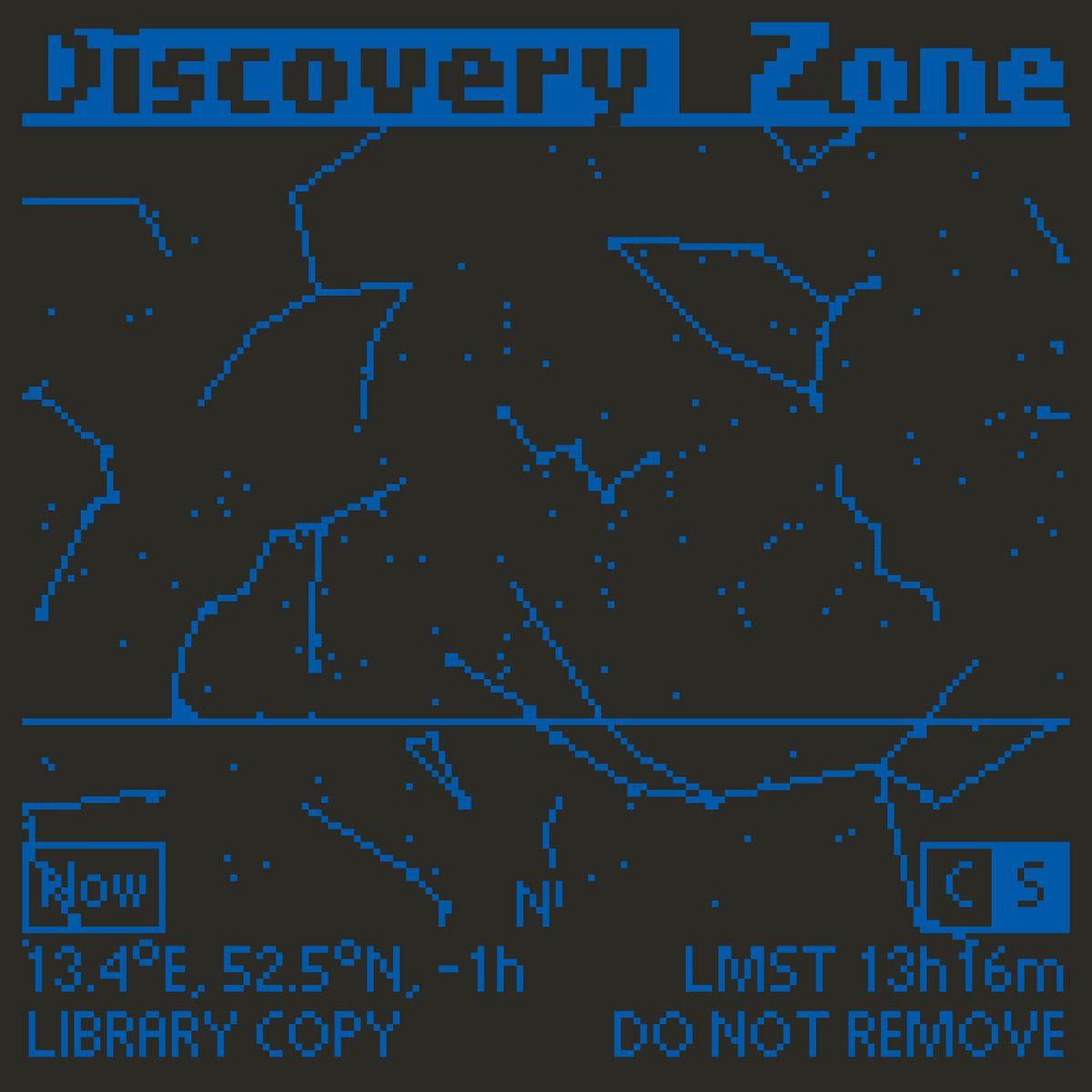
The rise of spatial‑audio formats is reshaping how artists deliver immersive experiences, and *Library Copy Do Not Remove* exemplifies this evolution. By recording a single performance in Berlin’s Zeiss‑Großplaneterium, Weihl leveraged a 49‑speaker ambisonic dome to create a three‑dimensional sound field that transcends traditional stereo mixes. This approach aligns with a broader industry trend where venues and streaming platforms invest in binaural and multichannel technologies, offering listeners a sense of presence that mirrors live concerts while retaining studio‑level precision.
Beyond its technical feats, the album weaves literary and philosophical threads into its sonic fabric. Drawing on Jorge Luis Borges’s infinite library concept, Weihl explores the simulation hypothesis—a theory gaining traction in both scientific circles and pop culture. By translating these abstract ideas into layered drones, arpeggiated synths, and field recordings, the project invites listeners to contemplate reality’s nature while being enveloped in a meticulously crafted auditory environment. This fusion of high concept and sound design reflects a growing appetite for music that doubles as intellectual provocation.
For the music business, such projects signal new revenue and engagement models. Immersive releases can command premium pricing, attract sponsorships from tech firms, and generate ancillary content for VR/AR platforms. As artists like Weihl push the boundaries of what an album can be, record labels and streaming services will need to adapt distribution pipelines, metadata standards, and royalty structures to accommodate multichannel formats. The success of *Library Copy Do Not Remove* may therefore catalyze broader adoption of immersive audio, reshaping both creative workflows and commercial strategies.
Library Copy Do Not Remove
Comments
Want to join the conversation?
Loading comments...