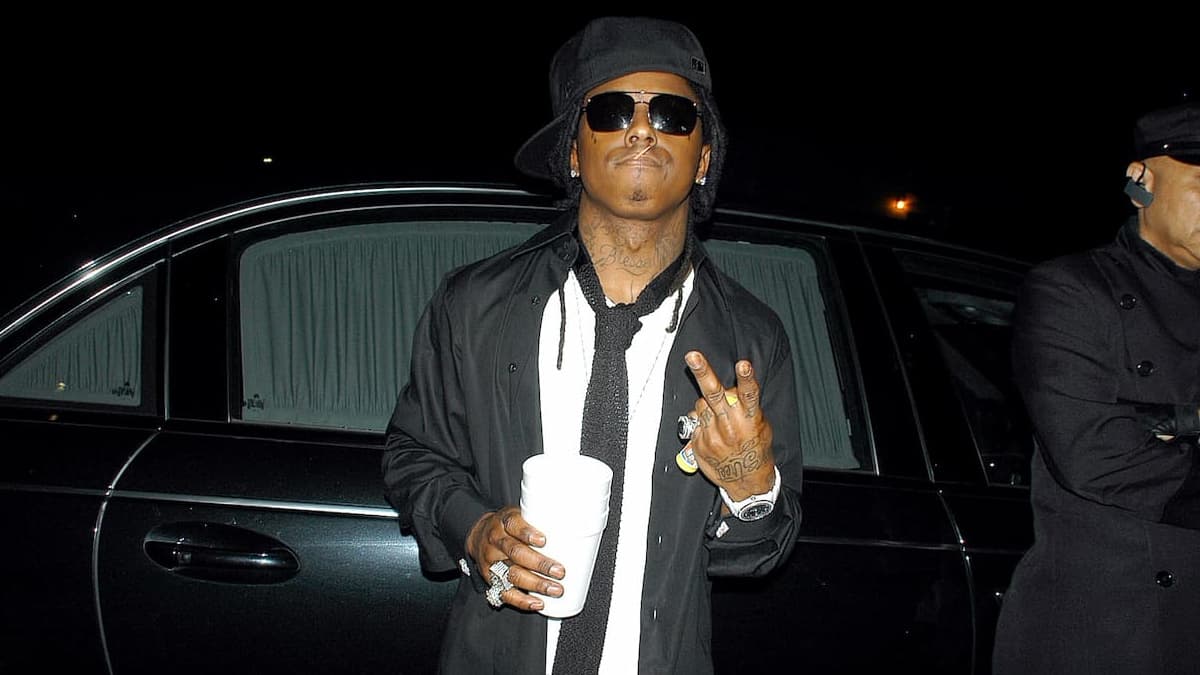
Lil Wayne Explains Why He Had So Many Feature Verses Back in 2007: ‘Talk to Me Like You Talking to Martin Luther King or Malcolm X’
Why It Matters
Wayne’s candid stance highlights how hip‑hop artists monetize features, shaping industry norms around pricing, branding, and cross‑promotion. It underscores the business calculus behind artistic collaborations in the streaming era.
Key Takeaways
- •Lil Wayne charged fees for 2007 feature verses, prioritizing revenue.
- •He likened his negotiation stance to treating collaborators like legends.
- •Wayne argued constant features boost brand visibility and long‑term earnings.
- •Critics feared overexposure, but Wayne saw it as work ethic.
- •His stance reflects broader hip‑hop monetization trends in the mid‑2000s.
Pulse Analysis
Lil Wayne’s 2007 interview offers a rare glimpse into the financial mechanics of hip‑hop collaborations. At the height of his mixtape dominance, Wayne treated each guest appearance as a transaction, demanding payment that matched his market value. This approach turned his prolific feature slate into a revenue engine, allowing him to fund lavish expenditures—symbolized by his “million‑dollar bus”—and reinforce his brand across multiple fan bases. By positioning himself as a negotiator rather than a gratuitous guest, he set a precedent for artists to monetize their name equity beyond album sales.
The business implications of Wayne’s strategy ripple through today’s music ecosystem. Modern artists now routinely negotiate feature fees, leveraging streaming data to justify higher payouts. Wayne’s analogy to speaking with historic leaders underscores a mindset that demands respect and compensation commensurate with influence. This mindset has encouraged record labels and managers to formalize feature contracts, turning what was once informal bartering into a structured revenue stream. Moreover, his relentless presence on other artists’ tracks amplified his streaming footprint, illustrating how cross‑promotion can boost chart performance and royalty accrual.
Wayne’s philosophy also reflects a broader shift toward entrepreneurship within hip‑hop. By treating his verses as a product line, he exemplified the gig‑economy model that many contemporary creators adopt—diversifying income through brand partnerships, merchandise, and strategic collaborations. The lesson for today’s musicians is clear: consistent, well‑priced features can expand audience reach while safeguarding financial stability. As streaming platforms continue to dominate, the ability to monetize every touchpoint, from a feature verse to a social media cameo, becomes a critical competitive advantage in the music business.
Lil Wayne Explains Why He Had So Many Feature Verses Back in 2007: ‘Talk to Me Like You Talking to Martin Luther King or Malcolm X’
Comments
Want to join the conversation?
Loading comments...