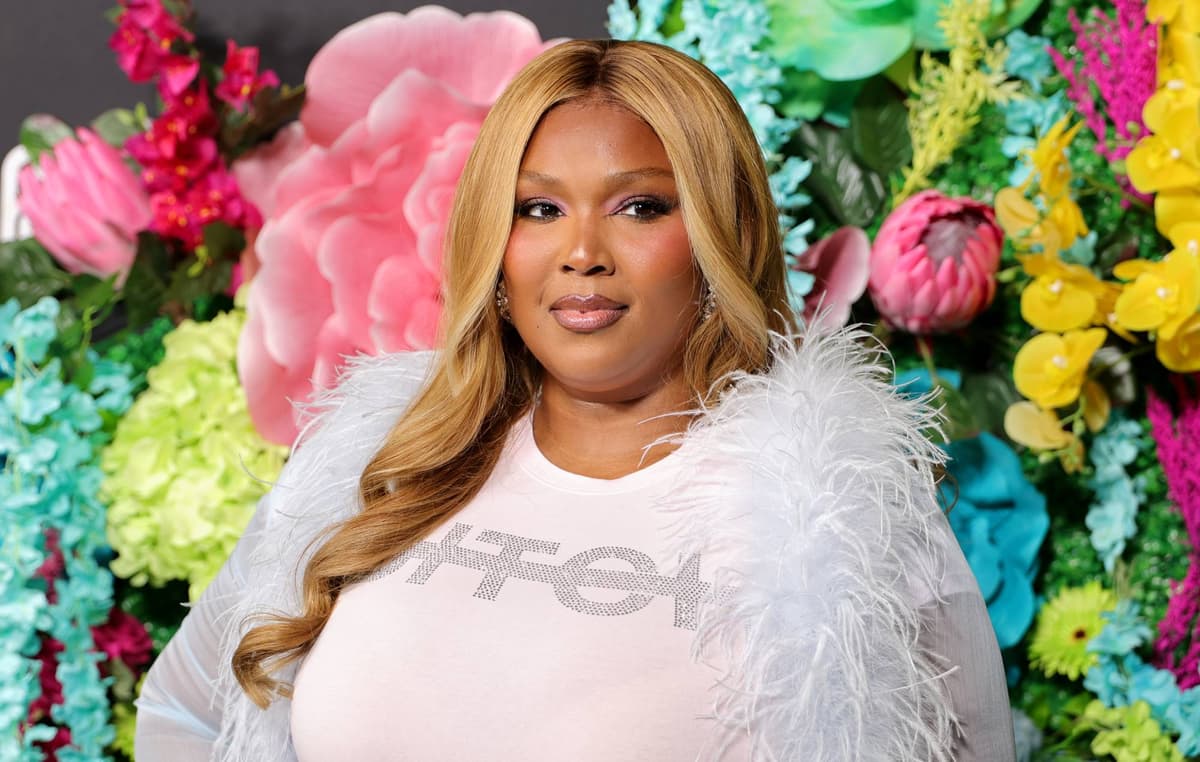
Lizzo Hits Out at “Racist and Fatphobic” Algorithms for “Destroying the Music Industry” And Her Album Promo
Why It Matters
Algorithmic bias threatens the core of music marketing, forcing artists to seek new channels to reach audiences. Lizzo’s high‑profile push highlights a broader industry risk that could reshape promotional budgets and platform negotiations.
Key Takeaways
- •Lizzo criticizes TikTok algorithm as racist and fatphobic.
- •Algorithm changes disrupt chronological music promotion, hurting album rollout.
- •Upcoming album “Bitch” drops June 5, first since 2022.
- •Lizzo’s private 280k‑follower page not reaching fans due to algorithm.
- •Ongoing lawsuit with former dancers adds legal distraction.
Pulse Analysis
The rise of algorithm‑driven feeds on TikTok, Instagram and other platforms has shifted content delivery from a simple chronological order to a complex engagement model. While this can surface trending material, critics argue it amplifies existing biases, privileging certain demographics and marginalizing others. Lizzo’s claim that the algorithm is "racist" and "fatphobic" taps into a growing discourse about how machine‑learning systems inherit the prejudices of their training data, potentially skewing which songs surface to listeners and which artists receive organic exposure.
For musicians, the algorithm is now a gatekeeper. Traditional rollout strategies—single releases, coordinated press, and fan‑first announcements—rely on predictable visibility. Lizzo’s experience, where even a private audience of 280,000 followers fails to see her posts, illustrates how the lack of chronological order can dilute hype cycles and delay discovery. Her upcoming album Bitch, set for June 5, may therefore depend more on paid boosts, playlist placements, or alternative platforms to compensate for the algorithmic blind spot. The situation underscores a broader industry challenge: balancing data‑driven promotion with equitable reach for diverse creators.
Artists and labels are responding by diversifying distribution channels, investing in direct‑to‑fan newsletters, and lobbying for greater algorithmic transparency. Lizzo’s simultaneous legal battle with former dancers adds another layer of complexity, as negative publicity can further erode algorithmic favorability. As the music business grapples with these dynamics, the push for clearer, bias‑mitigated algorithms could become a strategic priority, influencing future contracts, platform partnerships, and the very economics of music promotion.
Lizzo hits out at “racist and fatphobic” algorithms for “destroying the music industry” and her album promo
Comments
Want to join the conversation?
Loading comments...