Why It Matters
The conclusion of the OPVS NOIR saga demonstrates how a niche act can translate underground credibility into global touring and mainstream visibility, reshaping the gothic‑rock market. It also signals a strategic pivot that could influence upcoming releases across the alternative‑metal scene.
Key Takeaways
- •Vol.3 caps OPVS NOIR trilogy with 33 songs
- •Tour spanned 45 countries, boosting international profile
- •Features collaborations with Wednesday 13, Xandria, Saltatio Mortis
- •Band leveraged Eurovision success for broader market reach
- •Future plans hinted, but no official hiatus announced
Pulse Analysis
Lord of the Lost’s “OPVS NOIR Vol. 3” marks a bold artistic culmination, but its significance extends beyond the music itself. By releasing a 33‑track album that blends gothic darkness with orchestral brightness, the band illustrates how prolific songwriting can fuel a multi‑part narrative without sacrificing cohesion. The project’s collaborative roster—spanning Greek symphonic metal, German medieval metal, and American horror‑punk—highlights a growing trend of cross‑genre partnerships that expand fan bases and generate streaming synergies across niche markets.
The commercial impact of the trilogy is equally noteworthy. After a high‑profile Eurovision appearance and two sold‑out shows with Iron Maiden, Lord of the Lost leveraged that momentum into a 45‑country tour, translating stage exposure into measurable growth in ticket sales, merchandise revenue, and social‑media engagement. This trajectory underscores how strategic media moments can serve as launchpads for sustained international touring, a model other alternative acts are beginning to emulate. Moreover, the band’s decision to retain tracks that might have been cut in a single‑album format demonstrates an emerging willingness to prioritize artistic breadth over conventional market constraints.
Looking ahead, the band’s cryptic hints about a “working title” and new visual concepts suggest a deliberate pause for creative recalibration rather than a true hiatus. In an industry where genre boundaries blur and fan expectations evolve rapidly, Lord of the Lost’s ability to oscillate between darkness and optimism positions them as a case study in adaptive branding. Their upcoming moves will likely influence how gothic‑rock and broader metal subcultures approach long‑term storytelling, collaborative ventures, and the balance between niche authenticity and mainstream appeal.
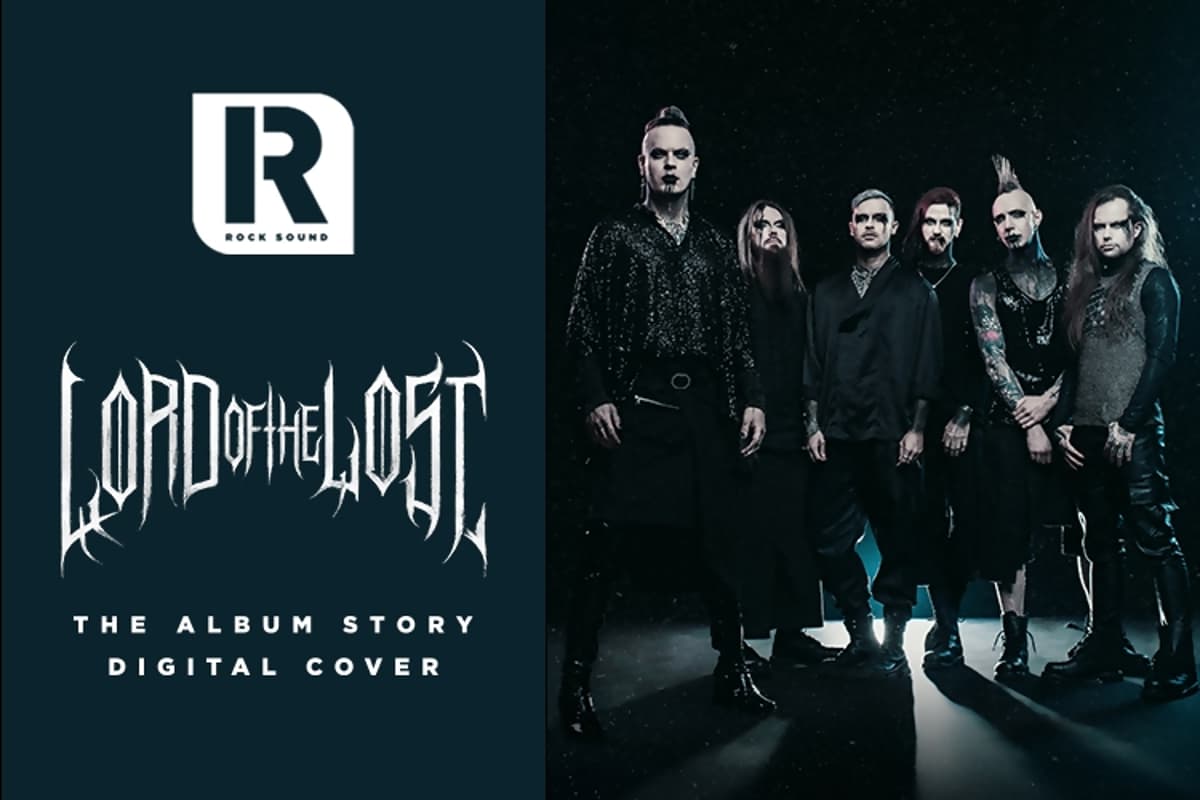
Lord of the Lost ‘OPVS NOIR Vol. 3’ | The Album Story
Comments
Want to join the conversation?
Loading comments...