Why It Matters
The album showcases how socially conscious, globally sourced dance music can achieve mainstream visibility, signaling a shift toward inclusive pop production in the industry.
Key Takeaways
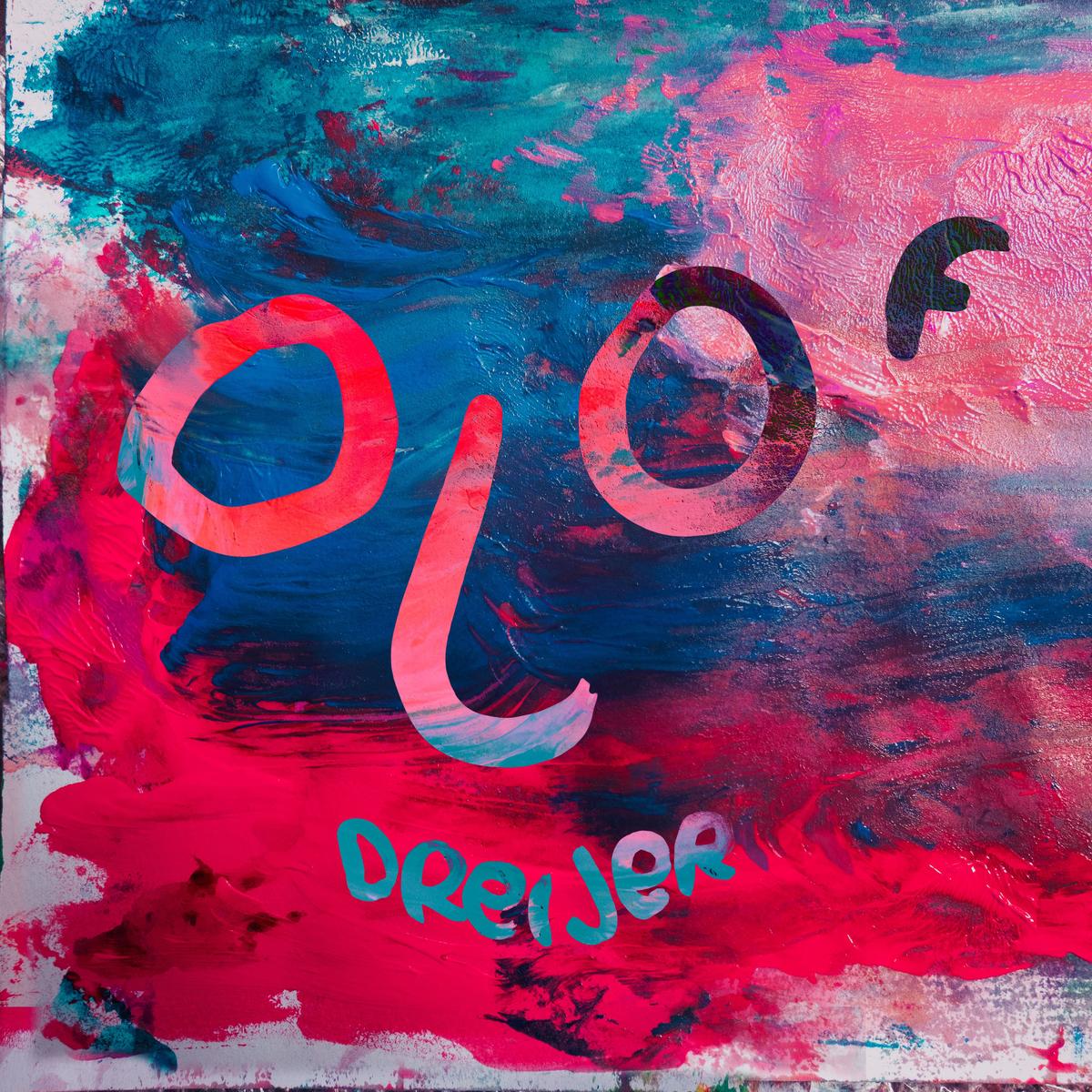
- •Olof Dreijer releases debut solo album "Loud Bloom" after 20‑year career
- •Album blends kuduro, gqom, batida, steel drums, multilingual vocals
- •Features guests: Diva Cruz, Toya Delazy, Sudanese singer MaMan
- •Emphasizes anti‑colonial, inclusive dance music ethos
- •Critics note lack of stylistic evolution despite fresh collaborations
Pulse Analysis
Olof Dreijer’s career has been defined by anonymity and activism as much as by his groundbreaking work with The Knife. After two decades of operating behind the scenes—running a refugee music school in Berlin, remixing for artists such as Björk and Rosalía, and releasing limited techno 12‑inches under the moniker Oni Ayhun—Dreijer resurfaced as a solo artist with “Loud Bloom.” The album marks a rare moment when a veteran of the avant‑electronic underground steps into the mainstream spotlight, offering a case study in how artistic integrity can coexist with commercial release cycles.
The sonic palette of “Loud Bloom” reads like a world‑map of contemporary club styles. Dreijer layers the rapid percussive bursts of Angolan kuduro, South African gqom, and Brazilian batida with the bright timbre of steel drums, while synth lines twist in a deliberately un‑Western fashion. Multilingual verses in Spanish, Arabic and Zulu further dissolve geographic boundaries, and collaborations with Diva Cruz, Toya Delazy and Sudanese pop star MaMan turn the record into a platform for under‑represented voices. In doing so, Dreijer turns the dancefloor into a subtle act of cultural resistance, challenging the dominance of Euro‑American pop formulas.
From an industry perspective, “Loud Bloom” signals a growing appetite for globally sourced club music that does not dilute its origins. Streaming platforms have already rewarded playlists that feature Afro‑Latin and African electronic tracks, and Dreijer’s high‑profile entry could accelerate label investment in similar cross‑cultural projects. Moreover, the album’s emphasis on social consciousness aligns with a broader consumer shift toward ethical branding, suggesting that future releases may be evaluated as much for their cultural narrative as for chart performance. Whether “Loud Bloom” reshapes mainstream dance trends remains to be seen, but it undeniably expands the conversation about inclusivity in pop production.
Loud Bloom
Comments
Want to join the conversation?
Loading comments...