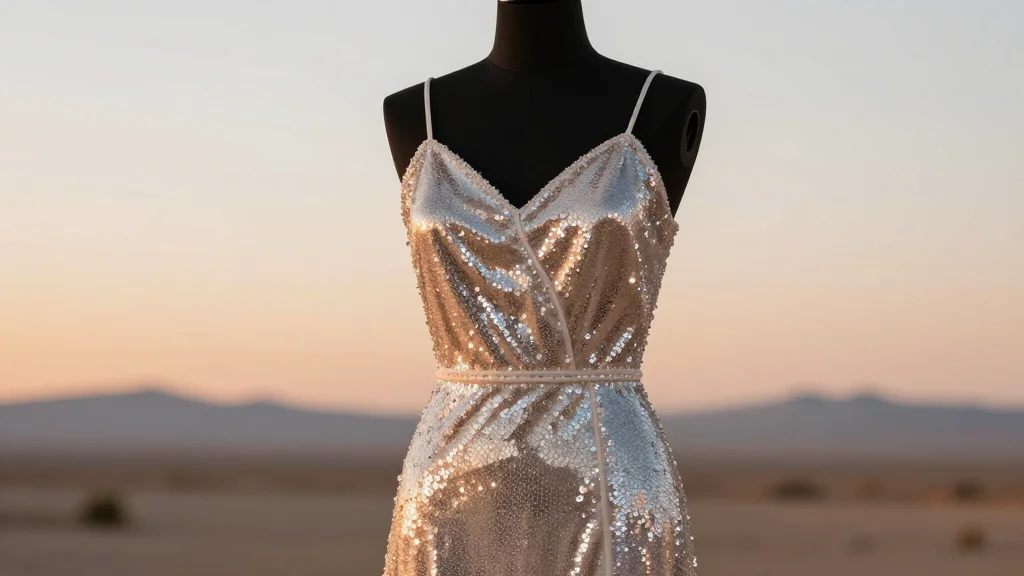
Madonna’s Vintage Coachella Costumes Stolen, Tour Plans Remain Unclear

Companies Mentioned
Why It Matters
The disappearance of Madonna’s vintage costumes highlights the vulnerability of cultural artifacts tied to music history, raising questions about how artists safeguard their legacy items during live performances. Moreover, the uncertainty surrounding a potential tour adds a layer of speculation that could affect ticket sales, festival line‑ups, and the commercial rollout of Confessions II, a project that aims to bridge her 2000s dance‑pop legacy with contemporary electronic collaborators. If a tour is eventually announced, it could set a precedent for legacy artists leveraging surprise festival moments to reignite touring cycles, while also prompting industry‑wide reassessments of security protocols for high‑value wardrobe and memorabilia. Conversely, prolonged ambiguity may shift focus to streaming and digital promotion, influencing how veteran pop stars monetize new releases in an era where live revenue is increasingly pivotal.
Key Takeaways
- •Madonna announced theft of vintage costumes from her personal archives after Coachella set
- •Manager Guy Oseary said he is "not sure yet" about a new tour supporting Confessions II
- •Costumes included a lavender corset, lace‑up boots, and a Gucci jacket from her 2006 performance
- •Confessions II album releases July 3, with lead single "I Feel So Free" already out
- •Madonna offered a reward for the return of the stolen items and urged public assistance
Pulse Analysis
Madonna’s dual crisis—wardrobe theft and touring indecision—offers a microcosm of the challenges faced by legacy pop acts in the streaming era. On one hand, the loss of iconic garments underscores the intangible value of physical artifacts that fans associate with an artist’s mythos. As music consumption shifts toward digital platforms, tangible memorabilia become rarer yet more prized, turning them into high‑risk assets. The incident may push managers and venues to adopt stricter inventory controls, possibly employing RFID tagging or dedicated security teams for archival pieces, a practice already common in museum circles but less so in touring logistics.
On the other hand, Oseary’s non‑committal stance on touring reflects a strategic calculus. A full‑scale tour could capitalize on the buzz generated by the surprise Coachella appearance, driving ticket revenue and reinforcing Madonna’s relevance to younger audiences introduced via Carpenter’s fanbase. However, the logistics of staging a tour that incorporates vintage wardrobe—now compromised—could increase production costs and risk further exposure. The manager’s emphasis on Madonna’s happiness suggests a flexible approach: perhaps a limited series of festival slots rather than a traditional arena leg, aligning with the current trend of legacy artists favoring high‑impact, low‑commitment engagements.
Looking ahead, the outcome of the costume investigation and any touring announcement will likely influence how other veteran artists plan album cycles. If Madonna opts for a modest, festival‑centric rollout, it could signal a shift toward curated, event‑based promotion for legacy acts, balancing nostalgia with modern consumption habits. Conversely, a full tour would reaffirm the enduring power of live performance as a revenue engine, even for artists whose catalog spans decades. Either path will shape industry expectations for how legacy pop icons navigate the intersection of heritage, security, and commercial viability in 2026.
Madonna’s Vintage Coachella Costumes Stolen, Tour Plans Remain Unclear
Comments
Want to join the conversation?
Loading comments...