Companies Mentioned
Why It Matters
Madruga showcases a growing shift toward boutique, community‑centric festivals that challenge the dominance of large promoters, offering a blueprint for higher‑engagement live experiences. Its independent model could reshape revenue expectations and artist‑fan dynamics in the UK and beyond.
Key Takeaways
- •Festival merges mansion party vibe, removes traditional backstage area
- •Artists like Egyptian Lover and Eris Drew headline intimate July lineup
- •Independent ownership lets organizers prioritize community over corporate profit
- •Limited capacity creates exclusive experience, driving higher ticket premiums
- •UK boutique festivals may inspire similar grassroots events worldwide
Pulse Analysis
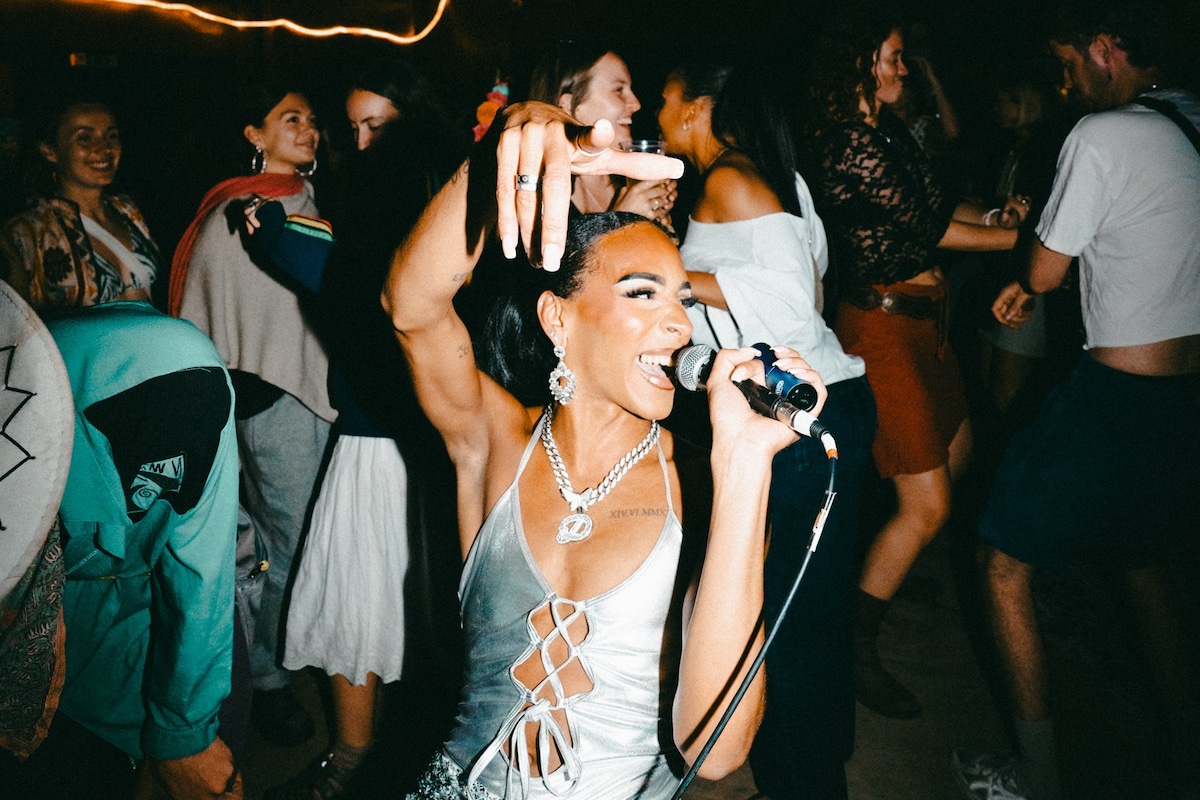
Madruga’s design flips the conventional festival script by discarding the backstage curtain and inviting performers to mingle directly with the crowd. Set on a Welsh estate, the event leverages the intimacy of a private house party while retaining the scale of an outdoor rave. This hybrid model not only heightens the sensory immersion for attendees but also reduces logistical overhead associated with separate artist zones, allowing resources to be redirected toward production quality and curated experiences.
The rise of independent, boutique festivals like Madruga reflects a broader industry trend where audiences crave authenticity and connection over mass‑market spectacle. As streaming erodes recorded‑music revenue, live events have become the primary growth engine for artists and promoters alike. Smaller, community‑focused gatherings can command premium ticket prices, thanks to their perceived exclusivity and the promise of a more personal interaction with headline acts. Moreover, operating outside the corporate ecosystem grants organizers flexibility to experiment with programming, sustainability practices, and revenue sharing models that better serve both creators and fans.
For the wider live‑music market, Madruga signals a potential pivot point. If the festival succeeds in delivering high‑engagement experiences while maintaining financial viability, it could inspire a wave of similar ventures across Europe and North America. However, scaling such concepts poses challenges, including securing consistent funding, navigating local regulations, and ensuring safety without the infrastructure of larger promoters. Nonetheless, the event’s emphasis on community and artistic integration offers a compelling case study for investors and cultural policymakers seeking to revitalize the concert economy in a post‑pandemic world.
Madruga, the UK dance festival with no backstage
Comments
Want to join the conversation?
Loading comments...