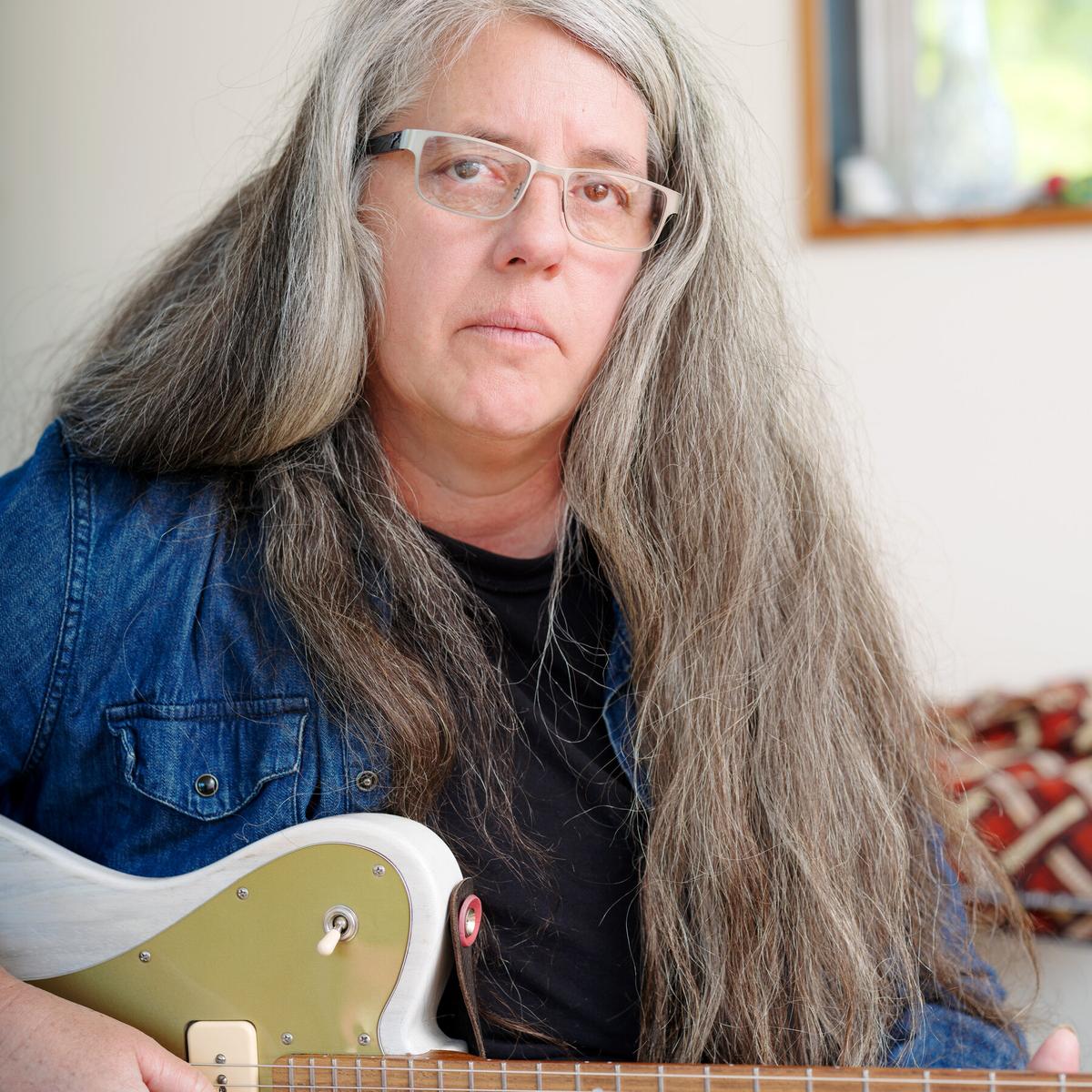
Marisa Anderson’s (Tunefully) Un-American Activities
Why It Matters
Preserving and re‑contextualizing these rare recordings expands the global folk canon and offers contemporary artists fresh source material, while prompting deeper dialogue about music’s role in colonial histories.
Key Takeaways
- •Anderson digitized ~90 rare global folk LPs in nine days
- •Project funded by Tulsa Artist Fellowship
- •Focused on records from Africa, Asia, and Indigenous cultures
- •Liner notes link music to colonial and imperial histories
- •Upcoming album will feature these newly digitized tracks
Pulse Analysis
Harry Smith’s 1952 "Anthology of American Folk Music" reshaped mid‑century popular culture, inspiring icons from Bob Dylan to the folk‑rock revival. Yet Smith’s broader collection, tucked away at the Bob Dylan Center, contains a trove of non‑American recordings that have remained largely invisible. Marisa Anderson, known for her genre‑bending guitar work, recognized the untapped potential of these global artifacts and set out to bring them into the digital age.
Over a focused nine‑day stint, Anderson employed a two‑turntable setup to preview and capture each LP in real time, a logistical challenge she likened to solving a math problem. Backed by the Tulsa Artist Fellowship, she aimed to process about 90 albums, prioritizing records from regions such as Niger, Southeast Asia, and Indigenous North American communities—areas often marginalized in mainstream music archives. By converting analog grooves into high‑resolution digital files, she not only safeguards fragile media but also creates a searchable repository for scholars, curators, and musicians seeking authentic source material.
The resulting body of work will anchor Anderson’s forthcoming album, which pairs the newly digitized tracks with contemporary arrangements and commentary on colonial legacies. This fusion offers listeners a rare auditory window into how music migrates, adapts, and resists imperial narratives. For the broader industry, the project underscores a growing appetite for world‑folk revival and highlights the commercial and cultural value of resurrecting overlooked recordings. As more artists explore archival mining, the line between preservation and creation blurs, promising richer, more inclusive soundscapes for global audiences.
Marisa Anderson’s (Tunefully) Un-American Activities
Comments
Want to join the conversation?
Loading comments...