Key Takeaways
- •Wyatt formed Matching Mole after leaving Soft Machine in 1971.
- •The 1972 debut blends prog rock, free jazz, and vocal experimentation.
- •Album showcases Wyatt's dual role as drummer and lead vocalist.
- •Matching Mole influenced later avant‑garde and indie musicians.
Pulse Analysis
The early 1970s Canterbury scene was a hotbed of musical cross‑pollination, and Robert Wyatt’s exit from Soft Machine marked a turning point. By recruiting fellow scene veterans, Wyatt created Matching Mole, a quartet that distilled the experimental ethos of the era into a single, tightly crafted album. The group’s chemistry allowed Wyatt to explore rhythmic complexity while maintaining his signature vocal style, resulting in a record that feels both immediate and forward‑looking.
Musically, the eponymous debut pushes boundaries through its juxtaposition of structured pop deconstruction and free‑form mellotron improvisations. Tracks oscillate between tight, drum‑driven verses and sprawling, jazz‑inflected passages, showcasing Wyatt’s willingness to treat the human voice as another instrument in the mix. Critics have praised the album for its wit and cohesion, noting that it captures the restless creativity of early avant‑prog without sacrificing accessibility—a balance that has kept it relevant across decades.
Decades later, Matching Mole’s influence reverberates in modern indie and experimental circles, prompting frequent reissues on vinyl and high‑resolution streaming platforms. The album’s resurgence underscores a broader market trend where legacy progressive records generate new revenue streams through curated playlists and boutique pressings. For collectors and new listeners alike, the 1972 debut offers a case study in how artistic risk can translate into enduring cultural and commercial value.
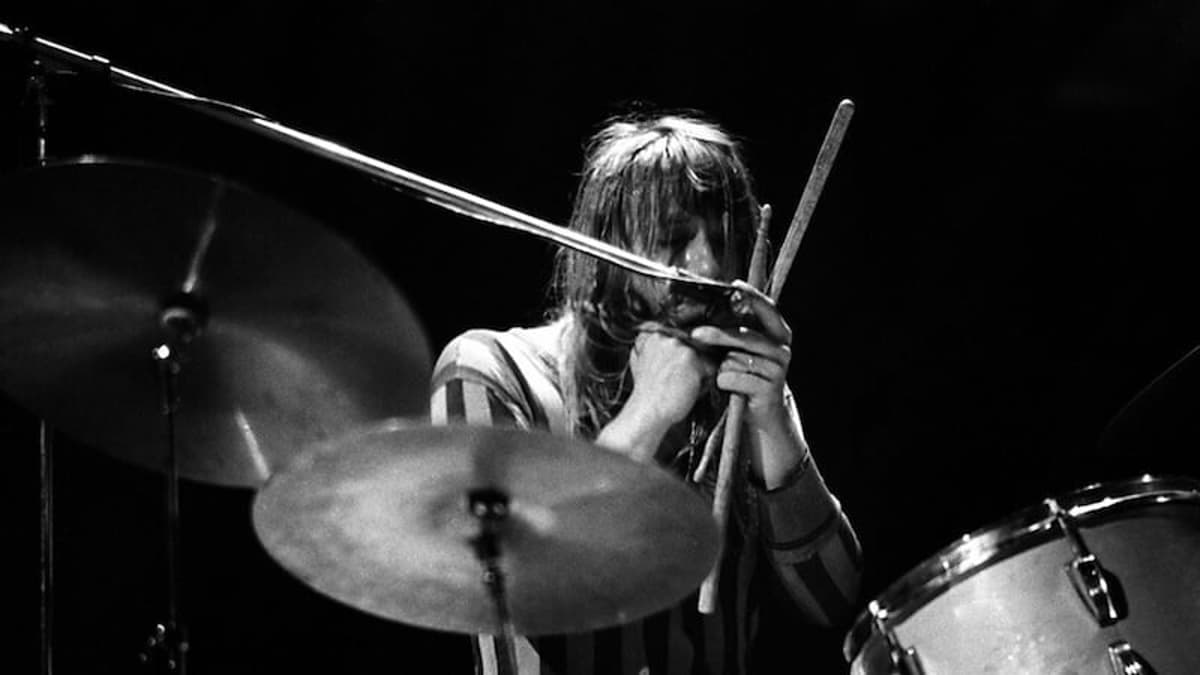
Matching Mole :: S/T (1972)
Comments
Want to join the conversation?