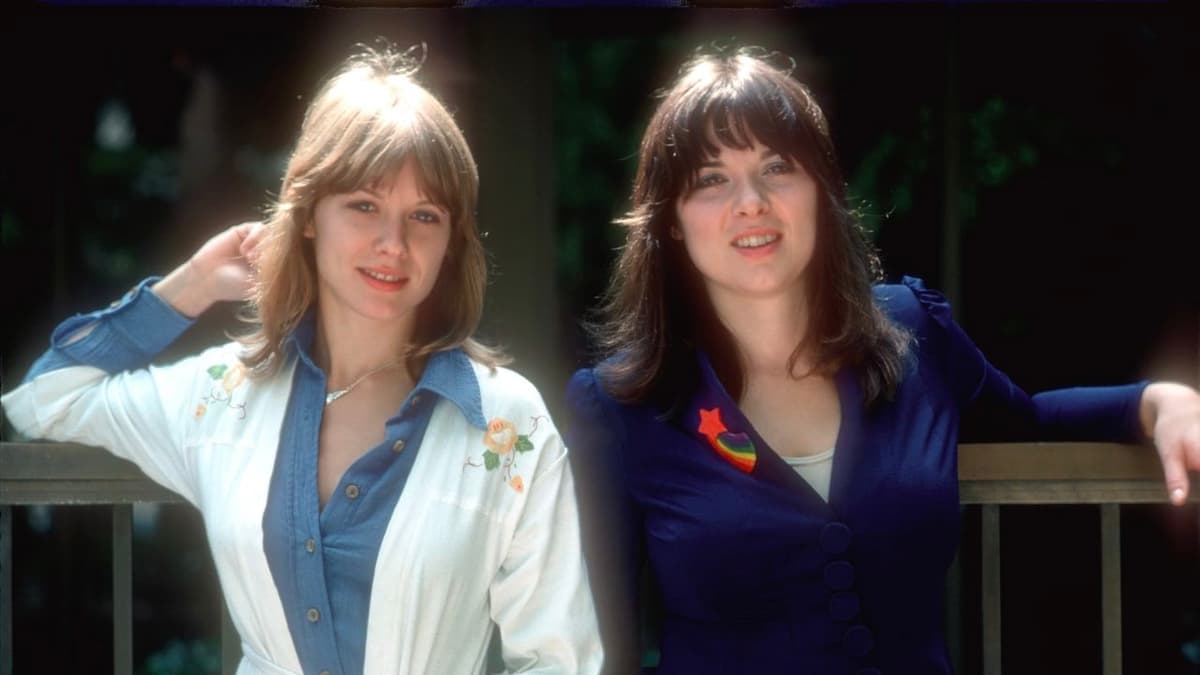
"Men Could Make You Feel Like You Were Really Silly for Even Trying." Heart's Ann Wilson Recalls the Sexism of the '70s Rock Scene
Why It Matters
The documentary spotlights gender bias in classic rock, reinforcing the need for more inclusive narratives and inspiring a new generation of female musicians.
Key Takeaways
- •Ann Wilson's documentary "In My Voice" premieres May 11 in Seattle
- •Film uses home movies, photos, and unseen Heart footage
- •Wilson highlights 1970s rock sexism and female resilience
- •North American tour supports documentary with screenings in eight cities
- •Documentary adds to growing archive of women’s rock history
Pulse Analysis
Ann Wilson’s career mirrors the evolution of American rock, from the early 1970s when Heart broke into a male‑dominated arena to today’s renewed focus on gender equity in music. While the band’s hits like “Barracuda” cemented their place in classic‑rock canon, Wilson’s recollections reveal a backstage culture where women were routinely dismissed or belittled. By recounting personal anecdotes and citing peers who struggled to be heard, the documentary contextualizes a broader pattern of systemic sexism that shaped the era’s creative output.
*In My Voice* distinguishes itself through intimate archival material—home videos, diary entries, and unreleased concert reels—that give viewers a first‑person perspective rarely seen in rock documentaries. This approach not only humanizes Wilson’s journey but also serves as a visual record of a pivotal moment in music history, preserving stories that have long been marginalized. The film’s narrative arc, from teenage fascination with The Beatles to commanding the stage with Heart, underscores the resilience required for women to claim space in a genre that often prioritized male virtuosity.
The accompanying tour, featuring screenings in Seattle, Vancouver, Chicago, Cleveland, Nashville, New York, Bethel Woods, Toronto, and Boston, amplifies the documentary’s impact by fostering community dialogue around gender dynamics in the industry. As streaming platforms and live events increasingly spotlight underrepresented voices, Wilson’s project aligns with a growing market demand for authentic, inclusive storytelling. For industry stakeholders, the film offers both a case study in leveraging legacy content for modern audiences and a reminder that addressing past inequities can unlock fresh commercial and cultural opportunities.
"Men could make you feel like you were really silly for even trying." Heart's Ann Wilson recalls the sexism of the '70s rock scene
Comments
Want to join the conversation?
Loading comments...