Why It Matters
If audiences lose faith in algorithm‑driven hype, record labels risk a credibility crisis that could reshape how music is promoted and consumed.
Key Takeaways
- •Chaotic Good hires hundreds of fake accounts to boost song virality
- •Clients include Justin Bieber, Dua Lipa, and indie acts like Geese
- •Trend simulation mimics historic astroturfing, claque applause, and payola schemes
- •Algorithm gaming raises doubts about authenticity and long‑term fan trust
- •Backlash could push music culture toward a post‑TikTok authenticity wave
Pulse Analysis
The rise of trend simulation reflects a shift from organic discovery to engineered virality. By paying thousands of micro‑influencers and bots to post “authentic‑looking” videos, firms like Chaotic Good manipulate TikTok’s recommendation engine, turning a song’s algorithmic momentum into a self‑fulfilling prophecy. This practice blurs the line between genuine fan enthusiasm and paid hype, making it harder for listeners to trust the source of their next soundtrack. For marketers, the payoff is short‑term visibility; for artists, the risk is being labeled a product of manipulation rather than talent.
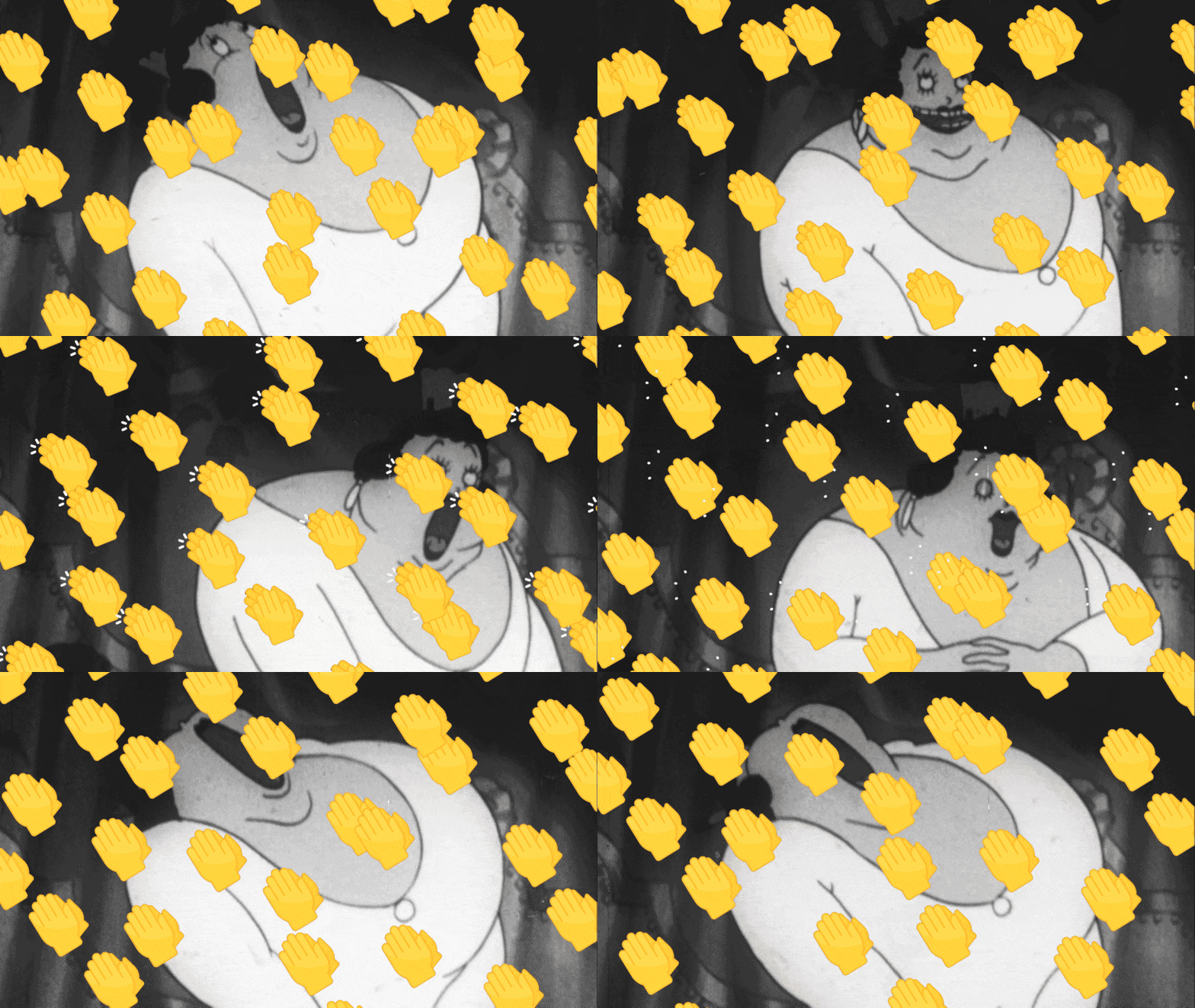
While the tools have evolved, the underlying strategy mirrors tactics from earlier eras. In the early 20th century, opera houses employed claque members to applaud, and record labels paid radio DJs in the 1950s to spin their tracks—a practice known as payola. Modern trend simulation adds algorithmic precision, but the core goal remains the same: inflate perceived popularity to drive sales. This historical continuity underscores a persistent tension between commercial ambition and artistic integrity, a tension amplified by today’s data‑driven platforms where every view translates into revenue.
The backlash against fabricated hype suggests the industry may be on the cusp of another cultural pivot. Just as the “Disco sucks” movement helped usher in rock’s raw authenticity, listeners now demand transparency and genuine connection. Artists who prioritize organic engagement—whether through live streams, grassroots touring, or transparent marketing—are likely to retain fan loyalty. As platforms refine detection algorithms, the cost of deception will rise, nudging the music ecosystem toward a post‑TikTok era where authenticity, not algorithmic artifice, becomes the primary currency.
Music’s Next ‘Disco Sucks’ Moment Is Near
Comments
Want to join the conversation?
Loading comments...