Why It Matters
Nagoya’s newfound visibility challenges the Tokyo‑centric narrative of Japanese electronic music and positions the city as a fertile hub for cross‑genre innovation and international collaborations.
Key Takeaways
- •Wisdom Teeth's compilation spotlights Nagoya's electronic talent
- •Local venues like GOODWEATHER nurture bass‑heavy performances
- •Artists cross‑pollinate between hip‑hop, punk, and ambient scenes
- •Abentis aims to release solo records for all compilation members
- •Nagoya's central location fuels inter‑city collaborations across Japan
Pulse Analysis
Nagoya has long been dismissed as a cultural backwater, yet its electronic community has quietly cultivated a distinctive soundscape that now commands attention. The "nagoyaka na kaze" compilation illustrates how a simple social‑media interaction can bridge continents, linking the percussive field recordings of mountain‑side producer abentis with the drum‑centric sensibilities of London’s Wisdom Teeth. This organic connection underscores the power of digital platforms to surface regional talent, positioning Nagoya alongside Tokyo and Osaka in the global electronic dialogue.
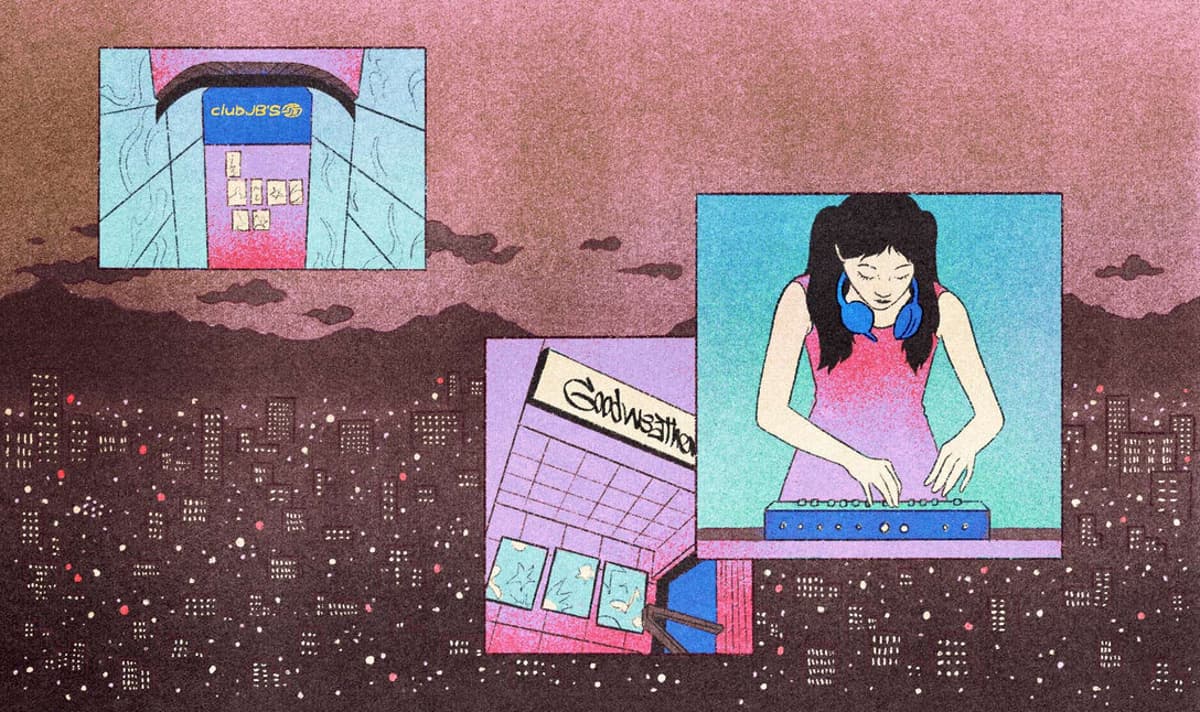
At the heart of the scene are purpose‑built spaces that prioritize sonic fidelity and community. GOODWEATHER’s acoustically engineered club, the legacy of Club Daughter, and the weekly Hybrid Bass Freq party create a dense network of venues where bass‑heavy, ambient, and experimental acts converge. These hubs foster cross‑pollination: hip‑hop beatmakers mingle with punk guitarists, while ambient producers find audiences in intimate live‑house settings. Such fluid interaction fuels a hybrid aesthetic that defies genre boundaries, making Nagoya a laboratory for innovative production techniques and live performance formats.
Looking forward, the momentum generated by the compilation is translating into concrete releases and label initiatives. Abentis plans to launch his 2++ imprint, aiming to issue solo records for every compilation participant within three years, while veteran organizer Sotaro Fujiwara prepares to open Cane Cane, a dedicated music‑merchandise store. Coupled with the city’s strategic centrality—offering swift train links to Toyota, Gifu, and beyond—Nagoya is poised to evolve from an overlooked node into a pivotal conduit for Japanese electronic music, attracting both domestic talent and international curators.
Nagoya’s Electronic Scene Is Hiding in Plain Sight
Comments
Want to join the conversation?
Loading comments...