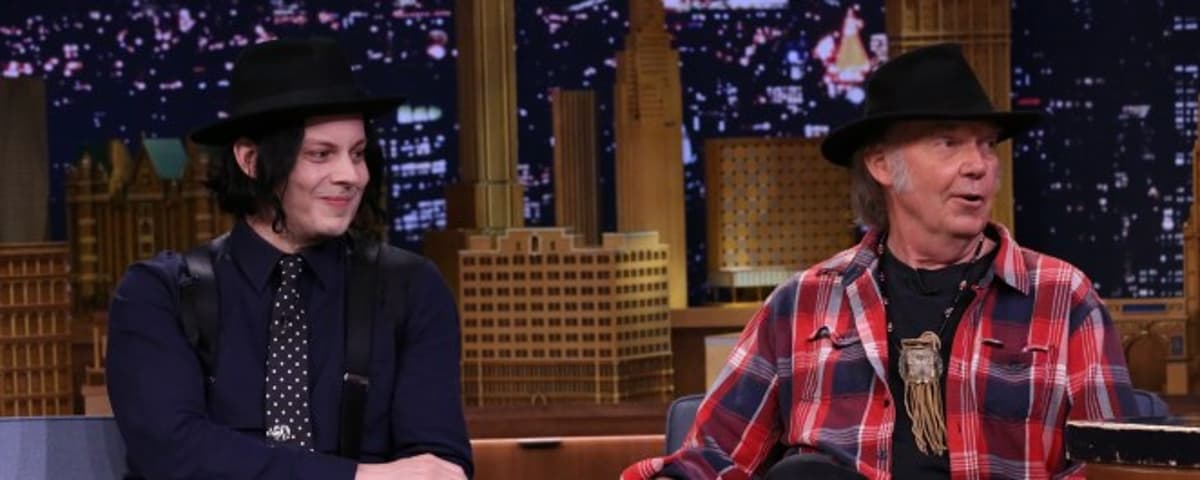
Neil Young and Jack White Stripped These Two Willie Nelson Classics Back to Their Roots
Why It Matters
The stripped‑back renditions showcase how legacy songs can be revitalized through analog authenticity, offering a template for artists seeking depth over digital sheen. This approach reinforces the commercial appeal of vintage recording techniques in today’s streaming era.
Key Takeaways
- •Young and White co‑produced stripped‑back Willie Nelson covers.
- •“Crazy” recorded using White’s vintage Voice‑O‑Graph booth.
- •“On the Road Again” retains minimal piano and harmonies.
- •Album showcases analog recording ethos at Third Man Records.
- •Covers highlight Nelson’s enduring influence across genres.
Pulse Analysis
Neil Young’s thirty‑third studio effort, *A Letter Home*, is a joint production with Jack White that leans heavily on analog craftsmanship. Recorded at White’s Nashville‑based Third Man Records, the sessions were captured on vintage tape using the label’s reconstructed 1947 Voice‑O‑Graph booth, a nod to mid‑century recording practices. This low‑tech environment forces both musicians to focus on performance nuance, stripping away digital polish. The partnership merges Young’s folk‑rock sensibility with White’s garage‑blues aesthetic, creating a soundscape that feels both timeless and deliberately raw.
The album’s two Willie Nelson selections—“Crazy” and “On the Road Again”—exemplify the minimalist approach. “Crazy” is rendered with only harmonica and acoustic guitar, while “On the Road Again” adds sparse piano and subtle backing vocals from White. By reducing the arrangements to their skeletal cores, Young and White let the songwriting shine, reminding listeners of Nelson’s original emotional directness. This treatment not only pays homage to the country legend but also re‑contextualizes his work for a new generation that values authenticity over production gloss.
Young and White’s project arrives amid a broader industry trend toward analog revival, as artists seek tactile recording experiences to differentiate in a streaming‑dominated market. The use of the Voice‑O‑Graph booth underscores a growing fascination with physical media and vintage gear, appealing to collectors and audiophiles alike. For record labels, such collaborations demonstrate a viable commercial model: limited‑run vinyl, exclusive sessions, and cross‑genre storytelling can generate buzz and drive sales beyond conventional digital releases.
Neil Young and Jack White Stripped These Two Willie Nelson Classics Back to Their Roots
Comments
Want to join the conversation?
Loading comments...