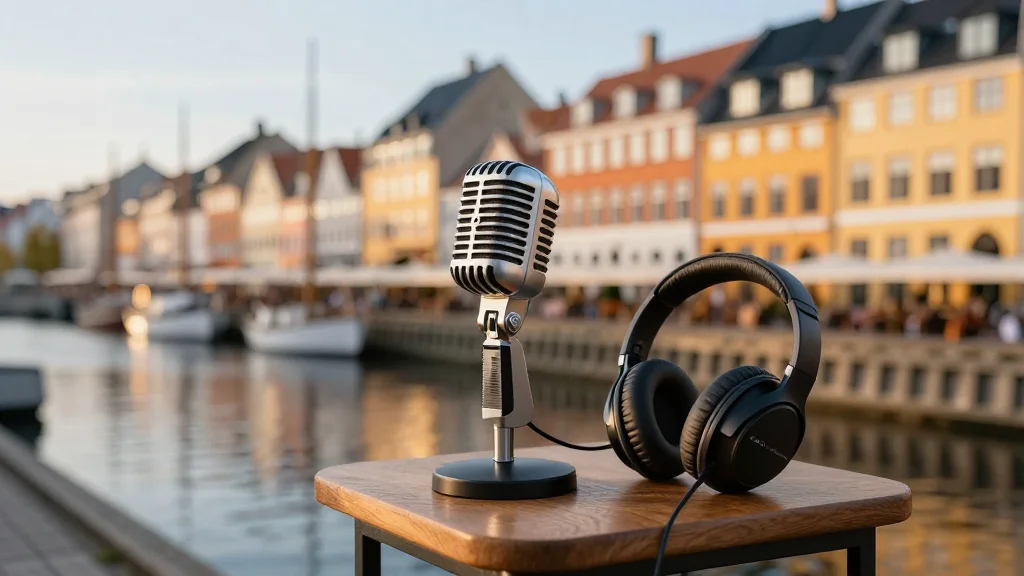
NewJeans' Copenhagen Pre‑Production Fuels Comeback Speculation

Why It Matters
The Copenhagen pre‑production update is more than a routine promotional teaser; it reflects how K‑pop groups can navigate creative development amid legal turbulence. NewJeans' potential comeback will test the resilience of a brand that has already reshaped global pop aesthetics, while also offering a case study in how agencies manage artist disputes without eroding fan loyalty. If the group proceeds with a new release, it could signal a shift toward more internationally oriented production processes, leveraging European creative hubs to differentiate future concepts. Conversely, prolonged uncertainty may highlight the fragility of artist‑agency relationships in an industry where contractual rigidity often clashes with global market demands.
Key Takeaways
- •ADOR confirms NewJeans' pre‑production activities in Copenhagen, Denmark.
- •The move is linked to a new musical direction but no official comeback date is set.
- •Legal dispute: ADOR has filed a ~43.1 billion won ($30 million) damages lawsuit related to contract issues.
- •Lineup uncertainty persists; Hanni, Haerin, Hyein confirmed, Minji's status undecided.
- •Fans and analysts view Copenhagen as a strategic creative choice aligning with the group's minimalist brand.
Pulse Analysis
NewJeans' Copenhagen pre‑production underscores a growing trend among K‑pop acts to seek creative inspiration outside South Korea, mirroring the global expansion strategies of Western pop stars. By situating the group in a city renowned for its design ethos, ADOR may be attempting to craft a visual narrative that differentiates the next release from the saturated K‑pop market, potentially appealing to a broader, design‑savvy audience.
Historically, K‑pop comebacks have been tightly choreographed around domestic studios and local producers. The decision to pivot to a European setting could signal a shift toward hybrid production models, where agencies blend domestic songwriting with international visual direction. This approach may also serve as a diplomatic gesture, positioning the group as a cultural bridge amid ongoing legal disputes, thereby preserving fan goodwill while the courtroom battles continue.
Looking forward, the outcome of NewJeans' legal saga will likely influence how other agencies structure contracts with globally active artists. A successful comeback after Copenhagen could validate a more flexible, artist‑centric model, encouraging agencies to grant greater creative autonomy. Conversely, if legal constraints stall the project, it may reinforce the status quo of stringent agency control. Either scenario will shape the strategic calculus for K‑pop labels navigating the delicate balance between commercial ambition and contractual enforcement.
NewJeans' Copenhagen Pre‑Production Fuels Comeback Speculation
Comments
Want to join the conversation?
Loading comments...