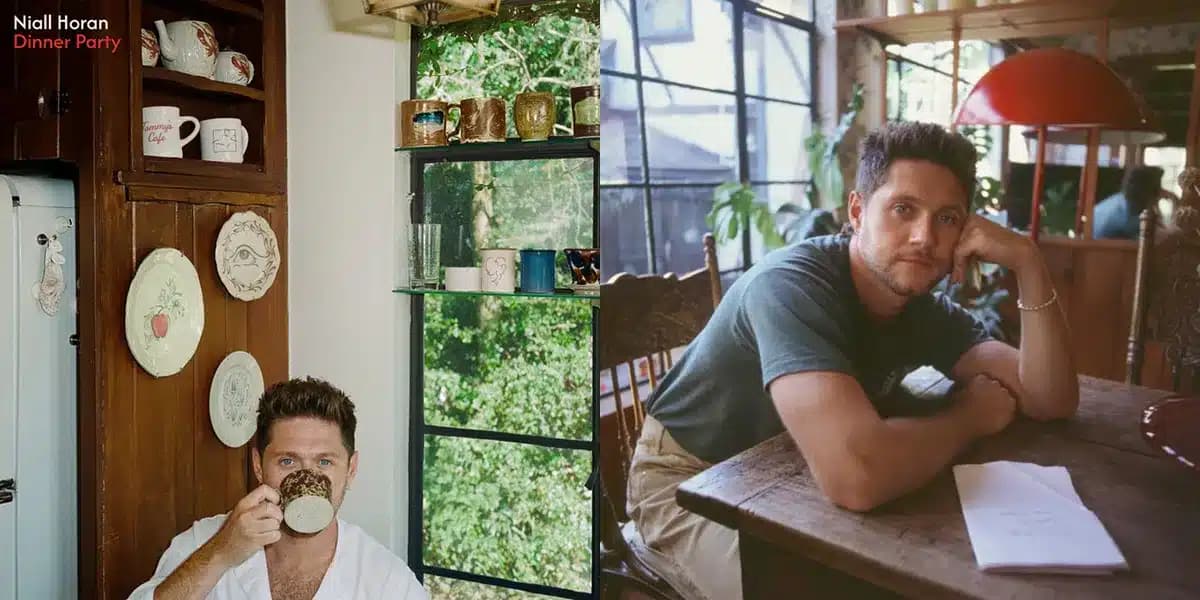
Niall Horan Serves a Familiar Dish on ‘Dinner Party’
Why It Matters
The album illustrates how legacy boy‑band fame can be monetized through personal storytelling, reinforcing fan loyalty in a streaming‑driven market. Its genre blend and nostalgic references also signal broader trends in pop artists leveraging heritage sounds to stay relevant.
Key Takeaways
- •Horan blends Irish folk and country on his fourth solo album
- •Album title track recounts meeting partner Amelia Woolley, adding personal depth
- •Producer John Ryan returns, maintaining One Direction‑era songwriting structure
- •‘End of an Era’ mourns late bandmate Liam Payne, resonating with fans
- •Dinner Party relies on familiar choruses, risking lack of solo artistic growth
Pulse Analysis
One Direction’s emergence at the crossroads of reality TV and early social media reshaped how music acts build audiences. Their fanbase, cultivated through Instagram, Twitter and Tumblr, proved that online communities could drive record sales and concert revenue. Horan, who rode that wave, now leverages the same digital intimacy on Dinner Party, offering fans a behind‑the‑scenes glimpse that feels like a continuation of the band’s communal narrative.
Musically, Dinner Party fuses country‑pop production with Irish folk instrumentation, most notably the accordion on “Die If I Don’t.” This hybrid approach mirrors a broader industry shift where legacy artists tap regional sounds to differentiate in a saturated streaming market. John Ryan’s involvement ensures the album retains the polished, hook‑laden structure that defined One Direction’s hits, but critics argue the reliance on group‑style choruses limits Horan’s solo artistic evolution. Tracks like “Little More Time” and “End of an Era” showcase personal lyricism, yet the sonic palette often feels like a repackaged boy‑band formula.
From a business perspective, Dinner Party capitalizes on Horan’s established brand equity, converting nostalgia into streaming numbers and merchandise sales. By embedding personal milestones—such as his relationship with Amelia Woolley—into the album, he deepens fan engagement, encouraging repeat listens and social sharing. The tribute to Liam Payne also taps into collective mourning, driving organic buzz. While the record may not break new artistic ground, its strategic blend of familiar hooks, cultural references, and personal storytelling exemplifies how former boy‑band members can sustain relevance and revenue in today’s music economy.
Niall Horan Serves a Familiar Dish on ‘Dinner Party’
Comments
Want to join the conversation?
Loading comments...