Why It Matters
The boom signals a shift in music consumption toward localized, genre‑blending live experiences, offering artists new revenue streams and reinforcing cultural identity in a digital‑dominated market.
Key Takeaways
- •Blodklubb club night expanded to Bergen and Copenhagen, driving scene growth.
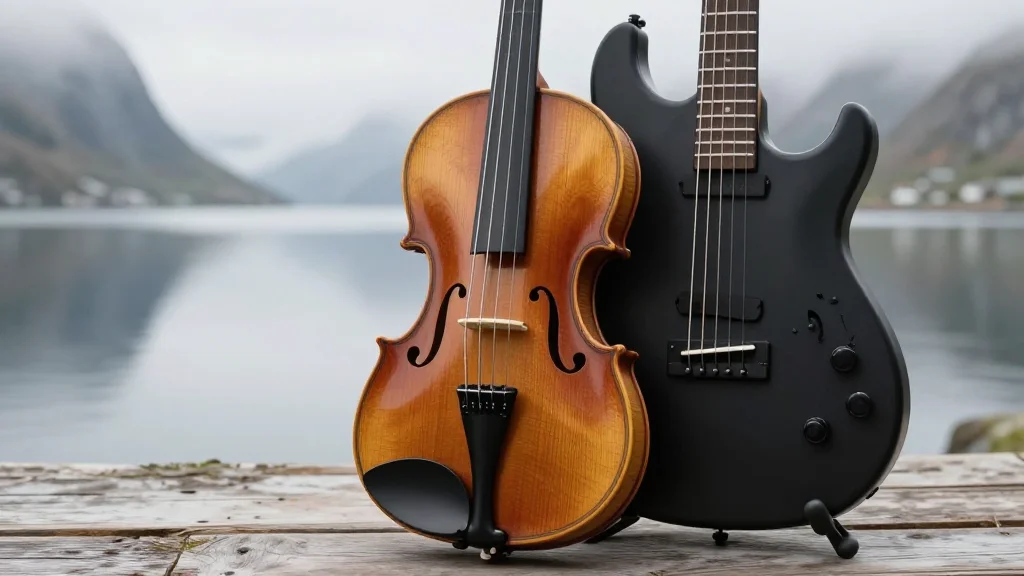
- •Bands fuse Hardanger fiddle with rock, hip‑hop, and African rhythms.
- •Labels ta:lik and Supertraditional nurture alt‑trad artists across Norway.
- •Audience seeks authentic, offline community amid streaming fatigue.
- •Folk revival counters nationalist appropriation, emphasizing inclusivity.
Pulse Analysis
The Norwegian alt‑trad surge mirrors a global appetite for music that feels rooted yet forward‑looking. By marrying centuries‑old Hardanger fiddle techniques with contemporary production—ranging from trap‑style beats to West African percussion—artists create a soundscape that appeals to both heritage enthusiasts and younger listeners craving novelty. This hybridization not only revitalizes forgotten repertoires but also positions Norway as a laboratory for genre‑fluid experimentation, attracting festival programmers and streaming curators seeking fresh narratives beyond mainstream pop.
At the heart of the movement are DIY venues and niche labels that prioritize community over commercial polish. Blodklubb’s monthly folk‑only nights have become cultural hubs, spawning satellite events in Bergen and Copenhagen and fostering a network where musicians and fans mingle without the mediation of algorithms. Labels like ta:lik and Supertraditional provide flexible release models, allowing bands to test new arrangements live before committing to recordings. This grassroots infrastructure counters the algorithmic gatekeeping of platforms such as Spotify, offering artists sustainable income through ticket sales, merch, and direct fan support.
Beyond economics, the folk revival carries a subtle political charge. In an era where nationalist rhetoric seeks to co‑opt traditional symbols, Norwegian musicians deliberately frame folk music as inclusive, emphasizing shared human experiences over exclusionary identity. By foregrounding collaborative performances and multilingual lyrics, they craft a cultural bulwark against right‑wing appropriation. As streaming fatigue grows, the scene’s emphasis on tactile, communal experiences suggests a durable model for other regions where heritage music can be reimagined for the digital age.
Norway’s Trad Folk Scene is Booming
Comments
Want to join the conversation?
Loading comments...