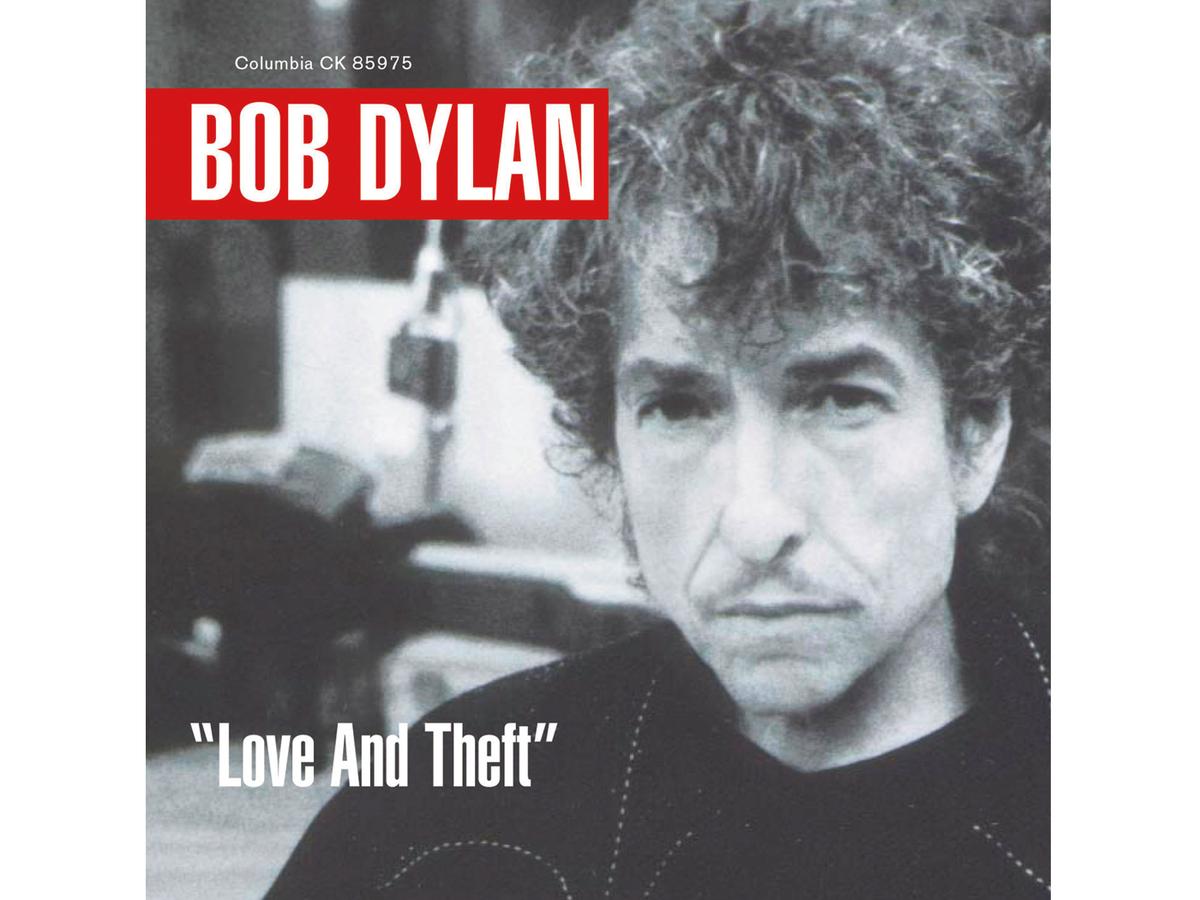
On “Love And Theft”, Bob Dylan Riffs Through Styles, Voices and Selves with Mischievous Ease
Why It Matters
The album demonstrates that a legacy artist can stay culturally relevant by blending nostalgia with fresh humor, influencing how veteran musicians approach later‑stage creativity. It also reshapes critical narratives around aging rock icons, highlighting commercial and artistic viability beyond the peak years.
Key Takeaways
- •Dylan blends blues, rockabilly, and crooner styles on Love and Theft.
- •Album showcases Dylan’s aging voice as a playful, self‑referential instrument.
- •Tracks reference his early Basement Tapes era while mocking his own myth.
- •Critics view L&T as a potential equal to Time Out of Mind.
Pulse Analysis
When *Love and Theft* arrived in 2001, Bob Dylan was already a towering figure in rock folklore, yet the record felt like a surprise party for his own catalog. Drawing from the American Songbook, early 20th‑century jazz, and the gritty textures of the *Basement Tapes*, Dylan assembled a sonic collage that feels both retro and startlingly fresh. The production, anchored by his long‑time touring band, leans into loose, live‑room energy, allowing his famously cracked timbre to become a narrative device rather than a limitation.
Lyrically, the album is a masterclass in self‑referential storytelling. Songs such as “Tweedle Dee” and “Honest With Me” weave cryptic nods to political moments, personal mythmaking, and the inevitable march of time. Dylan’s humor surfaces in sly double‑entendres and playful allusions, turning the record into a conversational dialogue with listeners who have followed his evolution for decades. This blend of earnestness and irony underscores a broader theme: aging artists can harness their legacy as a creative springboard rather than a shackling weight.
Industry observers note that *Love and Theft* set a precedent for veteran musicians seeking relevance without sacrificing authenticity. By marrying historical musical forms with contemporary sensibility, Dylan opened a pathway for artists to revisit their roots while courting new audiences. The album’s critical resurgence has sparked renewed interest in catalog reissues and inspired younger songwriters to experiment with genre‑bending pastiches, reinforcing Dylan’s enduring influence on the modern music marketplace.
On “Love And Theft”, Bob Dylan riffs through styles, voices and selves with mischievous ease
Comments
Want to join the conversation?
Loading comments...