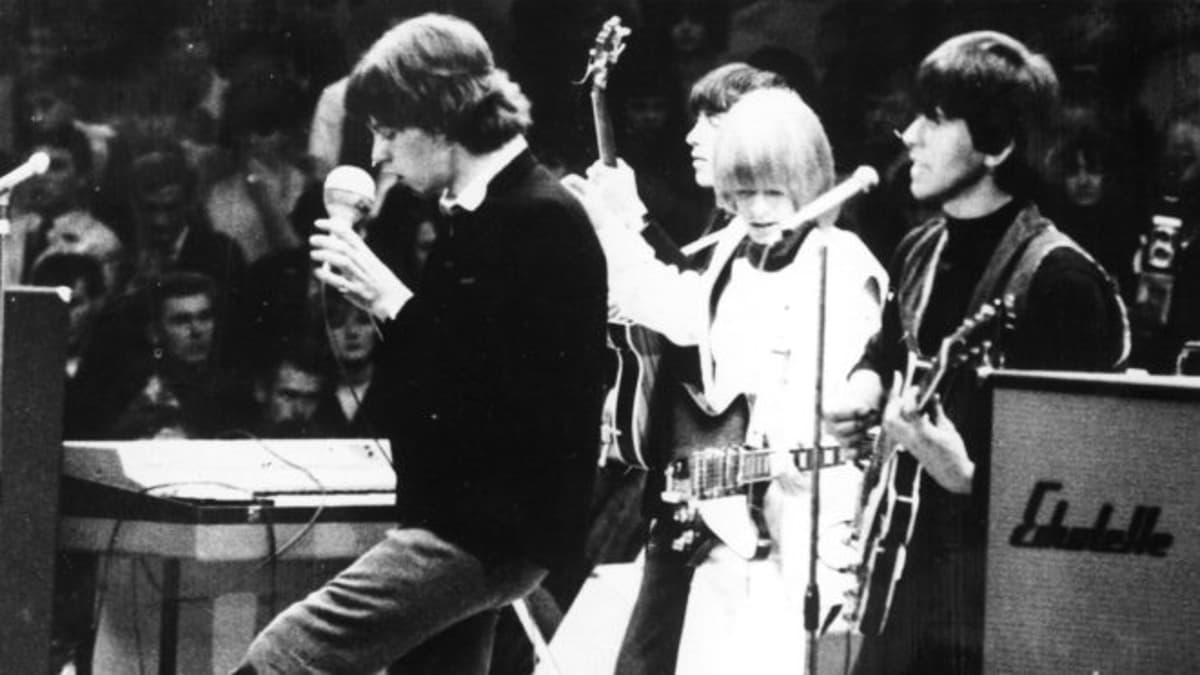
On This Day in 1965, The Rolling Stones Inspired the Greatest Southern Rock Band in History on Their First US Tour: “His Ticket to the Big Time”
Why It Matters
The story highlights how a single live performance can reshape an artist’s trajectory and seed an entire musical subgenre, underscoring the enduring influence of iconic rock acts on future generations.
Key Takeaways
- •Rolling Stones' 1965 Jacksonville concert sparked Ronnie Van Zant's music career
- •Van Zant was drawn to the frontman's fan appeal, not just sound
- •The experience motivated him to leave athletics and pursue rock
- •Lynyrd Skynyrd's 1973 debut album cemented Southern rock legacy
- •The concert illustrates how live shows can launch future music icons
Pulse Analysis
The Rolling Stones’ 1965 Jacksonville stop is more than a footnote in rock history; it serves as a vivid example of how live performances can ignite career-defining epiphanies. At a time when the British Invasion was reshaping American tastes, the Stones’ raw energy and Jagger’s magnetic stagecraft offered a template for showmanship that resonated far beyond the immediate audience. For Ronnie Van Zant, a teenager with athletic ambitions, the concert provided a visceral lesson: the power of a frontman to command fan devotion can translate into a viable path out of poverty and into cultural relevance.
Van Zant’s pivot from sports to music illustrates a broader pattern where iconic acts inspire the next wave of talent. By witnessing the crowd’s reaction—particularly the fervor of female fans—he recognized that charisma could outweigh musical complexity in building a lasting brand. This insight informed Lynyrd Skynyrd’s own identity, blending Southern storytelling with a hard‑rock swagger that echoed the Stones while carving a distinct niche. Their 1973 debut, "Pronounced ‘Lĕh‑nérd Skin‑nérd'," quickly became a cornerstone of Southern rock, proving that the influence of a single concert can ripple through decades of genre evolution.
The legacy of that night underscores the economic and cultural stakes of live music. For emerging artists, a high‑profile show can serve as a launchpad, attracting industry attention and fan bases that translate into record sales, touring revenue, and merchandising opportunities. In today’s streaming‑driven market, the visceral experience of a concert remains a potent catalyst for artist discovery and brand building. The Rolling Stones’ 1965 performance thus stands as a case study in how iconic live events can seed new movements, shape career trajectories, and generate lasting commercial impact.
On This Day in 1965, The Rolling Stones Inspired the Greatest Southern Rock Band in History on Their First US Tour: “His Ticket to the Big Time”
Comments
Want to join the conversation?
Loading comments...