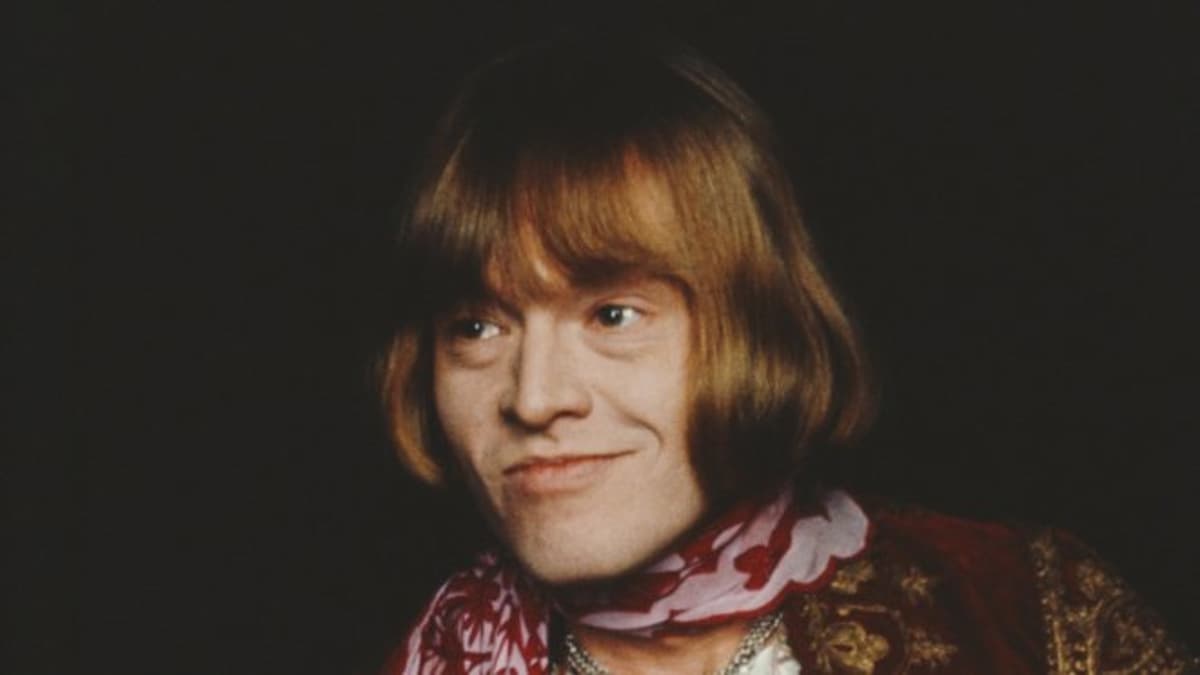
On This Day in 1968, the Rolling Stones Played Their Final Show With Their Founding Guitarist
Why It Matters
Jones’ exit reshaped the Stones’ creative hierarchy, accelerating their evolution from blues‑rooted ensemble to global rock powerhouse. Understanding his role clarifies the band’s artistic trajectory and the broader 1960s music landscape.
Key Takeaways
- •Brian Jones performed his last show at Wembley on May 12, 1968.
- •Jones contributed slide guitar, sitar, and multiple instruments to early Stones recordings.
- •Personal conflicts and substance abuse led to Jones' departure in June 1969.
- •His death a year later cemented his legacy as a founding visionary.
Pulse Analysis
The May 12, 1968 NME Pollwinners’ Concert captured a turning point in rock history. While the Rolling Stones accepted the Best R&B Group award, they delivered a brief two‑song set that would become Brian Jones’ swan song. At the Empire Pool, the band’s early blues‑infused identity was still evident, but the stage also foreshadowed an imminent power shift toward Mick Jagger and Keith Richards, whose songwriting partnership would soon dominate the group’s direction.
Beyond his role as guitarist, Jones was a prolific multi‑instrumentalist whose contributions expanded the Stones’ sonic palette. He layered slide guitar on tracks like “Little Red Rooster,” introduced sitar on “Paint It Black,” and added obscure instruments—from harpsichord to saxophone—across the debut albums. This eclecticism helped the group stand out in the British Invasion, embedding a blues foundation while experimenting with emerging psychedelic textures. Jones’ musical curiosity set a precedent for later rock innovators who blended genre boundaries.
Jones’ departure in June 1969, driven by personal turmoil and substance abuse, marked the end of the band’s original collaborative ethos. His exit cleared the path for Jagger and Richards to assume creative control, steering the Stones toward a more commercial, stadium‑rock trajectory that defined the 1970s. Yet his influence endures; modern musicians cite his instrumental versatility as a template for artistic breadth. Recognizing Jones’ contributions provides a fuller picture of how internal dynamics can reshape a legendary act’s legacy and the evolution of popular music.
On This Day in 1968, the Rolling Stones Played Their Final Show With Their Founding Guitarist
Comments
Want to join the conversation?
Loading comments...