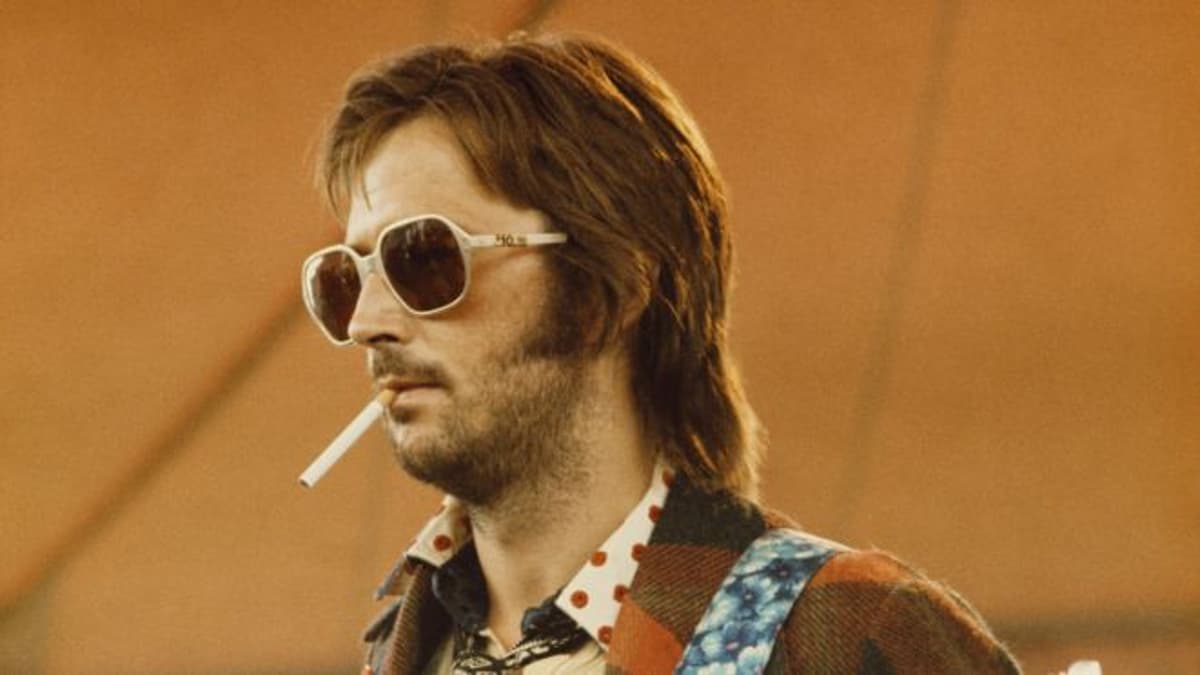
On This Day in 1974, Eric Clapton Reluctantly Recorded the Only US No. 1 of His Career (Inadvertently Infuriating Bob Marley)
Why It Matters
Clapton’s crossover success accelerated reggae’s mainstream acceptance in the United States, illustrating the power of genre‑blending hits to shift cultural exposure and industry dynamics.
Key Takeaways
- •Clapton's 1974 cover hit No. 1 on Billboard Hot 100.
- •It remains Clapton’s sole U.S. chart‑topping single.
- •The version popularized reggae among mainstream American listeners.
- •Bob Marley felt the cover eclipsed his own releases in Jamaica.
Pulse Analysis
In the early 1970s, rock icons were eager to experiment beyond their established sounds, and Eric Clapton’s decision to reinterpret Bob Marley’s “I Shot the Sheriff” epitomized that trend. While Clapton was already a household name from Yardbirds, Cream, and solo hits like “Layla,” the reggae‑infused track represented a calculated risk: merging his blues guitar with a Caribbean rhythm. The gamble paid off, propelling the single to the top of the Billboard Hot 100 and granting Clapton his sole U.S. number‑one, a milestone that underscored the commercial viability of cross‑genre collaborations.
The cover’s success had ripple effects far beyond chart positions. By broadcasting reggae’s core melody through a rock lens, the song introduced millions of American listeners to a style previously confined to niche markets. Radio stations that might have ignored a pure reggae track now embraced Clapton’s version, inadvertently acting as a gateway to the genre. This exposure laid groundwork for later mainstream breakthroughs by artists such as The Police and later hip‑hop samplings, cementing reggae’s place in the global pop consciousness. Meanwhile, Bob Marley’s frustration highlighted a recurring industry tension: original creators often see their work eclipsed when reinterpreted by more commercially powerful peers.
Decades later, the episode remains a case study in how strategic covers can reshape musical trajectories. Modern artists continue to borrow from disparate genres, recognizing that a well‑executed reinterpretation can broaden audiences and generate new revenue streams. However, the Marley‑Clapton saga also serves as a cautionary tale about equitable promotion; ensuring that original creators receive visibility alongside successful covers is now a focal point for streaming platforms and record labels. Ultimately, the 1974 hit illustrates the delicate balance between artistic homage and commercial dominance, a dynamic that still defines the music industry today.
On This Day in 1974, Eric Clapton Reluctantly Recorded the Only US No. 1 of His Career (Inadvertently Infuriating Bob Marley)
Comments
Want to join the conversation?
Loading comments...