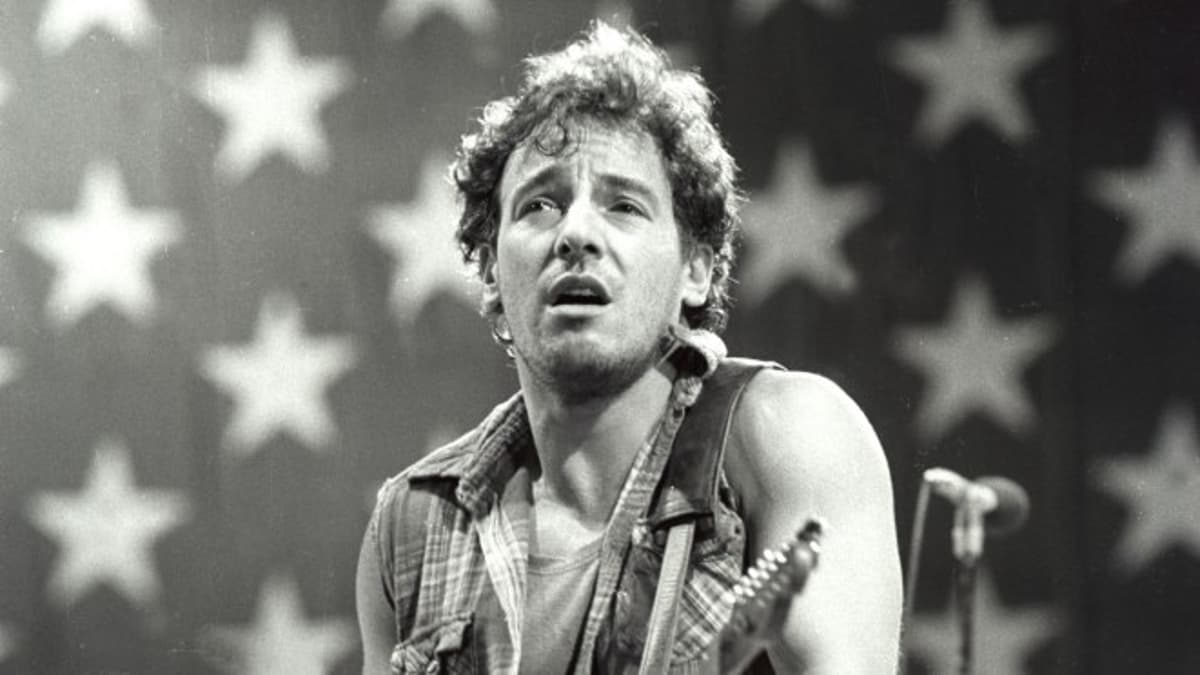
On This Day in 1984, Bruce Springsteen Released the Album That Made Him a Global Pop Superstar
Companies Mentioned
Why It Matters
The album proved that a rock icon could dominate mainstream pop, reshaping 1980s music marketing and expanding the commercial potential for legacy artists. Its success opened doors for cross‑genre experimentation and larger touring revenues across the industry.
Key Takeaways
- •Born in the U.S.A. produced seven top‑10 singles
- •Album shifted Springsteen from heartland rock to synth‑pop
- •Tour sold out arenas, expanding his global audience
- •Remix collaborations showed willingness to embrace dance trends
- •Album cemented Springsteen as a mainstream pop star
Pulse Analysis
When *Born in the U.S.A.* hit shelves in 1984, it did more than add another record to Bruce Springsteen’s catalog—it redefined the commercial playbook for rock veterans. By marrying his signature storytelling with glossy synth production, the album tapped into the era’s appetite for radio‑friendly pop while preserving lyrical depth. This hybrid approach drove the record to multi‑platinum status, with seven singles cracking the top ten, a feat that underscored the power of strategic genre crossover in the 1980s music market.
The album’s impact rippled beyond sales charts, influencing how artists approached touring and brand extensions. Springsteen’s arena‑wide tour, packed with sold‑out shows, demonstrated that a rock act could command the same stadium scale traditionally reserved for pop megastars. The financial windfall enabled broader charitable giving and personal investments, illustrating how a single breakthrough can reshape an artist’s economic landscape. Moreover, the decision to release dance remixes of tracks like “Dancing in the Dark” signaled an early recognition of remix culture as a promotional tool, a tactic now standard in music marketing.
Decades later, *Born in the U.S.A.* remains a case study in brand evolution. It proved that authenticity need not be sacrificed for mass appeal; Springsteen retained his working‑class narrative while embracing a polished sound. The album’s legacy informs today’s legacy acts seeking relevance—showcasing that thoughtful stylistic pivots, strategic collaborations, and expansive touring can rejuvenate a career and secure a lasting place in pop culture. This lesson continues to guide industry executives navigating the balance between artistic integrity and commercial viability.
On This Day in 1984, Bruce Springsteen Released the Album That Made Him a Global Pop Superstar
Comments
Want to join the conversation?
Loading comments...