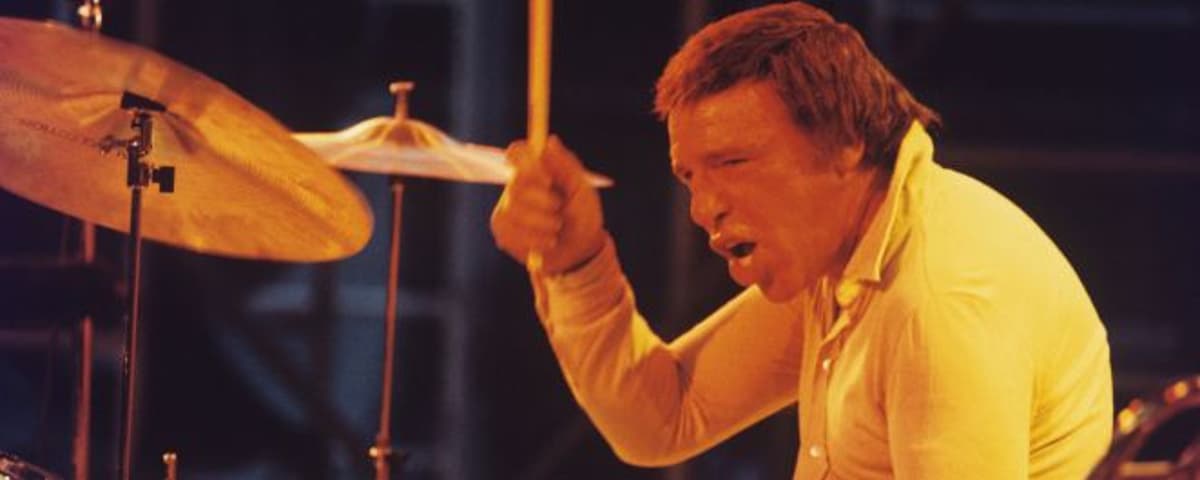
On This Day in 1987, We Lost One of the Greatest Jazz Drummers of All Time, Who Worked With Frank Sinatra, Ella Fitzgerald, and Louis Armstrong
Why It Matters
Rich’s virtuosity redefined drum leadership, shaping modern percussion standards and influencing generations of rock and jazz musicians, making his legacy a commercial and educational asset for the music industry.
Key Takeaways
- •Buddy Rich died April 2, 1987, age 69.
- •Started performing at 18 months; Broadway headliner by age 4.
- •Played with Sinatra, Fitzgerald, Armstrong; led his own big band.
- •Nicknamed ‘real quarterback of the band’ for drumming leadership.
- •Influenced rock drummers; praised by Phil Collins in 2016.
Pulse Analysis
Buddy Rich’s story reads like a Hollywood script, yet it is rooted in the gritty reality of early‑20th‑century American entertainment. Born Bernard Rich to vaudevillian parents in Brooklyn in 1917, he took his first stage steps at 18 months and was headlining Broadway by age four, earning the nickname “Baby Traps the Drum Wonder.” After a brief stint in the U.S. Marines, Rich entered the jazz circuit in 1937, quickly securing gigs with Joe Marsala, Artie Shaw and Count Basie, establishing himself as a premier swing‑era drummer.
What set Rich apart was a combination of blistering speed and theatrical flair that re‑defined the drummer’s role. He famously called himself the “real quarterback of the band,” insisting the drummer should direct tempo and dynamics. His 1966 big‑band recordings, especially the “West Side Story” medley, showcased intricate arrangements that blended jazz improvisation with rock energy, inspiring drummers from Keith Moon to Phil Collins. Collins’ 2016 BBC 6 Music interview highlighted Rich’s technical precision, cementing his status as a cross‑genre benchmark.
Today, Rich’s influence permeates music education, drum manufacturers, and the vintage‑record market. His extensive discography—over 30 albums—continues to generate streaming revenue and serves as a teaching tool for advanced rudiment development. Endorsements of drum hardware bearing his name still appear in catalogs, translating his legacy into commercial value. Remembering his April 2, 1987 passing underscores how a single performer can shape industry standards, reinforcing the importance of preserving artistic heritage for future generations of musicians and business stakeholders.
On This Day in 1987, We Lost One of the Greatest Jazz Drummers of All Time, Who Worked With Frank Sinatra, Ella Fitzgerald, and Louis Armstrong
Comments
Want to join the conversation?
Loading comments...