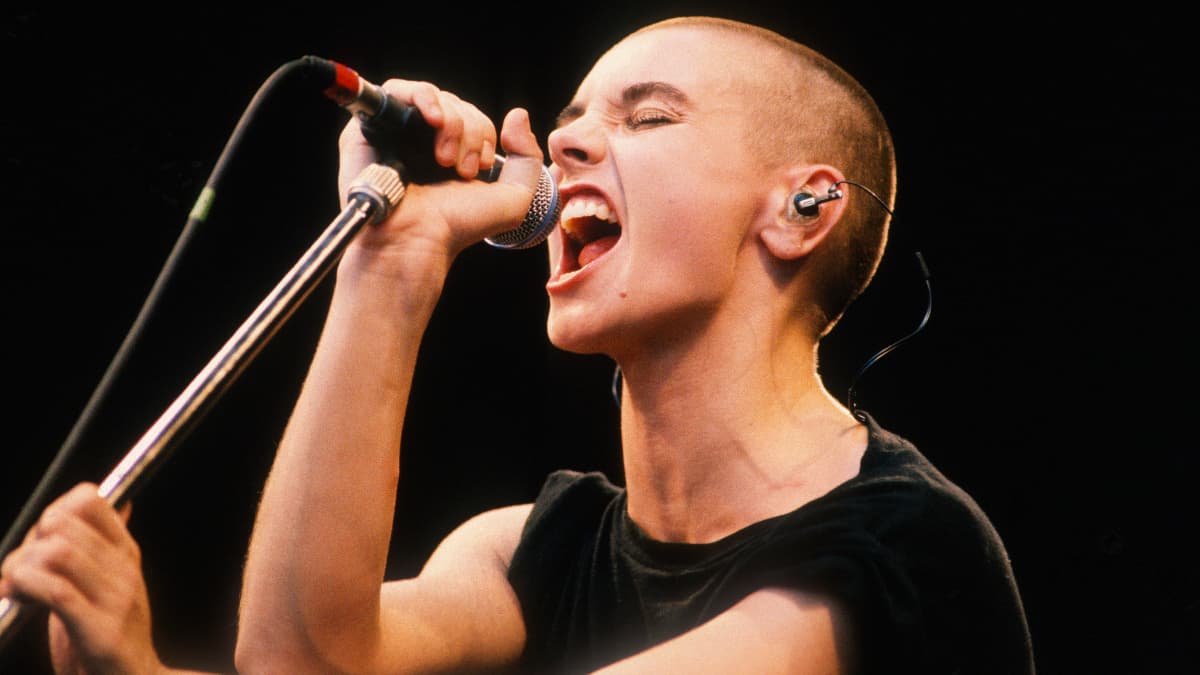
On This Day in 1990, Sinéad O’Connor Hit No. 1 With a Prince Cover 26 Years to the Day Before His Death
Why It Matters
The cover demonstrated how a powerful reinterpretation can revive a dormant composition, driving long‑term royalties and reinforcing the commercial value of music publishing rights.
Key Takeaways
- •Sinéad’s 1990 cover topped Billboard Hot 100
- •Prince’s original never charted as a single
- •Critics were split, but public embraced the version
- •Song still streams heavily a decade after both artists died
Pulse Analysis
Prince first introduced “Nothing Compares 2 U” on the 1985 album *The Family*, where it lingered as an album track with minimal exposure. When Sinéad O’Connor recorded the song for her 1990 album *I Do Not Want What I Haven’t Got*, she delivered a single‑take vocal that amplified the track’s melancholy, propelling it to the top of the Billboard Hot 100. The chart‑topping success illustrated how a reinterpretation can transform a modest composition into a worldwide anthem, generating new publishing revenue for the original songwriter.
The emotional intensity of O’Connor’s version sparked a polarized critical response—some dismissed it as overly sentimental, while others praised its honesty. Regardless, the public connection was undeniable; the music video’s tear‑filled performance became an early example of visual storytelling driving song longevity. Decades later, the track continues to dominate streaming playlists, regularly appearing in top‑40 retro charts and generating consistent royalty streams for Prince’s estate, underscoring the enduring commercial power of a well‑executed cover.
In a broader industry context, the O’Connor‑Prince case highlights a lucrative pathway for rights holders: leveraging iconic songs through fresh artist interpretations. Modern publishers routinely commission covers to rejuvenate catalog value, tapping into nostalgia while reaching new demographics. The sustained popularity of “Nothing Compares 2 U” demonstrates how strategic re‑releases can extend a song’s lifecycle, benefiting songwriters, estates, and record labels alike, and reinforcing the importance of adaptable licensing strategies in today’s music economy.
On This Day in 1990, Sinéad O’Connor Hit No. 1 With a Prince Cover 26 Years to the Day Before His Death
Comments
Want to join the conversation?
Loading comments...