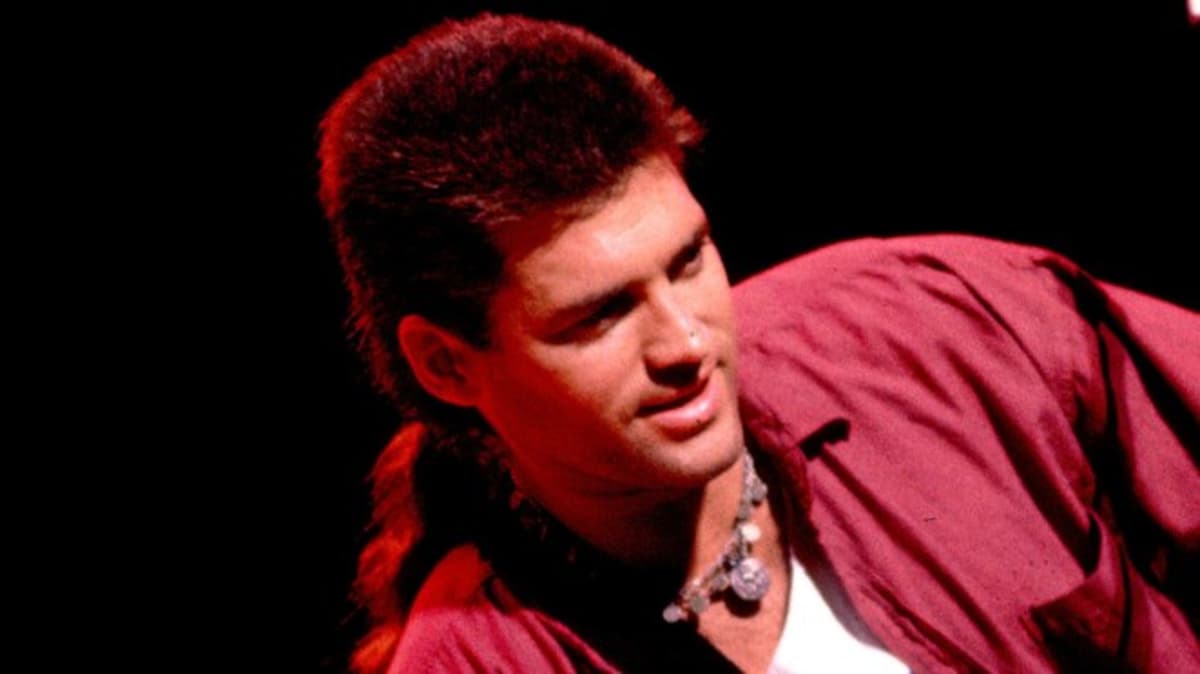
On This Day in 1992, Billy Ray Cyrus Was at No. 1 With a Cover That Became a Cultural Touchstone and Sparked a Public Feud
Why It Matters
The hit demonstrated how a novelty crossover can reshape genre boundaries, driving commercial strategy and cultural trends in country music.
Key Takeaways
- •Achy Breaky Heart spent five weeks at No. 1 on Country chart
- •Song reached No. 4 on Billboard Hot 100, crossing into pop
- •First country single to earn Platinum status since 1983
- •Popularized line dancing, influencing 1990s country bar culture
- •Public feud with Travis Tritt highlighted genre authenticity debates
Pulse Analysis
When “Achy Breaky Heart” burst onto the airwaves in 1992, it did more than dominate the country charts—it broke through to mainstream pop, climbing to No. 4 on the Billboard Hot 100. The five‑week reign at the top of Hot Country Songs and its Platinum certification marked the first such achievement for a country single since the early 1980s, signaling that a catchy, dance‑ready tune could capture a broad audience. The song’s simple, repetitive hook and its accompanying line‑dance video turned nightclubs and bar floors into nationwide choreography hubs, cementing a cultural moment that still resurfaces in retro playlists.
Beyond the immediate buzz, “Achy Breaky Heart” opened the door for a new wave of pop‑leaning country artists. Executives took note that crossover appeal could translate into massive sales, paving the way for acts like Faith Hill and Shania Twain to dominate both country and pop radio in the mid‑1990s. The track’s success also foreshadowed later genre‑blending hits, such as Lil Nas X’s “Old Town Road,” which echoed the same blend of country motifs with mainstream beats, showing the lasting influence of Cyrus’s breakout.
The public spat between Cyrus and Travis Tritt highlighted an underlying tension within the industry: the balance between commercial viability and traditionalist credibility. Tritt’s criticism of the song as “frivolous” and his concern over “ass‑wiggling” line dances reflected a broader debate about the direction of country music. Cyrus’s cheeky retort at the American Music Awards underscored how artists use controversy to reinforce brand identity. Such feuds, while personal, often become flashpoints that shape audience perception and inform future marketing strategies, illustrating how cultural moments extend beyond charts into the very narrative of a genre.
On This Day in 1992, Billy Ray Cyrus Was at No. 1 With a Cover That Became a Cultural Touchstone and Sparked a Public Feud
Comments
Want to join the conversation?
Loading comments...