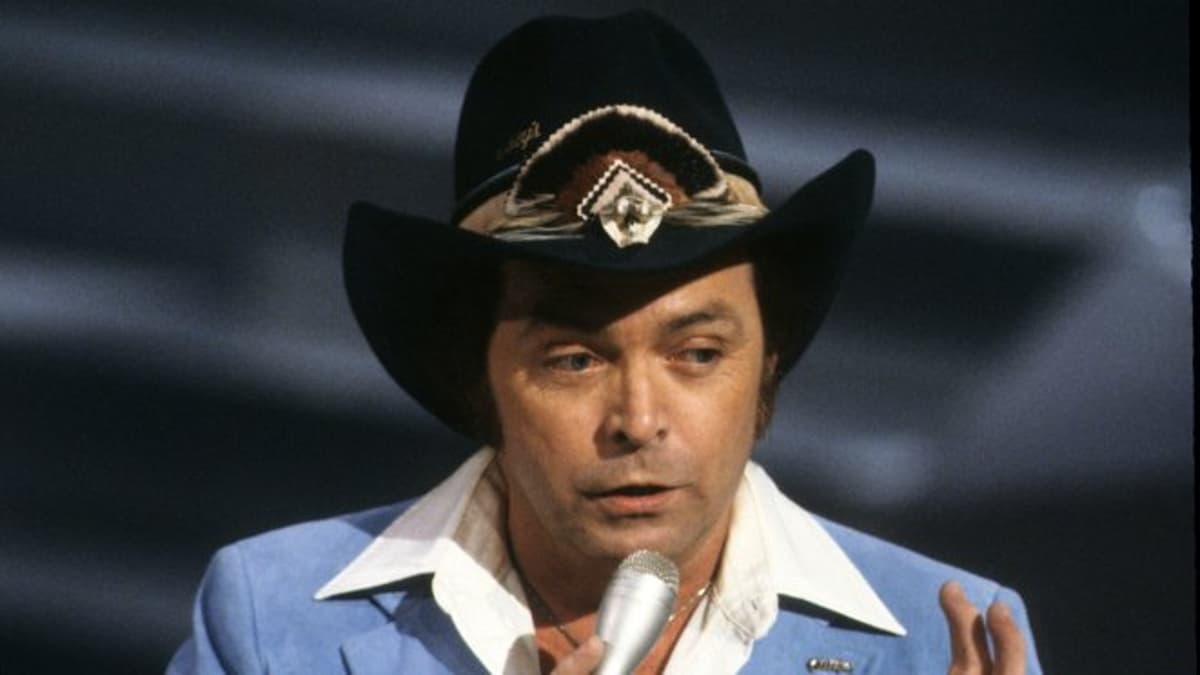
On This Day in 2022, We Said Goodbye to the 70s Country Star and Nightclub Owner Who Inspired a John Travolta Classic
Why It Matters
Gilley’s fusion of music and venue created a template for country‑music entertainment complexes, influencing how artists monetize live experiences. The Urban Cowboy phenomenon broadened country culture’s mainstream appeal, reshaping industry marketing strategies.
Key Takeaways
- •Gilley's nightclub became the world’s largest honky‑tonk
- •Urban Cowboy film spotlighted Gilley’s, boosting country mainstream
- •“Stand by Me” cover hit #22 on Hot 100
- •Added seven No. 1 country singles during the 1980s
- •Relocated to Branson, performing for legacy country fans
Pulse Analysis
Mickey Gilley’s rise from modest Texas gigs to a national country icon illustrates how strategic venue ownership can amplify an artist’s brand. After years of modest chart performance, the 1971 opening of Gilley’s honky‑tonk in Pasadena, Texas, transformed his trajectory. The club’s massive dance floor and mechanical bull attracted top country acts, earning a Guinness World Record and positioning Gilley as both performer and entrepreneur—a dual role that presaged modern music‑venue synergies.
The 1980 release of Urban Cowboy turned Gilley’s into a cultural touchstone, exposing country aesthetics to a mainstream audience. The film’s depiction of western fashion, line dancing, and the club’s atmosphere sparked a nationwide surge in country‑themed nightclubs and retail. Gilley’s own contribution to the soundtrack, a cover of “Stand by Me,” crossed over to the Hot 100, demonstrating the commercial power of film‑music tie‑ins. Industry analysts credit the movie with expanding country music’s demographic reach, prompting record labels to market to urban listeners and fueling the genre’s 1980s boom.
In his later years, Gilley’s move to Branson, Missouri, mirrored a broader migration of legacy country acts to tourism‑driven entertainment hubs. By anchoring his performances in a destination known for live music, he sustained revenue streams long after his chart dominance waned. Gilley’s legacy offers a blueprint for today’s artists: leverage venue ownership, embrace cross‑media storytelling, and adapt to evolving audience geographies to extend career longevity.
On This Day in 2022, We Said Goodbye to the 70s Country Star and Nightclub Owner Who Inspired a John Travolta Classic
Comments
Want to join the conversation?
Loading comments...