Why It Matters
The acclaimed staging demonstrates how innovative direction and design can revitalize classic operas, attracting broader audiences and strengthening ticket revenue for major houses. It signals a growing appetite for culturally authentic yet modernized productions in the global opera market.
Key Takeaways
- •Holten's staging highlights authentic Russian social context
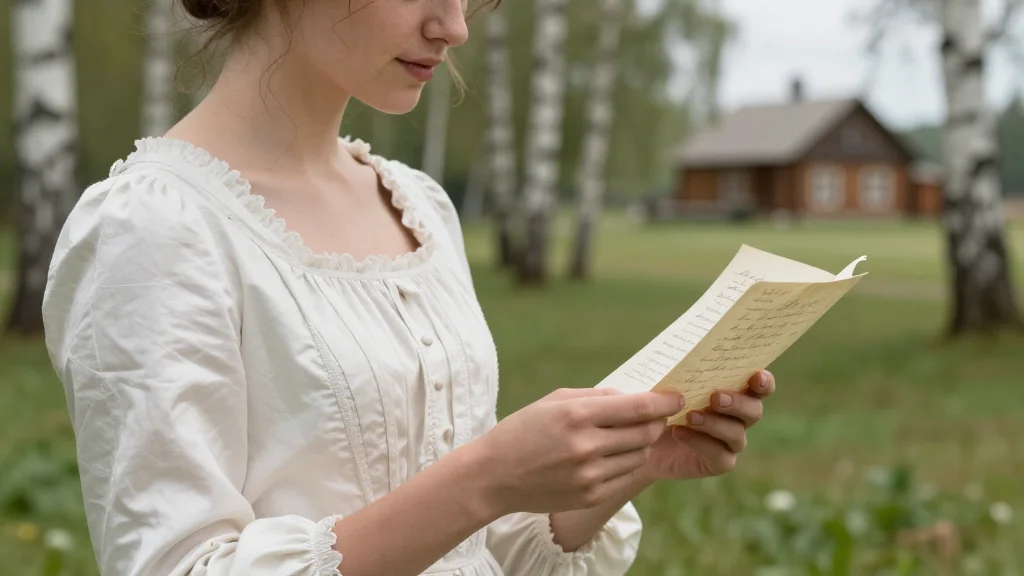
- •Fagan's Tatyana delivers emotionally resonant Letter Scene
- •Chorus balances field work vocals, enhancing agrarian realism
- •Skryleva's debut conducts clear, nuanced Tchaikovsky orchestration
- •Costume and lighting design use stark palette for focus
Pulse Analysis
Tchaikovsky’s Eugene Onegin has long struggled to find a foothold in Western opera houses, often eclipsed by his symphonic and ballet fame. The work’s subtle drama and lack of overt spectacle demand a production that can translate its 19th‑century Russian sensibilities for modern audiences. Opera Australia’s 2026 revival meets this challenge by grounding the narrative in a realistic agrarian world, using off‑stage choruses and field‑work scenes to evoke the era’s rhythms. This approach not only honors Pushkin’s source material but also offers a fresh visual language that resonates with today’s theatergoers.
The artistic team’s choices—Kasper Holten’s direction, Mia Stensgaard’s restrained sets, and Katrina Lindsay’s muted costumes—create a stark visual palette that directs focus to the music and character psychology. By limiting decorative excess, the production amplifies Tchaikovsky’s lyrical orchestration, allowing singers like Lauren Fagan and Andrei Bondarenko to inhabit their roles with emotional clarity. The chorus’s seamless integration, moving from off‑stage fields into the household, reinforces the social hierarchy central to the story, while the choreography subtly references Tchaikovsky’s ballet heritage, enriching the operatic experience.
From a business perspective, the production’s critical success underscores a viable model for opera companies seeking to balance artistic integrity with audience expansion. By presenting a culturally authentic yet accessible version of a lesser‑known masterpiece, Opera Australia demonstrates that strategic artistic risk can translate into stronger box‑office performance and heightened brand relevance. Other houses may follow suit, investing in productions that blend historical fidelity with contemporary staging techniques to capture both traditional patrons and new, younger demographics.
Opera Australia 2026 Review: Eugene Onegin
Comments
Want to join the conversation?
Loading comments...